
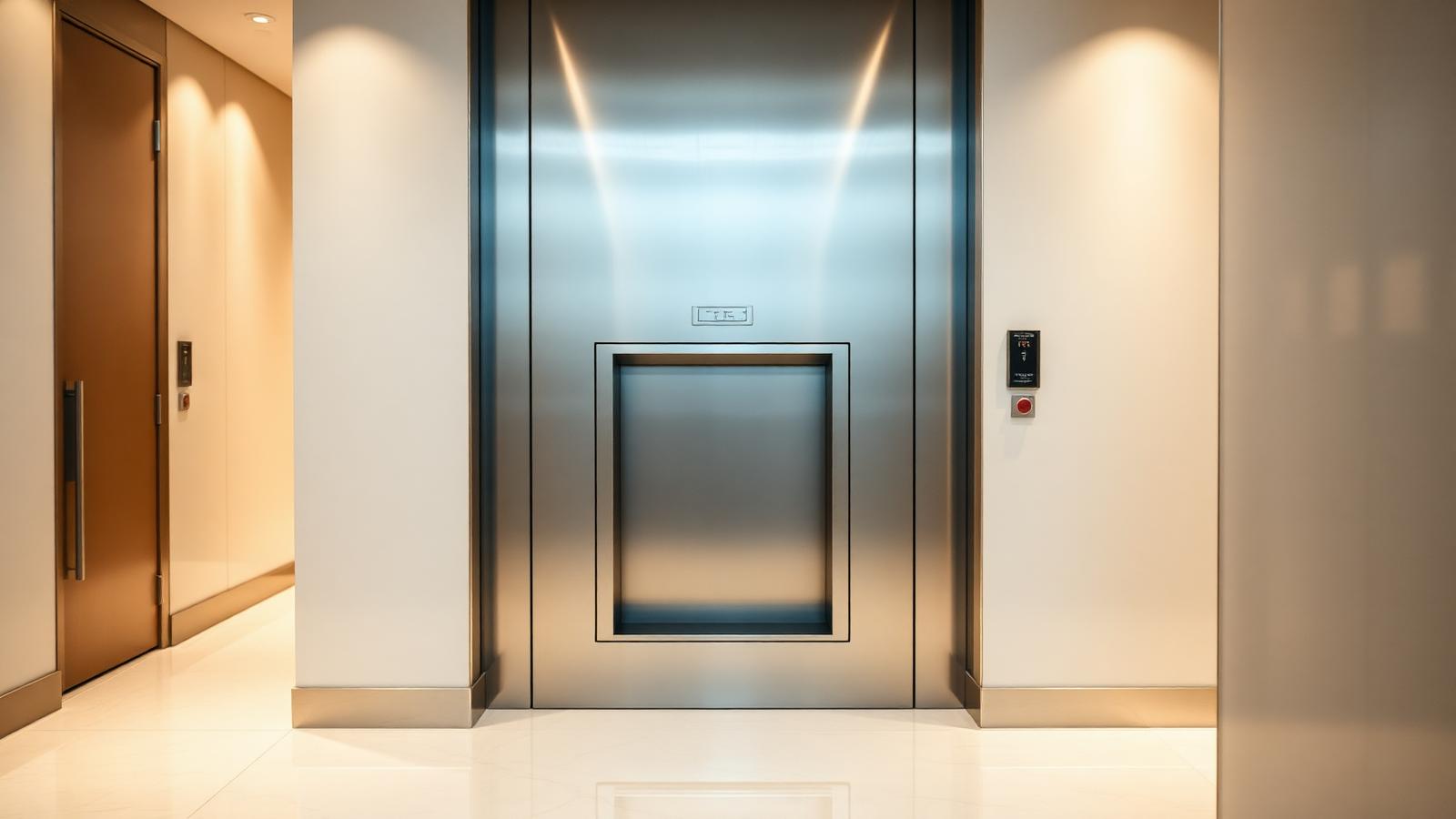
Picture this: it's a mid-August Friday in a 40-story tower on the Upper East Side. The compactor crew came through Wednesday. The chute was pressure-washed last month. And yet residents on floors 12, 18, and 27 have all emailed the property manager about the same smell in the hallway near the trash room. The board meeting is Tuesday. The pressure-wash vendor is being blamed. Nobody is looking at the actual chute.
Is your chute dirty, or is the chute doing exactly what a clean chute does when it's untreated? Should you be cleaning more often, or is cleaning frequency the wrong lever entirely? And why does the smell always come back within a week or two, no matter what?
At Luften, we design continuous trash chute odor programs for luxury multifamily properties across Manhattan, Brooklyn, Queens, Jersey City, and the tri-state. It can be tricky to know whether the answer is more cleaning, better cleaning, or a different approach altogether, but there is a right answer for your building — and it almost never involves adding another pressure-wash to the calendar.
To help you understand what actually drives trash chute odor in luxury buildings, we'll cover the chemistry of what happens inside a chute between cleanings, why pressure-washing is a reset rather than a solution, how continuous 24/7 dosing differs from scheduled cleaning, and what a properly designed automated program looks like on a real high-rise. By the end, you'll be able to evaluate any chute odor proposal on its mechanism.
What Actually Happens Inside a Trash Chute Trash chutes are warm, dark, moist vertical shafts with a fresh food-waste load every few minutes. That is essentially a laboratory culture chamber for the exact bacteria that produce volatile organic compounds — the smell your residents complain about. Add condensation from summer humidity and a chute door that opens fifty times a day, and the odor doesn't stay in the chute; it puffs into the corridor with every use.
The chute walls themselves become the biggest reservoir. Even after a professional wash, a microscopic film of organic residue and bacteria remains, and within days the population is back to baseline. The chute isn't smelling because it's dirty in the visible sense; it's smelling because it's biologically active twenty-four hours a day.
Pressure-Washing vs. Continuous Treatment Pressure-washing removes the visible layer and resets the clock. For about seventy-two hours, the chute is genuinely clean. Then residents throw bags into it, condensation returns, and the biological process starts over. The pressure-wash didn't fail; it just isn't a treatment — it's a scheduled reset.
Continuous treatment is a different category of intervention. A dosing system installed above the top chute door releases a fine, food-safe deodorizing mist on a programmed schedule, twenty-four hours a day. The mist coats the chute walls, treats the air column, and neutralizes odor compounds as they form rather than after they've saturated the shaft. The right question isn't "how often should we clean the chute?" — it's "what is happening in the chute during the twenty-nine days between cleanings?"
Fragrance Masking vs. Encapsulation Chemistry Not every "odor control" product does the same work. Retail aerosols and plug-in fresheners release a competing fragrance and hope it overpowers the smell. In a luxury building, that reads immediately as cheap — and worse, the mixed smell of fragrance-plus-garbage is usually the actual complaint on the resident portal.
Encapsulation chemistry works differently. The active molecule surrounds each odor compound and neutralizes it, so there is nothing left to smell. Delivered as a low-concentration mist, it doesn't perfume the corridor; it removes the reason the corridor smells. Any product whose active ingredient is fragrance is masking; any product whose active ingredient encapsulates is treating.
What a Real 24/7 Program Looks Like A well-designed chute program has three components: a dosing unit installed at the top of the chute, a discreet secondary unit in the trash room or compactor room at the base, and a service cadence where a technician visits monthly to refill, inspect, and adjust. There's no equipment inside resident-facing spaces, no long-term contract, and no capital expenditure.
At Luften we install the system free of charge and offer a trial period, so buildings can evaluate the results on their actual chute before committing. The measure of a real program is that residents stop emailing about the smell — and stop noticing the chute at all.
Choosing the Right Trash Chute Program for Your Building Start with your chute's profile: floors served, compactor location, daily bag count, and whether hallway HVAC returns are anywhere near the chute door. Ask any vendor to explain the mechanism (masking vs. encapsulation), the dosing cadence, and what happens when the unit is due for service. Ask whether the system requires interruption of resident use. Ask for a reference building at similar scale.
The right program is quiet, invisible from the resident's side, backed by a real service visit each month, and something the board stops discussing entirely after ninety days.
We proudly serve luxury apartment buildings, condominiums, and cooperatives throughout Manhattan, Brooklyn, Queens, the Bronx, Staten Island, Jersey City, Long Island City, and surrounding areas. Have a question about your building's chute or want a walk-through of what an installation would look like? Our team is here to help — we'll connect you with a specialist who works with high-rise properties every day.