Corridor carpet and grout
Uric acid residue can settle into carpet fibers, padding, grout, baseboards, and other porous surfaces, then return to the air when humidity rises or the area is mopped.

Discreet odor control for nursing homes, assisted living, and memory care communities across NYC, New Jersey, and the Tri-State.
Urine odor in corridors and resident rooms is not always a sign that staff are failing to clean. Incontinence care creates uric acid residue that can remain in carpet, grout, baseboards, and soft surfaces. Soiled-linen rooms, trash rooms, and drains can add separate odors that travel through the same floor.
For residents and staff, persistent smell affects comfort and dignity. For visiting families, the first walk down a corridor can shape how they perceive cleanliness and care. It can also become a visible concern during building surveys.
Uric acid residue can settle into carpet fibers, padding, grout, baseboards, and other porous surfaces, then return to the air when humidity rises or the area is mopped.
Soiled linen and waste-care materials can create a concentrated source that moves into nearby corridors between housekeeping rounds.
Waste holding areas and their connected air paths can carry odor into resident and common areas when the source is left untreated.
Utility, laundry, dining, and trash-room drains can develop biofilm and recurring odor that ordinary surface cleaning does not reach.
Higher-incident environments need continuous, discreet coverage and fragrance-free chemistry rather than a strong masking scent.
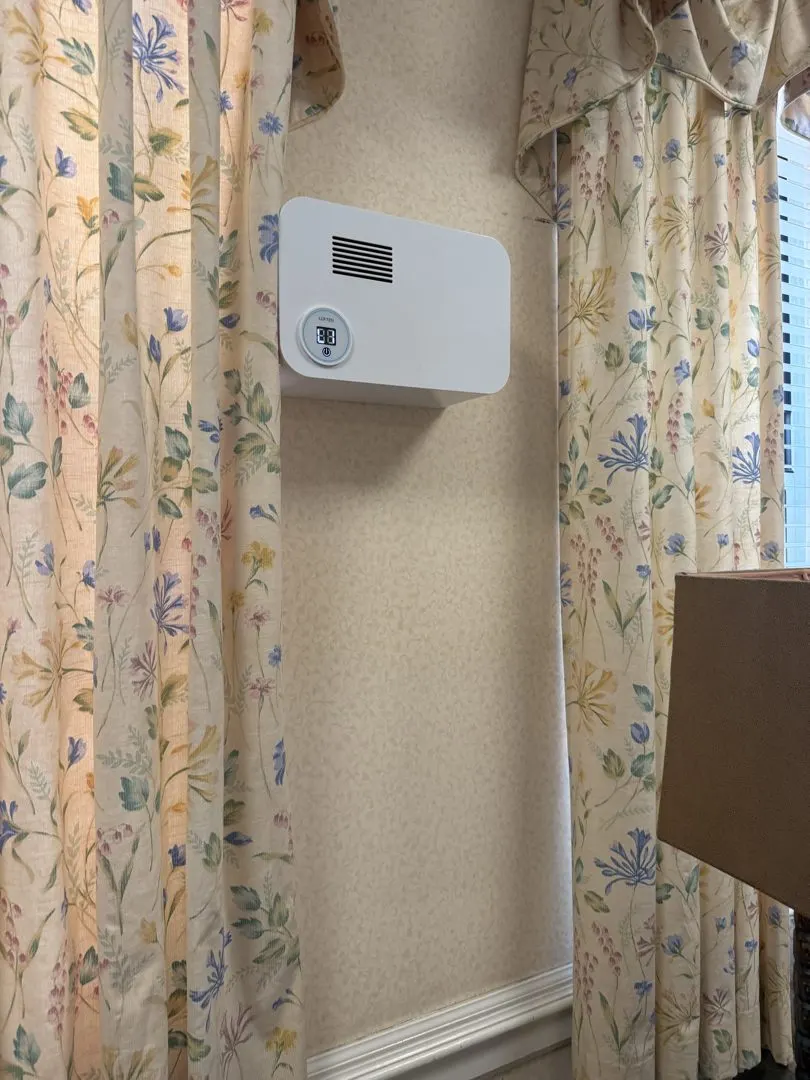
Luften runs a managed monthly service instead of leaving another product for staff to monitor. Aero Machines provide continuous, low-intensity treatment in corridors and common areas. Drain and trash-room treatment addresses connected sources, while documented visits keep the maintenance plan visible.
One Luften program can coordinate corridor odor, drains, soiled utility areas, and waste spaces so the building team works with one vendor instead of several.
How LÜFTEN's AERO air purification system eliminates persistent urine odors at the molecular level — turning a reputation-threatening crisis in nursing homes into fresher hallways, happier residents, and a stronger brand.
Read the case studyHow a nursing home went from monthly basement floods, choked pumps, and constant pump-out trucks to zero backups and a clean ejector pit — by treating the source instead of the symptoms.
Read the case studyAero Machines deployed in corridors and common areas emit dry vapor that bonds with airborne ammonia and uric acid residue. Mopping alone makes the smell worse by rehydrating the crystals.
Continuous Aero Machine deployment plus fragrance-free chemistry to avoid agitation. Avoid any product with a distinct scent.
Yes. The chemistry is hypoallergenic, IFRA-compliant, and used in dialysis centers and oncology floors.
One per ~6,000 sq ft of corridor in most layouts. A 30,000 sq ft floor typically needs 5 units.
Yes. A Luften specialist will visit the building, identify odor sources, and provide a written treatment recommendation at no cost.
Yes. Most odor control programs are available with a 30-day satisfaction guarantee on the first treatment cycle.
A Luften specialist will inspect the building, identify odor sources, and provide a treatment recommendation. Most odor-control programs are available with a 30-day satisfaction guarantee on the first treatment cycle.
We map the garbage room, chute, compactor, drains and lobby, then quote one monthly program. Free walkthrough, free installation, no contract.
Tell us where the smell is. A Luften technician will walk the building — free assessment, no contract required.