
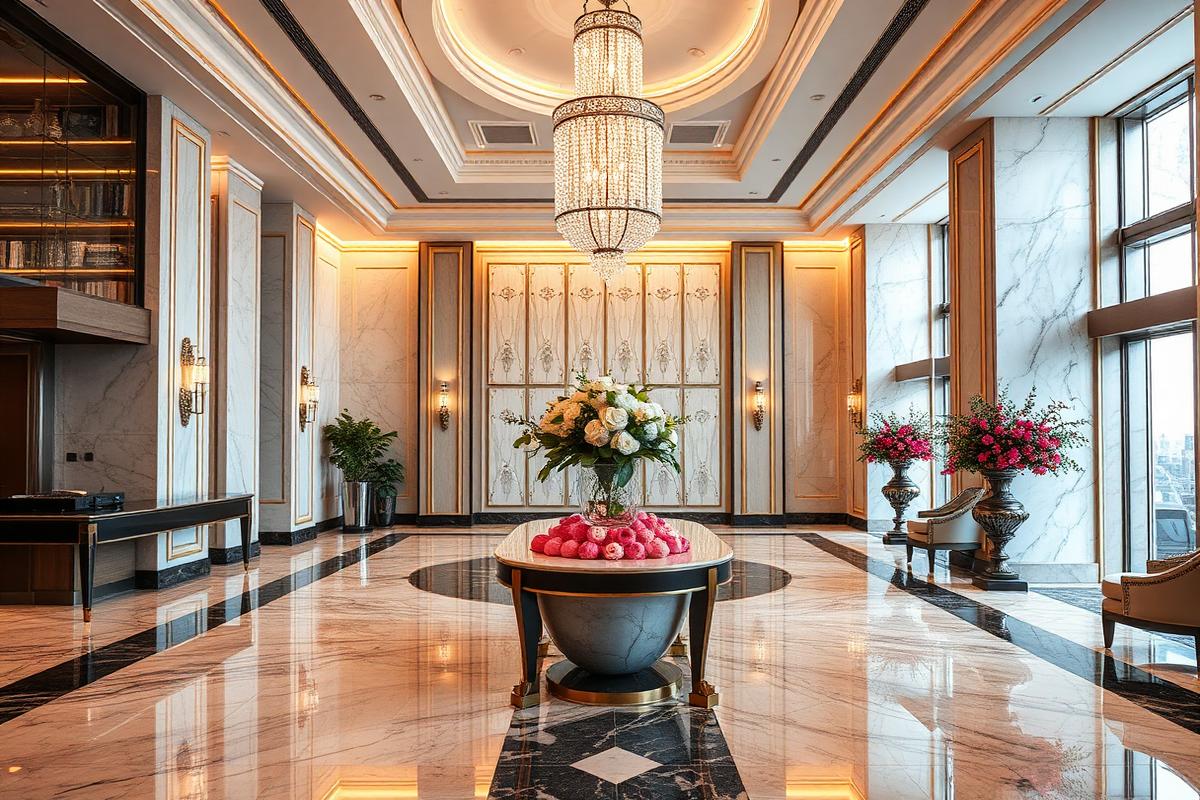
A guest walks through the heavy glass doors of your lobby, escaping the humid exhaust and noise of a mid-July afternoon in Manhattan. As the door closes, the frantic pace of the street is replaced by a cool, curated atmosphere that smells of sandalwood, white tea, and crisp linen. Before they even reach the front desk to check in, their heart rate slows and their perception of your property shifts from a simple building to a luxury sanctuary. This immediate physiological response is not accidental; it is the result of a precisely calibrated ambient system designed to anchor a specific emotional memory to your brand identity.
How does a facility manager move from basic odor masking to a sophisticated sensory branding strategy? Should you prioritize high-traffic common areas or focus on the intimate touchpoints of guest corridors? What is the technical difference between local nebulization and whole-building integration?
At Luften, we design and manage comprehensive scent marketing programs for high-end hospitality environments. It can be tricky to balance fragrance intensity with air exchange rates, but there is a right answer for your specific floor plan.
This guide explores the engineering and psychology behind hospitality scenting, detailing how to select a fragrance profile that aligns with your brand DNA, the technical requirements of HVAC-integrated diffusion, and the critical importance of maintaining baseline air quality to ensure your signature scent remains untainted by facility odors.
Signature Scenting vs. Standard Odor Control
Most facility managers view air quality through the lens of remediation, focusing on how to neutralize malodors coming from back-of-house operations. While essential odor control programs focus on elimination, signature scenting focuses on addition and enhancement. A common mistake in hospitality is attempting to use a premium fragrance to cover up underlying mechanical smells, such as dampness or kitchen exhaust. This typically results in a cloying, heavy atmosphere that guests find off-putting rather than inviting. The primary rule of ambient scenting is that a signature fragrance can only be successful if it is introduced into a neutral environment where biological and chemical odors have already been eradicated. By ensuring your drain odor elimination protocols are current, you create a clean canvas that allows your brand scent to be perceived accurately by the guest's olfactory receptors.
HVAC Integration vs. Standalone Diffusers
When implementing a scent program, you must choose between localized plug-in units and large-scale HVAC scent diffusers that treat the entire air volume of a zone. Standalone units are suitable for small boutiques or targeted areas like a spa reception, but they often create "scent clouds"—pockets of intense fragrance followed by dead zones where the scent is undetectable. In contrast, HVAC integration utilizes the building's existing ductwork to distribute dry-mist fragrance particles evenly across a large floor plate. This method uses cold-air diffusion technology, which breaks down scented oils into micro-particles that stay suspended in the air longer without leaving a residue on furniture or carpets. HVAC-integrated scenting provides the most consistent guest experience because it maintains a steady parts-per-million concentration across every square foot of the lobby.
The Engineering of Olfactory Branding
Selecting a scent is a design decision, but maintaining it is a mechanical one. The scent profile must match the physical materials of your interior—heavy leathers and dark woods pair well with amber and oud, while glass and marble demand lighter, ozonic notes. However, even the most expensive fragrance will fail if the concentration is not adjusted based on the building’s CFM (cubic feet per minute) of airflow. If the airflow is too high, the scent disappears; if it is too low, the fragrance becomes overwhelming. Successful scenting requires a precise calibration of the diffusion cycle to match the specific air exchange rates of your facility throughout different times of the day. In the New York service area, where seasonal humidity fluctuates significantly, these settings must be adjusted to ensure the scent remains light and crisp rather than heavy and damp.
Choosing the Right Scent Strategy for Your Property
Developing a signature scent begins with an audit of your property’s airflow and existing odor challenges. You must first ensure that the "invisible" parts of your facility are not competing with your brand message. A guest who smells a signature scent in the lobby only to encounter the smell of organic decay near the elevators will immediately lose trust in the property's cleanliness. This is why many luxury directors bundle their ambient scenting with rigorous trash chute cleaning and back-of-house maintenance.
Once the baseline is established, focus on the transition points. The goal is not to have the scent follow the guest into their room, where they should have control over their environment, but rather to define the public spaces where the brand lives. A well-executed program uses scent as a silent concierge, welcoming the guest and reinforcing the premium nature of the stay without the guest ever realizing they are being marketed to.
Have a question or need support? Our team is here to help — we'll connect you with the right expert to talk to our team about your facility's needs.