
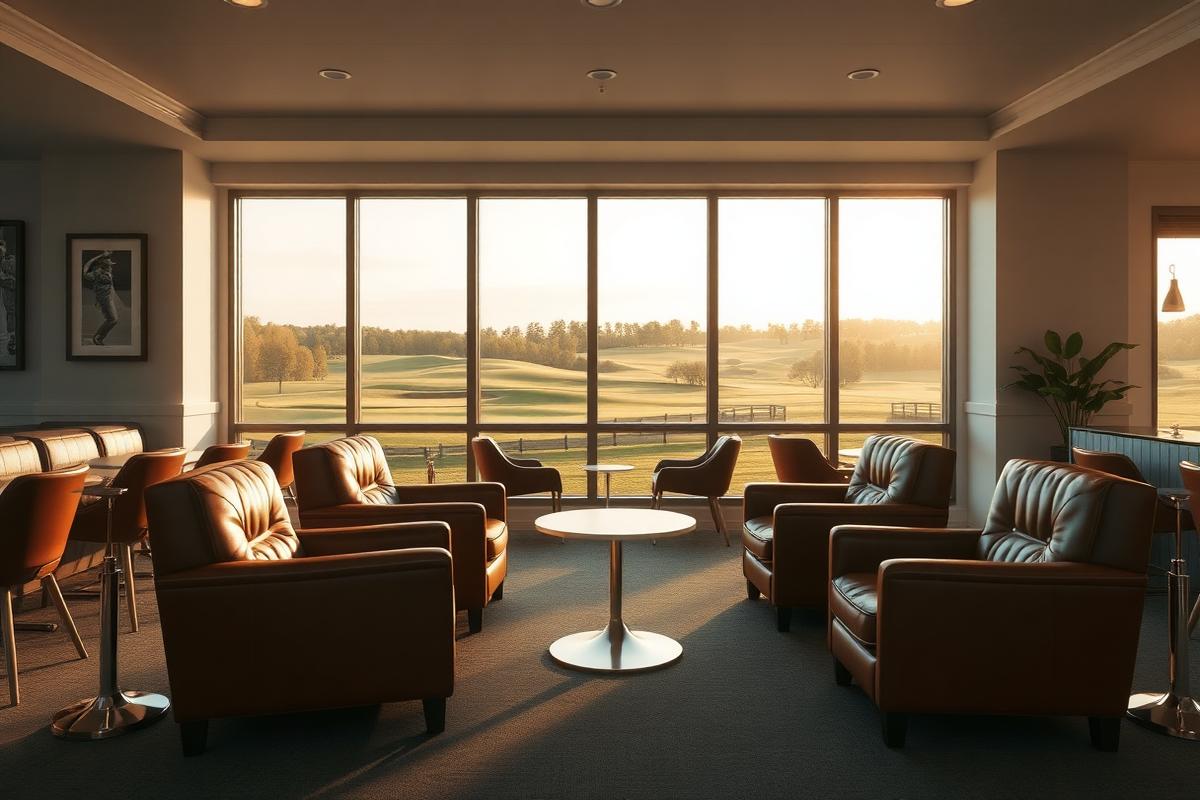
A high-profile product launch is underway in a glass-walled atrium in Manhattan. The lighting is precise, the acoustics are calibrated, and the visual branding is seamless. However, as three hundred guests fill the space, the metallic smell of floor wax from the morning cleaning crew lingers, clashing with the high-end floral arrangements and the sophisticated menu being served. The disconnect is subtle but pervasive, creating a sensory friction that prevents the audience from fully immersing themselves in the environment. Despite the significant investment in decor and lighting, the invisible atmosphere of the room remains unmanaged, leaving the final impression of the brand to chance.
How do you ensure that the scent profile of a space reinforces rather than distracts from the event programming? Should you utilize the existing HVAC infrastructure for a uniform experience, or deploy standalone units for localized sensory zones? Is the goal to create a permanent brand signature or a temporary thematic atmosphere for a specific activation?
At Luften, we run engineered ambient scenting programs for high-traffic venues across the NYC tri-state area. It can be tricky to balance scent intensity with large-scale airflow and varying occupancy levels, but there is a right answer for your specific programming needs.
This guide examines the engineering and strategy behind event space scenting, covering the selection of scent profiles that match brand identity, the technical differences between diffusion methods, and the logistics of managing scent in high-volume environments. By the end of this resource, venue operators will understand how to integrate olfactory elements into their experiential design to increase guest dwell time and strengthen brand recall.
Signature Branding vs. Thematic Scenting
When developing a scent strategy, the first decision is whether the scent should represent the venue itself or the specific event taking place. A signature scent is a consistent olfactory profile that guests associate with the property every time they enter, functioning much like a logo or a color palette. This is typically achieved through a neutral, high-end profile—often featuring notes of white tea, cedar, or light citrus—that conveys cleanliness and professional hospitality without overpowering the senses. A signature venue scent must be versatile enough to remain in the background during a corporate conference while still feeling appropriate for an evening gala.
Conversely, thematic scenting is designed for short-term impact, often tied to a specific product launch or seasonal activation. If a brand is launching a summer-themed collection, the scent profile may lean toward oceanic or tropical notes to transport the guest. The technical challenge here is the transition; once the event ends, the scent must be cleared quickly to prevent cross-contamination with the next booking. Thematic scenting requires precise control over start and stop times to ensure the olfactory experience does not linger into the next day's programming.
Cold-Air Nebulization vs. Traditional Evaporation
The method of delivery is just as critical as the scent itself. Traditional methods like candles, reeds, or heated oils are insufficient for commercial event spaces because they rely on evaporation, which creates uneven concentrations and can alter the chemical profile of the scent as the oil breaks down under heat. Furthermore, these methods do not provide the reach necessary for high ceilings and large square footage. Cold-air nebulization is the industry standard for professional event spaces because it uses filtered air to break down scent oils into a dry mist of nanoparticles that remain suspended in the air for longer periods.
These nanoparticles, typically less than one micron in size, travel through the air without leaving a residue on surfaces, furniture, or expensive technical equipment. Because no heat is involved, the integrity of the scent remains consistent from the moment it leaves the machine until it reaches the guest. Utilizing nebulization technology allows for a uniform scent density throughout the space, preventing the common issue of overpowering pockets near the source and scent-free zones in the corners of the room.
HVAC Integration vs. Standalone Deployment
Deciding how to distribute the scent depends on the venue's layout and the goals of the production. HVAC integration involves connecting a scent delivery system directly to the air handling units, using the existing ductwork to disperse the scent throughout the entire facility. This is the most efficient way to achieve a seamless, invisible experience. HVAC-mediated scenting is ideal for large, open-concept venues where a consistent atmospheric baseline is required across multiple floors or expansive halls.
Standalone units, on the other hand, offer localized control. These portable or wall-mounted systems are better suited for "zoning," where different areas of a venue require different sensory profiles. For example, a producer might want an energized, citrus-forward scent in the registration area to greet guests, but a more calming, sandalwood profile in a VIP lounge. Standalone scenting systems provide the flexibility needed for multi-zone events where the programming dictates different moods in different architectural footprints.
Managing Scent Intensity and Saturation
One of the most common mistakes in venue management is setting a scent intensity that is too high, leading to olfactory fatigue or guest discomfort. The human nose becomes desensitized to a constant smell within roughly 15 to 20 minutes, a phenomenon known as adaptation. To counter this, professional scenting systems are programmed with duty cycles—short bursts of diffusion followed by periods of rest. Properly timed duty cycles maintain a consistent perception of the scent for the guest without over-saturating the air or wasting materials.
Air exchange rates also play a massive role in how a scent performs. A room with a high CADR (Clean Air Delivery Rate) will require more frequent diffusion to maintain the same level of intensity as a room with slower air turnover. Venue operators must calibrate their scenting equipment based on the specific air changes per hour (ACH) of their HVAC system to ensure the scent remains present but subtle throughout the duration of the event.
Neutralization vs. Ambient Scenting
Before a venue can successfully deploy a brand-aligned fragrance, it must first address the baseline air quality of the space. In many urban venues, particularly those in older buildings, ambient odors from plumbing or kitchens can interfere with even the most sophisticated scenting systems. If your facility struggles with odors originating from the building's infrastructure, you may need to prioritize drain odor elimination before layering in an ambient fragrance. The goal of a professional program is never to mask a foul odor with a pleasant one, as this often results in a confusing and unappealing olfactory mixture.
Once the environment is neutral, you can determine if your goal is functional or experiential. Functional scenting often focuses on areas like the back-of-house or restrooms to ensure a consistent standard of cleanliness throughout the event. In these cases, restroom odor control systems use molecular neutralizers that break down malodors at the source rather than simply adding perfume to the air. For the main event floor, however, the strategy shifts toward experiential design, where the scent becomes a silent partner to the visual and auditory elements of the production.
Choosing the Right Scenting Strategy for Your Venue
To select the right program, start by auditing your calendar. If your venue hosts a wide variety of unrelated events, a subtle, high-end signature scent deployed via the HVAC system provides the most professional baseline. If you specialize in immersive brand activations, a fleet of standalone nebulizers will give you the agility to change scents between bookings and create specific sensory zones.
Consider the architectural constraints of your space. High-ceiling lofts and ballrooms require the power of cold-air nebulization to overcome the sheer volume of air, whereas intimate boardrooms or backstage areas may only need small-footprint units. The goal is always to create a scent profile that feels like a natural extension of the environment, not an additive that competes for attention.
Finally, ensure your provider offers a managed service that includes regular calibration. As seasonal temperatures and humidity levels change, the way scent travels through your venue will change as well. A professional program adapts to these variables to keep the atmosphere consistent year-round.
Have a question or need support? Our team is here to help — we'll connect you with the right expert.