
Odor Control Tips by Category
40 in-depth tip guides — 400+ tactics across trash, pits, restrooms, hotels, kitchens, HVAC, and more.
How Odor Control Actually Works — The Science
The four odor-control mechanisms — masking, absorption, neutralization, oxidation — and how to pick the right one for H₂S, urine, cannabis, grease, and ambient odor.
10 tips →
HVAC & Ventilation Fundamentals
Airflow, filters, negative pressure, stack effect — fix the ventilation first and you've solved half the odor problem before any chemistry runs.
10 tips →
Trash Chute Odor Control
Chutes act like chimneys and push odor onto every floor. Treat at the intake, seal the doors, and dose the discharge — proven tactics from luxury high-rises.
10 tips →
Trash Room & Waste Room Odor Control
Continuous dispensing, negative pressure, gasketed doors, primed drains — the operational playbook for a trash room that never migrates odor to the corridor.
10 tips →Trash Compactor Odor Control
Leachate is what actually stinks, not the trash. Weatherproof dispensing, hydraulic-seal checks, and fogging tactics that hold up in every season.
10 tips →
Dumpster & Loading Dock Odor
The loading dock is the first impression of back-of-house. Fogging, pad rinsing, pickup cadence, and placement rules that keep dumpsters odor-free.
10 tips →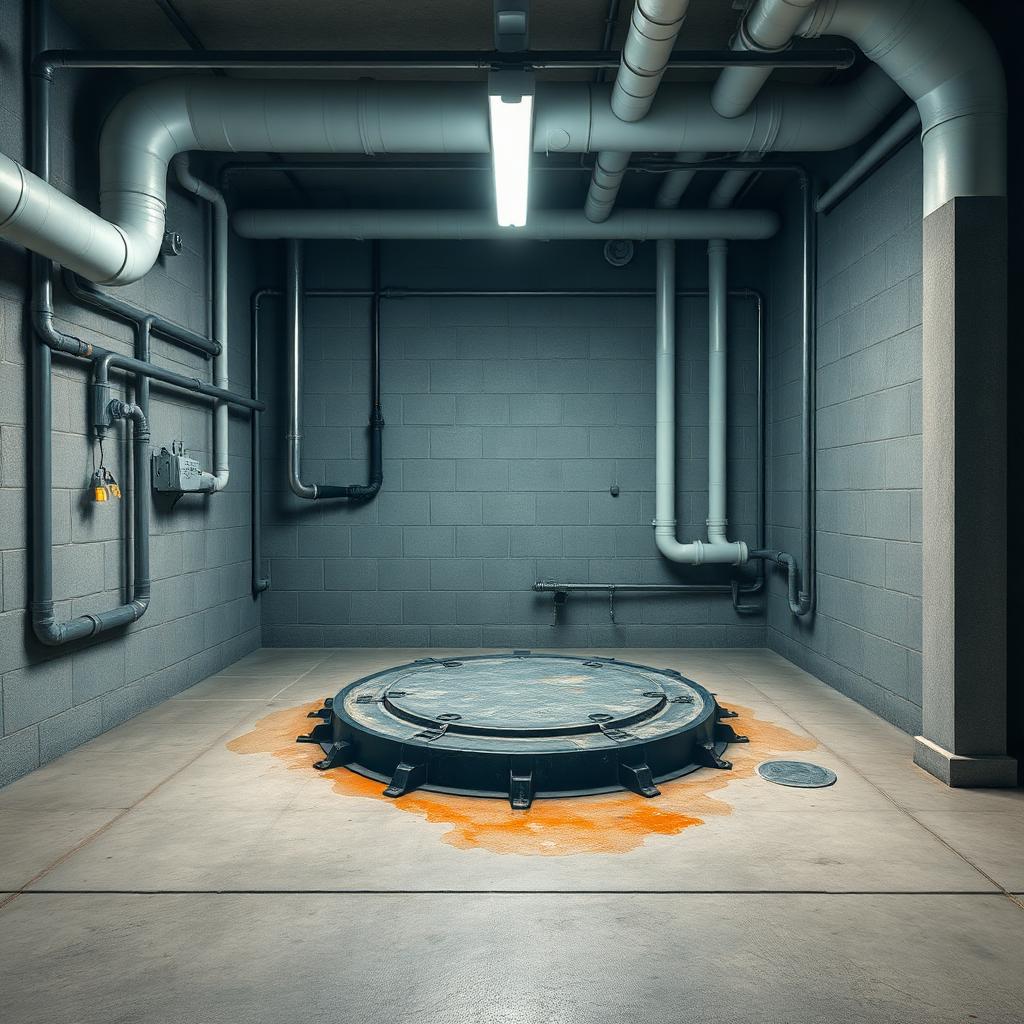
Ejector Pit Odor Control & Treatment
Ejector pits vent H₂S and methane every pump cycle. Vapor-phase dispensing, oxygen-enhanced biology, and safety rules that keep odor out of the building.
10 tips →Egg / Rotten-Egg (H₂S) Stench in Pits
That rotten-egg smell is hydrogen sulfide — corrosive, dangerous above 10 ppm, and 100% solvable at the source with the right chemistry and aeration.
10 tips →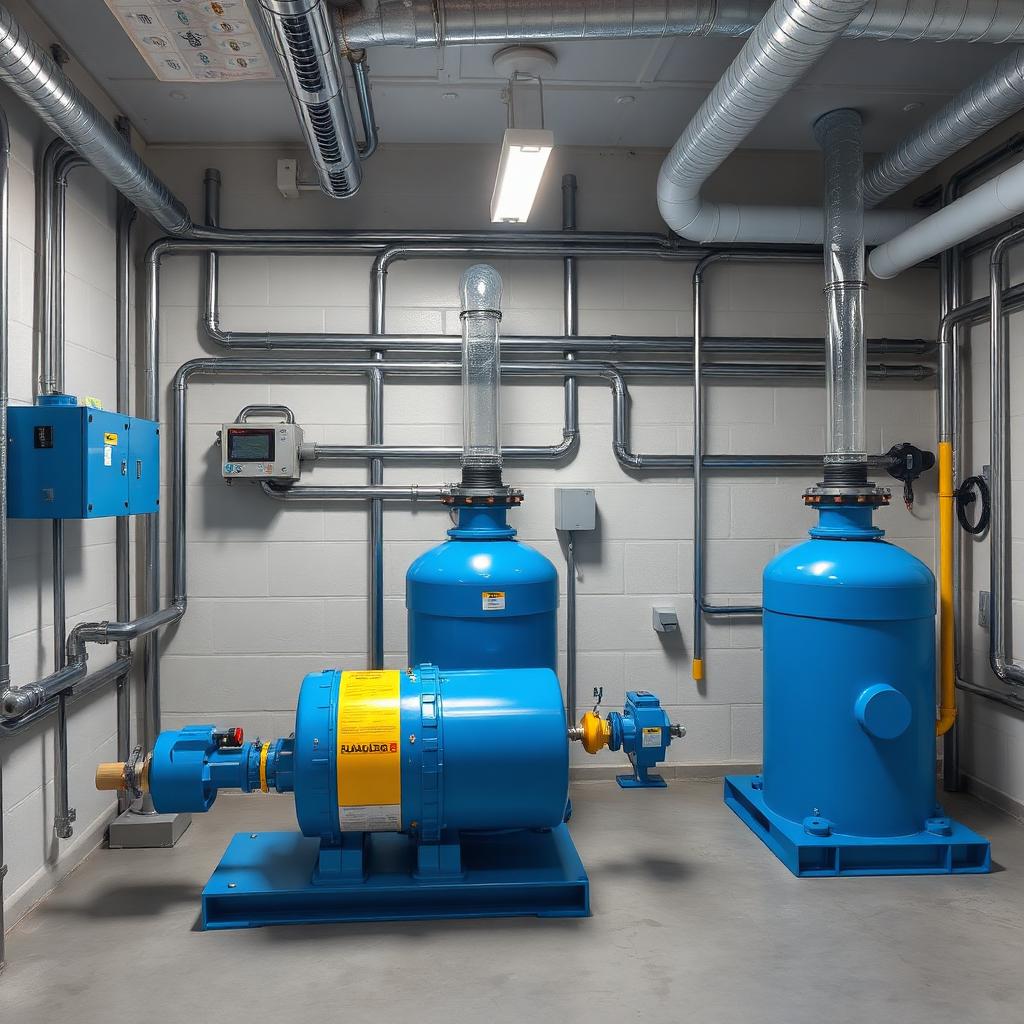
Lift Station Odor Control
Wet-well vapor dispensing, oxygen-releasing biology, corrosion-resistant panels — the operational playbook for lift stations that never migrate odor.
10 tips →Elevator Pit Odor Control
Elevator pits collect groundwater and cable grease. Monthly pumping, discreet dispensing, and coordination tactics that keep the shaft odor-free.
10 tips →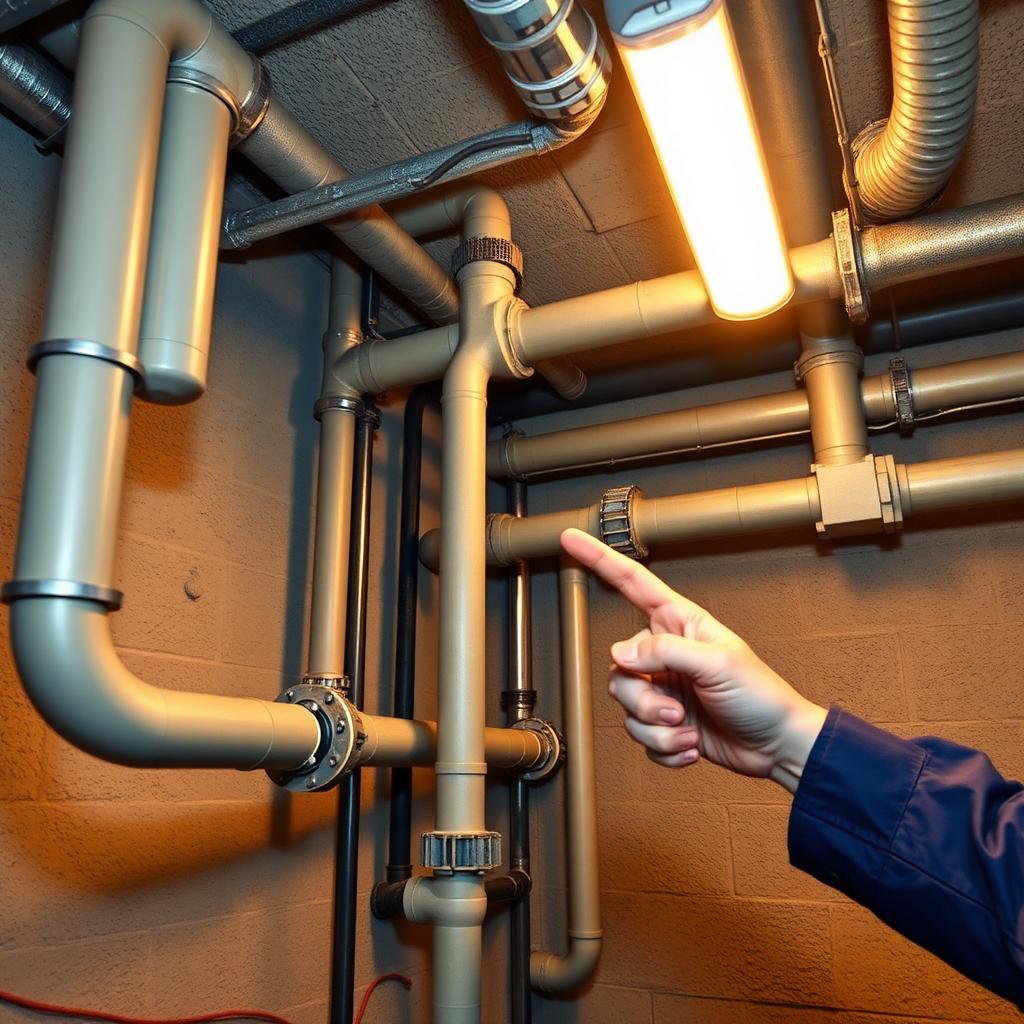
Sewer Gas & Drain Odor
Every drain that smells has a dry trap, a broken trap, or biofilm. Diagnose the plumbing first, then treat the line with enzyme chemistry — not caustic openers.
10 tips →
Ambient Scent Programs
Signature scent is memory-making — done wrong it reads as department-store cliché. Calibration, placement, and profile rules for HVAC-integrated scenting.
10 tips →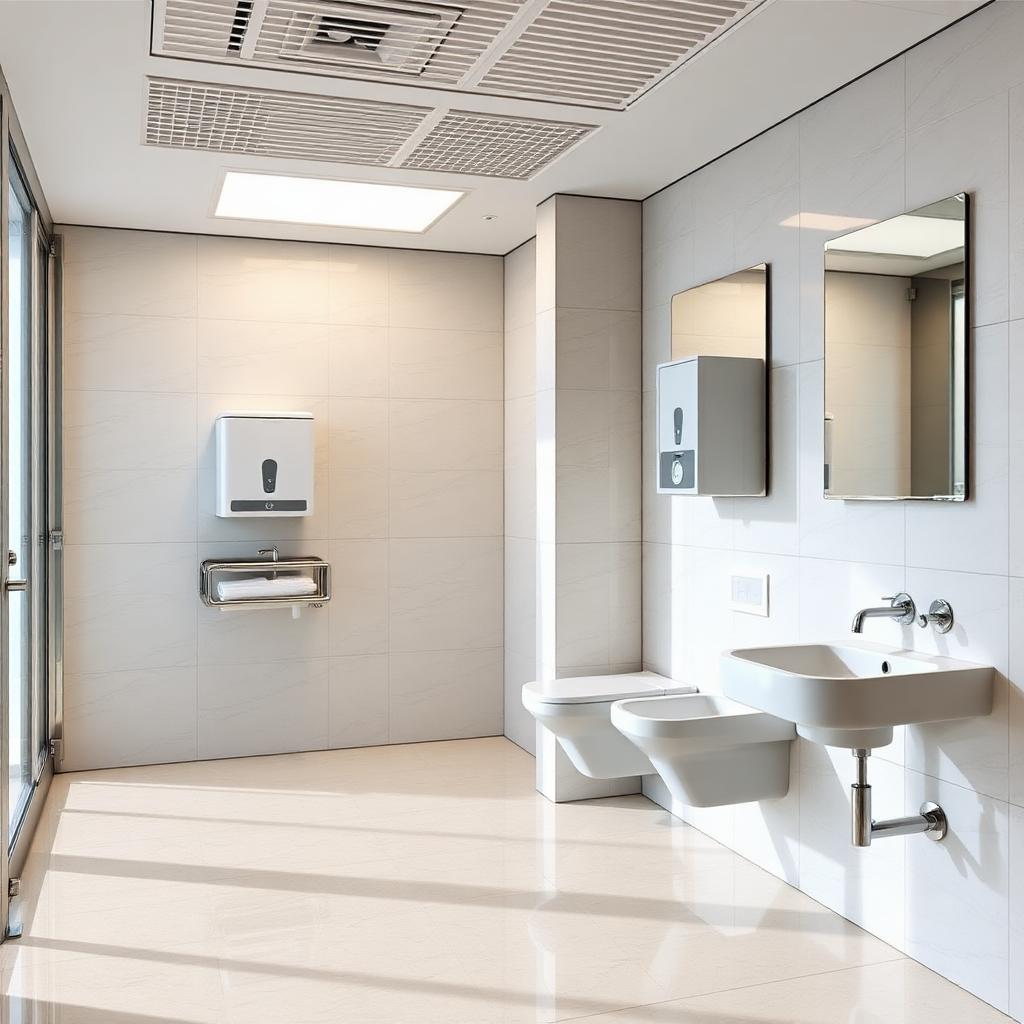
Restroom Odor Control & Air Fresheners
Restroom smell is 80% urine salts and 20% ventilation. Enzyme cleaning, exhaust CFM, and dispenser placement — the tactics that end restroom complaints.
10 tips →Bathroom Air Freshener Selection
The best bathroom air freshener is the one you never smell as fragrance — just the absence of odor. Format, intensity, and placement rules that scale.
10 tips →Industrial Odor Control Systems
Vapor-phase, perimeter misting, scrubber towers, activated-carbon skids, and bio-trickling filters — the industrial odor-control toolkit and when to use each.
10 tips →
Classroom & School Odor Control
Body odor, lunch residue, cleaning chemicals, and carpet — school odor is a cocktail. Ventilation, HEPA vacuuming, and fragrance-free tactics that work.
10 tips →Nursing Home Odor Control
Family members judge a facility by the first breath. Enzyme-based programs, upholstery cleaning, and corridor scenting that lift perceived cleanliness.
10 tips →Nursing Home & Assisted Living Urine Odor
Uric acid crystallizes into salts ordinary cleaners can't dissolve. Enzyme treatment, subfloor penetration, and black-light auditing that actually remove urine odor.
10 tips →
Hotel Odor Issues
Every category of hotel odor complaint has a systemic fix. Zone-based scenting, HVAC coil-cleaning, and smoking-recovery tactics that protect reviews.
10 tips →Hospital & Patient Room Odors
Patient-room odor is a clinical and satisfaction issue directly tied to HCAHPS scores. Fragrance-free enzyme protocols and isolation-room ventilation.
10 tips →
High-Rise Building Odors
High-rises stack odor problems literally. Chase-sealing, HVAC balancing, and single-vendor programs that stop odor migration in luxury towers.
10 tips →
Weed, Marijuana, Cigarette & Smoke Odor
Cannabis resin lingers on textiles and drywall for months. Hydroxyl fogging, oxidizing sealers, and corridor tactics that actually clear smoke odor.
10 tips →
Commercial Kitchen & Grease Odor
Kitchen odor is aerosolized fats condensed on surfaces. Hood cleaning, UV-C plenums, grease-trap dosing, and drain enzyme tactics for spotless kitchens.
10 tips →
Gym & Locker Room Odor
Sweat odor is bacterial. Fabric, rubber, and grout are the reservoirs. Enzyme mopping, ventilation, and towel cadence that end locker-room complaints.
10 tips →
Pet, Dog Park & Kennel Odor
Pet odor is protein waste and urine. Enzyme treatment, drainage, and outdoor-rated dispensing that end kennel and dog-park odor complaints.
10 tips →
Mold, Mildew & Musty Odor
Musty smell means active mold. Find the moisture source, remediate the material, then fog with hydroxyls — the correct order for lasting removal.
10 tips →Warehouse, Distribution & Loading Dock
Diesel, cardboard, product off-gassing, and forklift battery fumes — plus whatever's on the trailer. The warehouse odor playbook, dock to dock.
10 tips →Retail, Grocery & Convenience Store Odor
Retail odor complaints hit social media fast. Dumpster containment, seafood-drain dosing, and entry scenting that lift dwell time and basket size.
10 tips →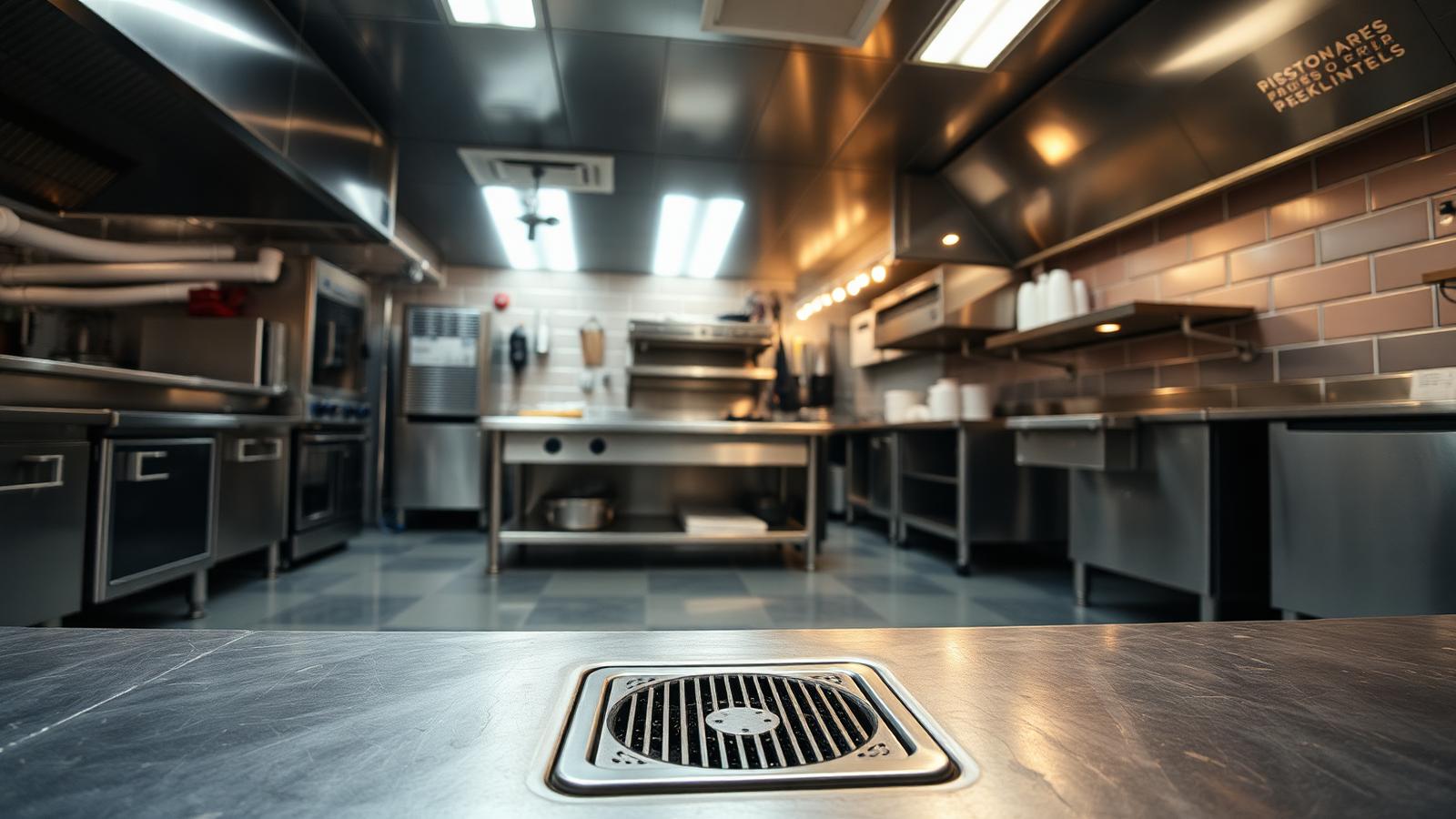
Restaurant Dining Room & Bar Odor
Guests smell your restaurant before they see the menu. Ventilation separation, walk-in fogging, and enzyme drain dosing that protect the dining experience.
10 tips →Houses of Worship & Event Spaces
Full-capacity events introduce 500+ bodies into spaces designed for 50. Fogging, ventilation, and pre/post protocols that carry the load.
10 tips →Airport, Transit & Stadium
High-volume, high-transient venues need continuous programs that survive shift-change gaps. HVAC-integrated dispensing and 30-min restroom cycles.
10 tips →Marine, Yacht & Cruise Ship Odor
Holding tanks, bilges, and closed cabins create the classic 'boat smell' — solvable with the right chemistry, ventilation, and between-charter protocols.
10 tips →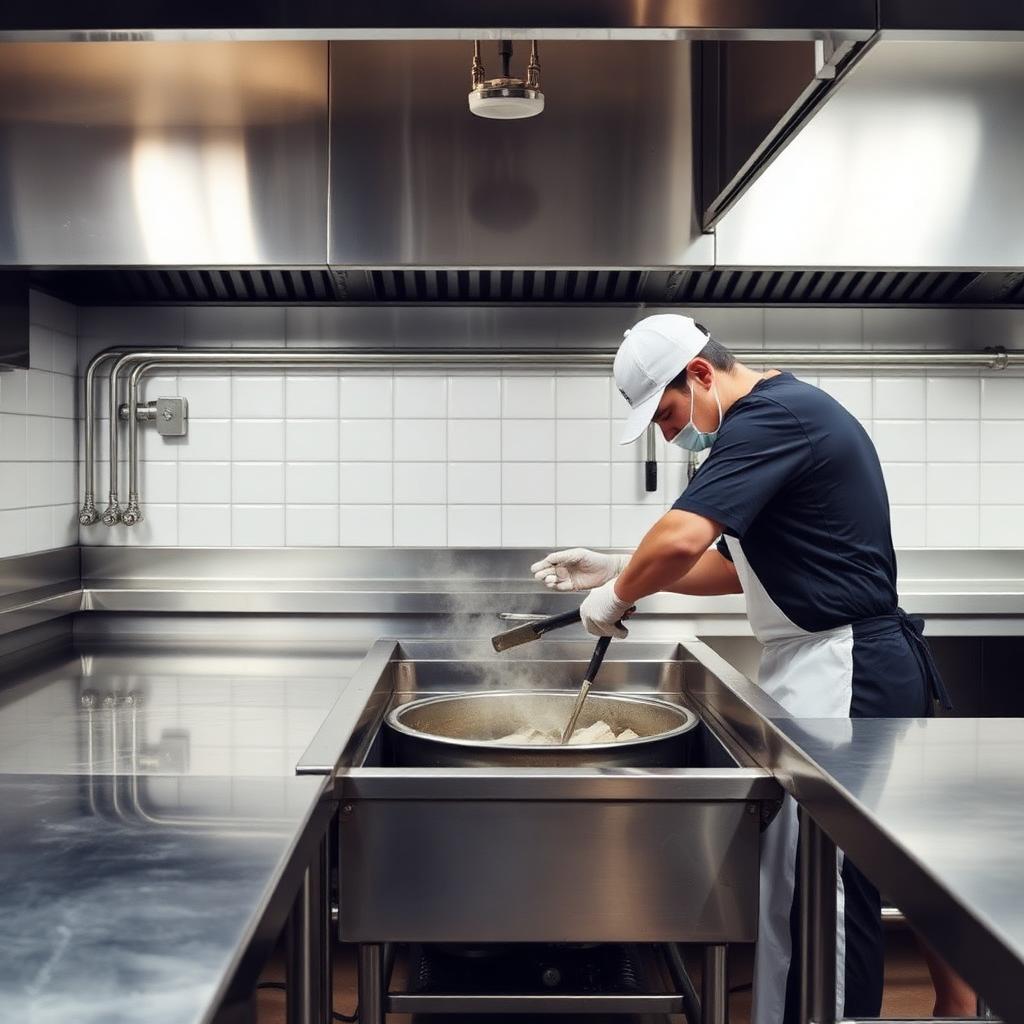
Choosing the Right Chemistry
The label 'odor eliminator' means nothing. A chemistry decision guide for uric acid, H₂S, FOG, MVOCs, smoke, and every common malodor.
10 tips →Dispenser Placement & Coverage
The right chemistry in the wrong location under-performs by 60%. Mounting height, sq-ft coverage, and airflow-aware placement rules that work.
10 tips →Auditing Your Program
You don't have an odor problem — you have an unmeasured one. Instrumentation, sniff-test cadence, and response SLAs that make the program provable.
10 tips →Safety, Compliance & OSHA
H₂S, VOC exposure, confined-space entries — odor problems become safety issues fast. OSHA PELs, SDS management, and PPE rules for odor programs.
10 tips →
Seasonal Odor Playbook
Odor generation follows the calendar. A programmatic month-by-month adjustment guide for trap primers, dosing, HVAC changeovers, and holiday spikes.
10 tips →Air Purifiers & Filtration Add-ons
HEPA, carbon, PECO/PCO, UV-C, bipolar ionization — how each technology complements chemistry, and when purifiers become placebos.
10 tips →Vendor & RFP Questions to Ask
The right vendor answers hard questions. A field-tested checklist for RFPs, SLAs, chemistry validation, and reference calls before you sign.
10 tips →The Luften Difference — Patented Chemistry
One vendor, patent-protected chemistry, and every odor source handled — chute, waste room, pit, lift station, elevator pit, restroom, and signature scent.
10 tips →