
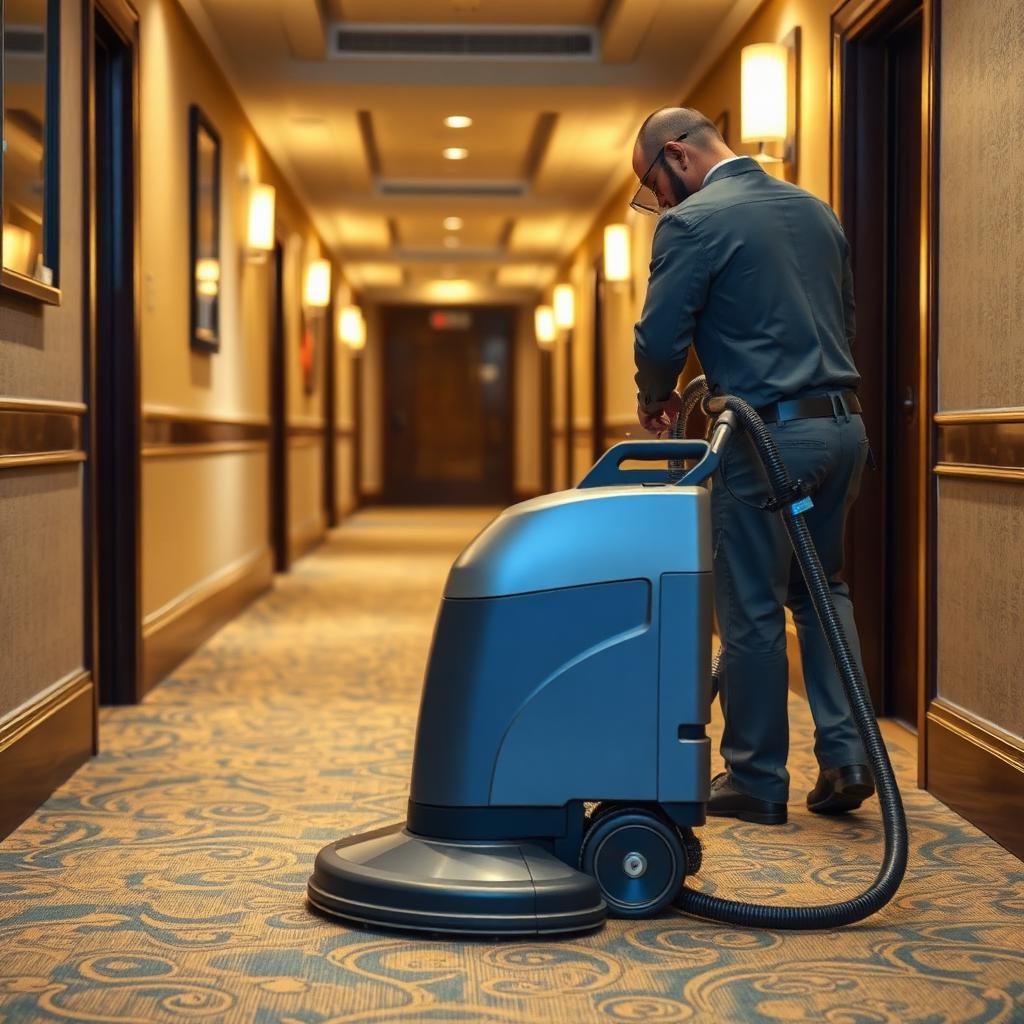
Picture this: a prospective member walks through the heavy mahogany doors of the clubhouse after a warm afternoon on the course. They expect the immediate transition from the heat of the fairway to a cool, refined interior that reflects the club’s heritage. Instead of the subtle notes of citrus or white tea, they are met with the distinct, heavy smell of floor wax from the morning cleaning crew, competing with the faint, persistent dampness of the nearby locker room. These competing odors do not just affect comfort; they subtly signal to the visitor that the facility's operations are reactive rather than proactive.
How do you reconcile the disparate needs of an airy, high-ceilinged lobby with the high-moisture challenges of a fitness center? Is it better to utilize a localized solution for high-traffic areas or a centralized system for consistent coverage? When does an ambient scent shift from being a background amenity to an intrusive distraction?
At Luften, we design and install engineered scenting and odor-control programs for high-end hospitality and private club environments. It can be tricky to balance the technical requirements of airflow with the aesthetic expectations of members, but there is a right answer for your specific facility layout.
In this guide, we will examine the technical differences between various scent delivery systems, how to categorize your clubhouse into specific scent zones, and the critical distinction between neutralizing odors and layering fragrance. By the end of this article, you will have a clear framework for selecting a scenting strategy that enhances member perception while solving the underlying chemical challenges of locker room and dining area maintenance.
Neutralization versus Fragrance Layering
One of the most common mistakes in clubhouse management is attempting to solve a traditional odor problem, such as uric acid in the men’s locker room or dampness in the pool transition area, by simply increasing the concentration of a floral scent. This approach often results in a cloying, heavy atmosphere that members find more offensive than the original smell. Effective scenting requires a two-step approach: first, neutralizing the malodor molecules at the source through chemical encapsulation or microbial degradation, and second, introducing a subtle ambient fragrance. The primary goal of any clubhouse scenting program should be to achieve a neutral baseline before introducing an aesthetic scent. If you are noticing persistent odors, the solution is likely a combination of enzymatic drain maintenance and an ambient system that utilizes a neutralizing agent within the fragrance oil itself.
Cold-Air Nebulization versus Conventional Aerosols
When evaluating hardware, the mechanism of delivery determines whether the scent remains consistent or fades rapidly. Conventional aerosols and heat-based diffusers create large droplets that fall quickly to the floor, leading to uneven distribution and sticky residues on furniture or carpets. In contrast, cold-air nebulization technology uses high-pressure filtered air to atomize fragrance oil into a dry mist of nanoparticles. These particles are small enough to remain suspended in the air for long periods, buoyed by the natural thermal currents in the room. Cold-air nebulization is the only professional-grade method that ensures a consistent scent profile without leaving a residue on the clubhouse’s high-value finishes. This technology allows for a lower concentration of oil while achieving a more prevalent and professional effect across large square footages.
HVAC Integration versus Standalone Units
For most clubhouses, the decision between integrating scent into the HVAC system or using standalone diffusers depends on the layout of the zones. An HVAC-integrated system involves installing a nebulizer directly into the supply duct, utilizing the building's existing airflow to distribute the scent evenly to every corner of a large ballroom or lobby. This is highly efficient but lacks the granularity needed for different moods in different rooms. Standalone units, tucked discreetly behind furniture or wall-mounted in service corridors, allow for a specific scent for the pro shop and a completely different profile for the dining room. Integrating with your HVAC system provides the most consistent and invisible delivery for expansive common areas, while standalone units are preferred for localized odor management in fitness centers or locker rooms.
Scenting for Different Clubhouse Zones
Each area of a private club serves a different purpose and therefore requires a different approach to air quality. The pro shop should focus on a crisp, energized scent that complements the retail environment without overwhelming it. The locker rooms require a scent with a higher percentage of neutralizing agents to combat the biological odors associated with damp clothing and showers. Dining rooms, conversely, require extreme caution; a scent that is too strong will interfere with the member’s ability to taste food and wine. For these sensory-sensitive areas, many clubs choose to forego scenting entirely or use a very light, ozonic profile that mimics fresh air. Designing a zoned program ensures that the scenting intensity and profile are mapped to the specific physiological and psychological needs of each room.
Choosing the Right Scenting Program for Your Property
Selecting the right system begins with a thorough audit of your facility’s mechanical layout. You must identify where the odor challenges originate and where the primary member traffic patterns lie. A successful program is invisible; members should feel that the air is clean and pleasant without being able to identify the exact source of the fragrance. Consistency is the hallmark of a premium environment, which is why programmable timers and variable intensity settings are essential for maintaining the right balance during peak hours versus early morning prep.
Remember that scent is part of your facility's overall maintenance ecosystem. It should work in tandem with your drain treatments, HVAC filter schedules, and housekeeping protocols. By choosing the right delivery technology and focusing on neutralization as well as ambiance, you create an environment that reinforces the exclusivity and quality of your club.
Have a question or need support? Our team is here to help — we'll connect you with the right expert.