
Home/Blog/The Hidden Cost of Trash Room Odors in High-Rise Buildings

Odor Control · July 3, 2026 · 4 min read

The Hidden Cost of Trash Room Odors in High-Rise Buildings

Trash room odors quietly erode resident satisfaction, online reviews, and leasing performance. Here's the real cost — and how buildings are fixing it.

By Luften Team

The Hidden Cost of Trash Room Odors in High-Rise Buildings
All posts

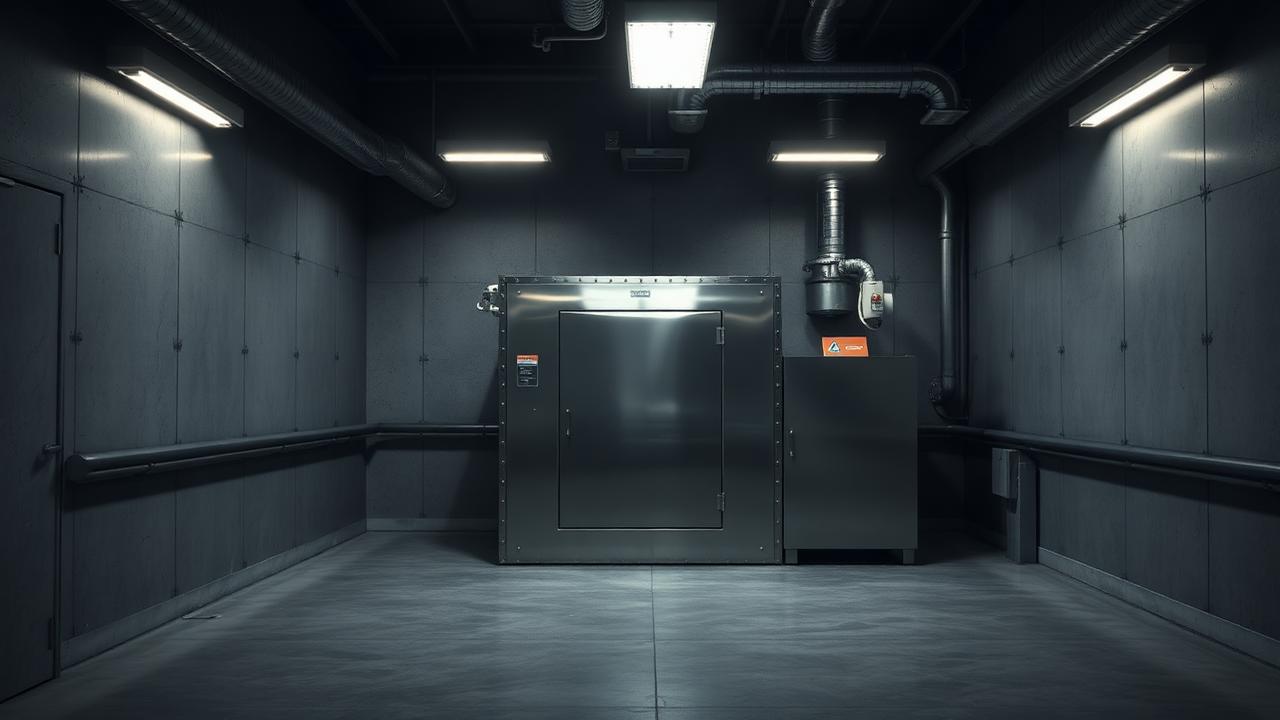
The trash room is one of the first areas residents notice when it smells bad.

The real cost Persistent odors can lead to:

- Resident complaints - Negative online reviews - Poor first impressions for prospective tenants - More frequent cleaning costs - Increased insect activity

Continuous vs. reactive Instead of relying on repeated cleaning, many luxury buildings are switching to automated odor control that runs continuously. A properly designed system keeps odors under control every day — not just immediately after a cleaning crew leaves.

Field Tips

Related tips you can put to work today

High-Rise Building Odors

High-rises stack odor problems literally — a lobby smells like the basement, and the penthouse smells like the chute.

  1. 1The stack effect drives odor upward in winter and downward in summer — plan HVAC dispensing to counter.
  2. 2Seal every chase penetration; unsealed penetrations are highways for kitchen and bathroom odors.
  3. 3Balance HVAC yearly — an unbalanced system creates pressure differentials that pull odor between units.
  4. 4Address the chute, waste room, and ejector pit as a single program, not three vendors.
  5. 5Add corridor air-freshening tuned to the building's signature scent, not off-the-shelf fragrance.
  6. 6Investigate 'ghost odors' with a smoke pencil; they usually trace to a specific chase or shaft.
  7. 7In mixed-use towers, isolate restaurant exhaust — commercial kitchen odor migrates through shared HVAC.
  8. 8Cap unused floor drains with trap seal devices; abandoned units are silent odor sources.

Trash Chute Odor Control

Chutes act like chimneys — warm, moist air rises and pushes odor onto every floor. Treat at the intake, not just the bottom.

  1. 1Install a gravity-fed dispenser at the top of the chute so treatment coats the shaft as it falls.
  2. 2Add a secondary metered dispenser at the discharge to hit the collection room continuously.
  3. 3Use encapsulation chemistry (not perfume) so odor molecules are neutralized, not masked.
  4. 4Keep intake doors self-closing and gasketed — a warped door leaks smell onto the corridor.
  5. 5Wash the chute quarterly with a hot-water sanitizing brush system; annually for luxury properties.
  6. 6Never spray aerosols into a chute — flammable propellants + friction sparks are a documented fire risk.
  7. 7Post a 'no liquids, no loose food' sign at every intake door; loose food is the #1 odor source.
  8. 8Check the chute's roof vent yearly — a blocked vent forces odor into the top-floor hallway.
Browse the full library at Luften's 400+ odor control tip guides.
#trash room odor#high-rise odor control#resident complaints#luxury building smell

Get a quote for your upcoming project.

A Luften engineer will scope, price, and schedule a walk-through within 48 hours.

Call NowWhatsApp