Grease Trap Cleaning and Maintenance in NYC

Stop grease-related disruptions before they start. Efficient FOG management prevents the backups and odors that stall productivity, protecting your infrastructure from avoidable repairs and reducing your reliance on expensive pump-out services.

Grease trap maintenance
Prevent Buildup

Prevent excessive grease trap buildup

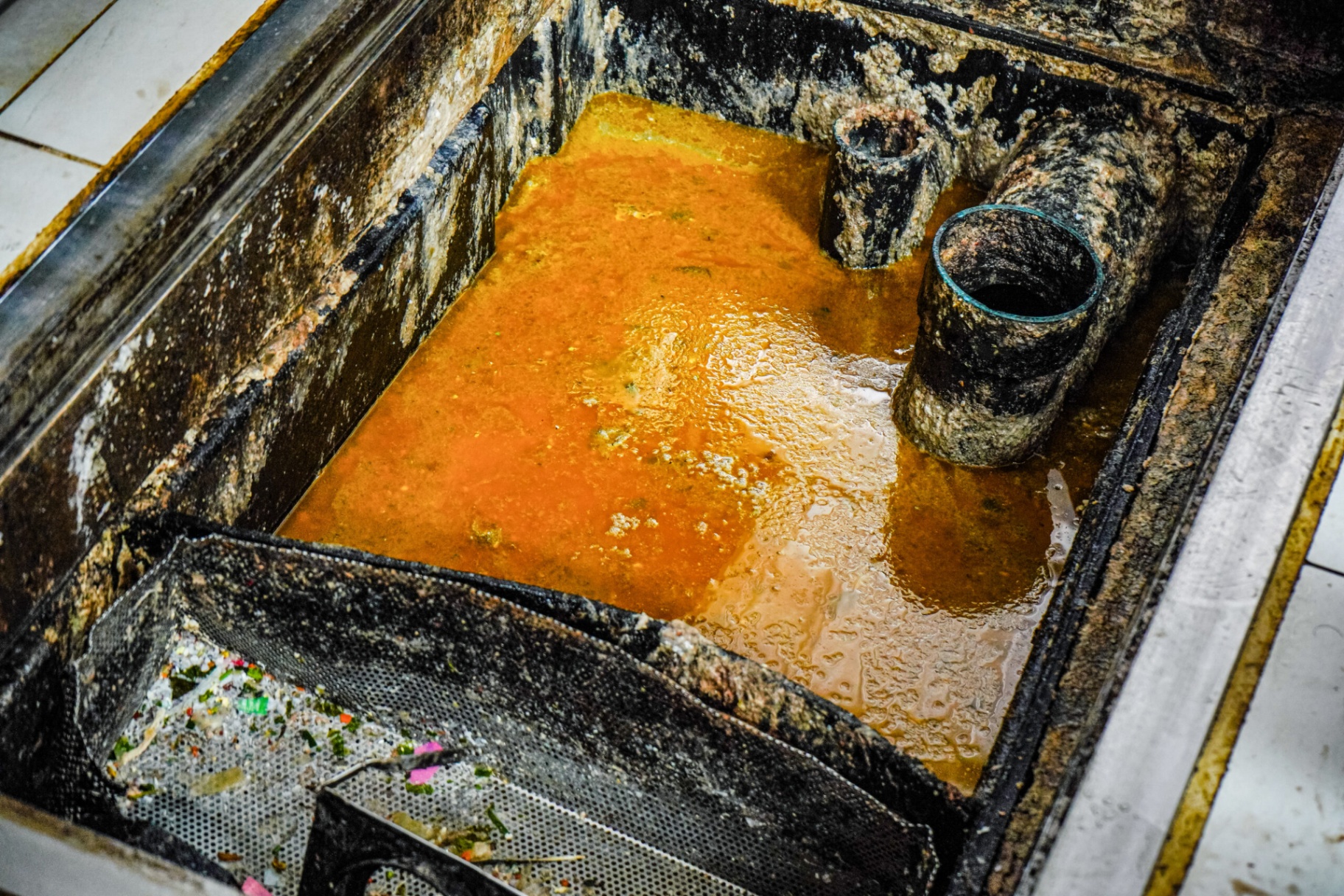
FOG means fats, oils and grease. It collects in the trap and connected drain lines, where buildup can contribute to odors, slow drains and backups. Cleaning the visible kitchen does not remove film inside the drain throat or a grease cap in the trap. A maintenance plan needs to address both the collection point and the lines feeding it.

Minimize recurring blockages
Eliminate atmospheric malodors
Systematize proactive care
Sustain operational alignment

Automated Grease Trap Maintenance

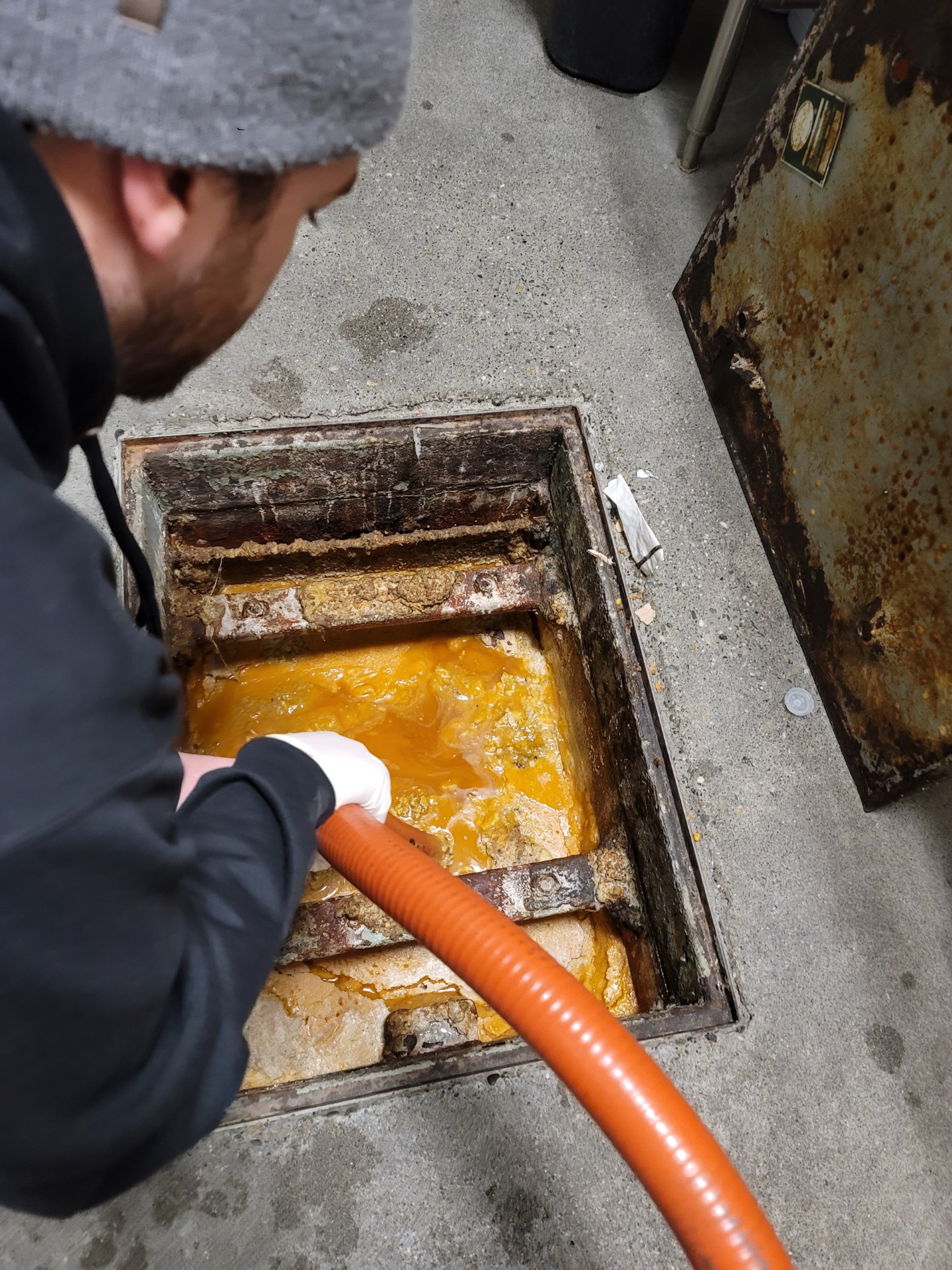
Luften installs and calibrates a metered treatment system that works between pump-outs. Scheduled visits include checking the dose, replenishing treatment, measuring the FOG cap and treating connected floor drains and lateral lines. The technician leaves a written service log. This is a managed program, not a chemical purchase that kitchen staff must remember to dose themselves.

Dirty grease trap with heavy buildup

Grease trap care for NYC kitchens and mixed-use buildings

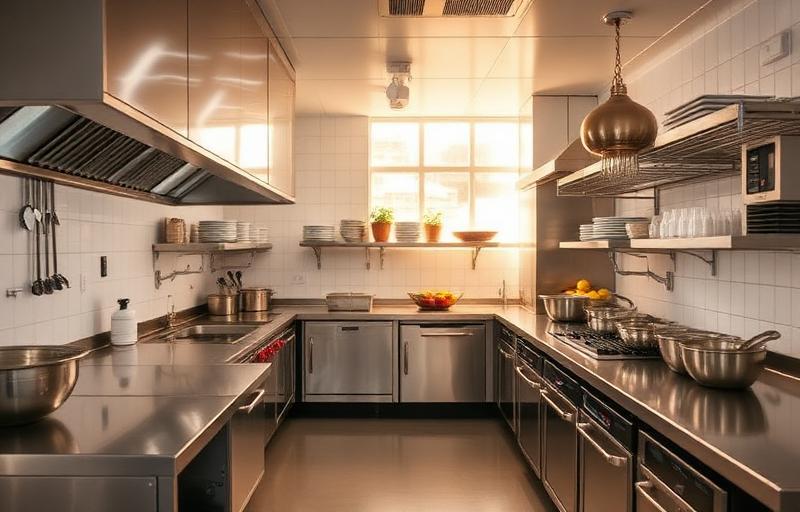
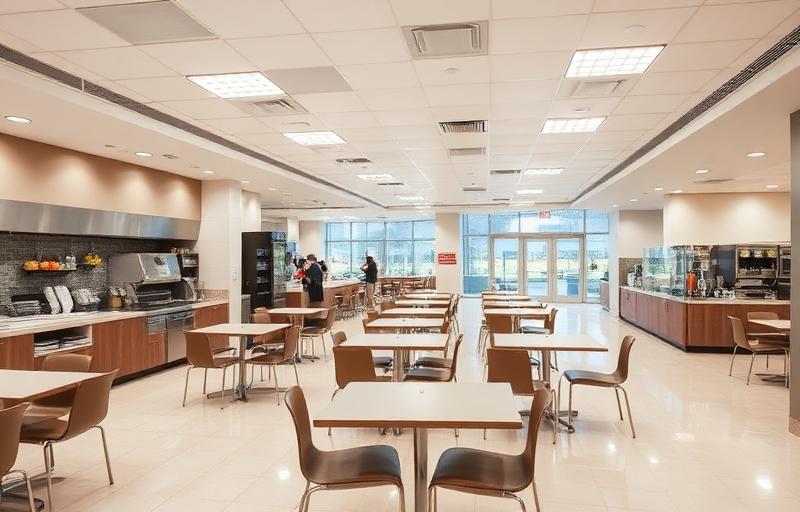
The program is for restaurants, hotel kitchens, cafeterias and food-processing facilities, as well as residential buildings with commercial food tenants. In a shared building, the kitchen drain and main interceptor may involve both tenant staff and property management. Looking at the full route helps avoid treating a single fixture while grease continues to collect farther downstream.

Cleaning, pumping and ongoing treatment are different jobs

Pumping removes accumulated grease and settled solids from the trap. Cleaning addresses material left on trap walls and connected surfaces. Ongoing biological treatment works on incoming FOG between those visits. These jobs complement one another: dosing does not empty a full trap, and a pump-out does not provide continuous treatment afterward. Luften’s local service pages describe pump-outs and deep cleans alongside bioaugmentation between services.

A smell returning after pumping can involve film still present on trap walls, floor-drain throats or the lateral line. Floor-drain foam contacts surfaces that liquid flowing down the middle can miss. A slow drain or active backup also needs assessment of the physical obstruction. The right plan separates necessary clearing and pumping from the scheduled treatment intended to keep buildup from returning.

Scheduled service with a record of what was checked

Set the service interval from the trap’s actual load rather than waiting for complaints. High-volume cooking and shared food tenants can change how quickly FOG accumulates. Luften’s monthly maintenance includes equipment checks, refills and a written log, giving the facilities team a continuing record. Staff should also scrape plates and avoid pouring oil-based food waste into drains. Treatment supports that routine; it does not replace kitchen housekeeping.

Follow the odor from the kitchen to its source

A grease-trap complaint should include the connected floor drains and kitchen lateral, not just the trap itself. Food residue in the dish pit can produce an odor even after the main trap has been serviced. Film inside the drain throat can also support drain flies. Luften’s published drain and grease guidance treats these as related maintenance concerns: inspect the trap, address the floor-drain surfaces and maintain the line carrying wastewater between them.

For restaurants and hotel kitchens, share the location and pattern of the odor with the facilities team. For mixed-use residential properties, include the food tenant and building manager so the shared drainage route is considered. An existing pumping record and the ongoing treatment log help distinguish a trap that needs emptying from recurring film between services. The objective is to keep the program focused on what is actually accumulating, rather than repeatedly adding fragrance to a room or scheduling another pump-out without reviewing the connected drains.

Five boroughs, Long Island and New Jersey

For grease trap cleaning in NYC, start with the property’s trap, connected kitchen drains and service history. Luften’s existing local programs cover the five boroughs, Long Island and New Jersey. Select your area for the established local service page.

Features

What it does

Eliminates odor

Neutralizes gases at the source.

Breaks down grease

Prevents buildup and clogging.

Customer Voices

Hear from operators who switched.

"Luften is a cost-effective alternative to annual power flushing of kitchen stacks. I'm happy to share my experience with any prospective client."
Senior Regional Manager
Property Management
"I presented our problem to our Luften account manager and she put a plan into action immediately. My team and residents fell in love with the result."
Property Manager
Office Building
"Efficient, concise, reliable. I've witnessed the benefits Luften brings to our hospital's commercial kitchen drains firsthand."
Facility Director
Healthcare
"Our Luften rep went above and beyond to identify the source of the problem and provided expert guidance every step of the way."
Abigail Weedor
COO, The Hope Center
Case Studies

Proven results across industries.

Real facilities. Real numbers. See how Luften's automated grease trap programs eliminated odors, cut emergency calls, and kept kitchens compliant.

View all case studies
Boutique hotel chain eliminates kitchen odors across 12 properties
Hospitality

Boutique hotel chain eliminates kitchen odors across 12 properties

After repeated guest complaints and emergency pump-outs, a regional hotel group rolled out Luften's automated dosing across 12 commercial kitchens. Within 60 days odor complaints dropped to near zero.

98%
odor complaints reduced
Hospital cuts grease trap pump-outs by two-thirds
Healthcare

Hospital cuts grease trap pump-outs by two-thirds

A 400-bed hospital cafeteria was scheduling emergency grease trap service every 6 weeks. Luften's continuous-dosing program extended service intervals to quarterly — saving thousands per year.

67%
fewer pump-outs
High-rise residential stops kitchen stack flushing entirely
Property Management

High-rise residential stops kitchen stack flushing entirely

A downtown high-rise was paying for annual hydro-jetting of kitchen stacks. After a 90-day Luften pilot, buildup stayed in check and the property eliminated the recurring flush from their budget.

$24K
annual savings

Grease trap cleaning and maintenance FAQs

How often should a grease trap be pumped?
When the FOG (fats, oils, grease) layer exceeds 25% of trap depth. Most full-service kitchens: every 60–90 days. High-volume frying kitchens: every 30 days.
Are bacterial additives safe for grease traps?
Yes. Bioaugmentation products use the same Bacillus species present in municipal treatment plants. They reduce FOG between pumpings and extend service intervals.
Does ongoing treatment replace grease trap pumping?
No. Pumping removes accumulated grease and solids. Metered biological treatment reduces FOG between pump-outs and supports the connected drains, but it does not replace necessary pumping or clearing an active blockage.
What does Luften document during service?
The monthly program includes dosing checks, refills, inspection of the FOG cap and treatment of connected drains and lateral lines, with a written service log.
Where does Luften provide grease trap maintenance?
Luften serves all five New York City boroughs, Long Island and New Jersey. A site assessment identifies the grease trap, connected drains and the appropriate ongoing service program.

Stop fixing the same problem every week

Solve it once — at the source.

Take Control

Ready to take control of your grease trap?

Tell us about your facility. A Luften engineer will assess your kitchen and recommend the right program — then handle install and ongoing service.

Related pages

More questions

From the blog

Text us
Call NowWhatsApp