
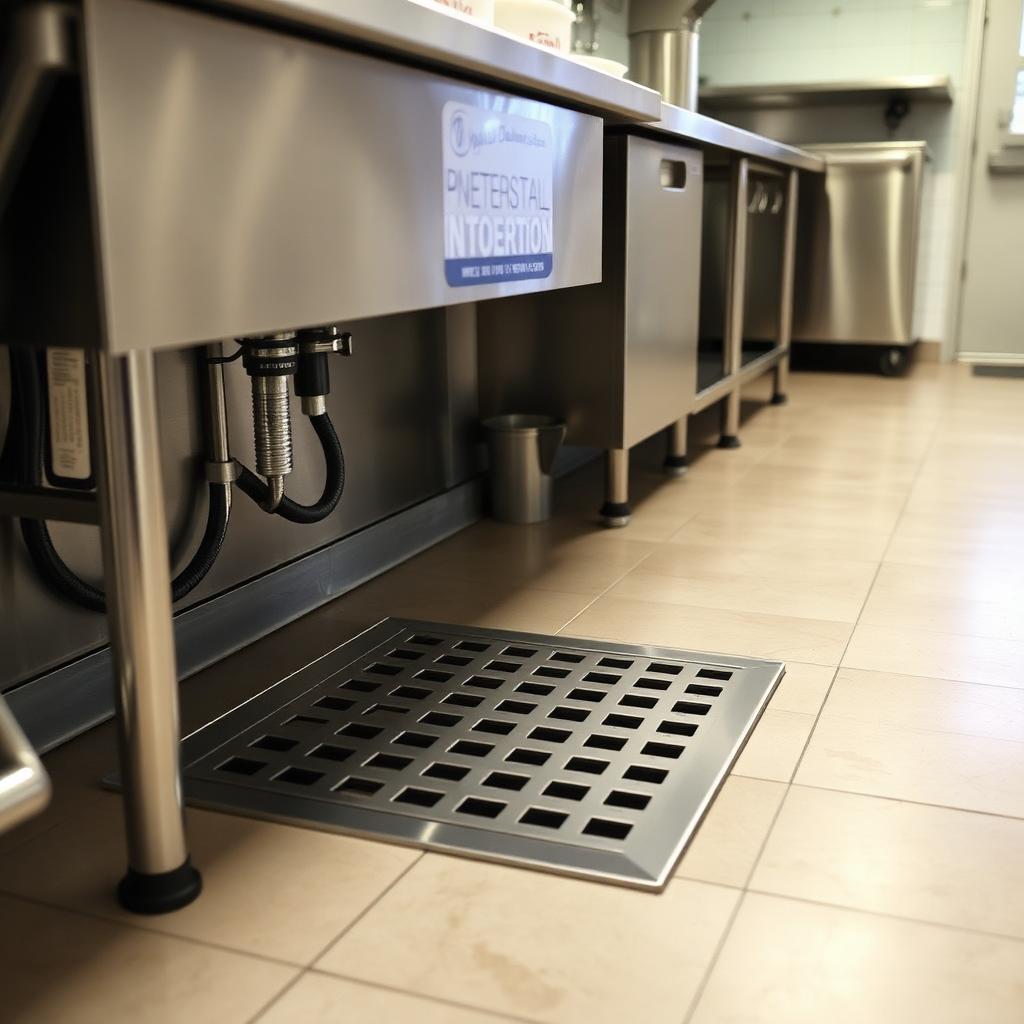
It is the middle of a Friday night dinner rush, the dining room is at full capacity, and the floor drain in the dishwashing station suddenly begins to overflow with greywater and coagulated fat. Despite having the grease trap pumped only three weeks ago, the interceptor has reached capacity, sending a foul, sulfurous odor into the kitchen that is quickly drifting toward the host stand. The immediate panic involves scrambling for a plumber who will charge emergency rates while your staff tries to keep the kitchen floor safe for service. You are left wondering how a system designed to last six weeks failed in three, and whether the solution is simply more frequent pumping or a fundamental change in how you manage your waste stream.
Is the failure caused by an increase in volume, or is it a chemical breakdown of the effluent? Are the enzymes you are currently using actually breaking down grease, or are they simply pushing the problem further down the municipal line? Do you need a larger tank, or do you need a more consistent biological treatment program?
At Luften, we design and manage comprehensive engineered wastewater programs for high-volume commercial kitchens. It can be tricky to balance the costs of frequent pumping against the risks of a catastrophic backup, but there is a right answer for your situation.
This guide explains the mechanical and chemical reasons why grease traps fail between scheduled services, the difference between liquefying fats and truly digesting them, and how facility managers can implement a automated dosing strategy to extend pump-out cycles while maintaining compliance with local discharge regulations.
The Reality of FOG Accumulation vs Interceptor Capacity
Most grease traps are sized based on the flow rate of your fixtures, but they are often overwhelmed by the sheer volume of Fats, Oils, and Grease (FOG) generated during peak periods. When hot water from a high-temp dishwasher hits the trap, it can temporarily liquefy the grease, allowing it to bypass the baffles and exit into the main line before it has a chance to cool and separate. This results in downstream blockages that mimic a full trap even when the tank has physical space available. If your kitchen staff uses high-strength degreasers to clean floors and sinks, these chemicals often emulsify the grease, preventing it from floating to the top of the interceptor for collection. This process effectively turns your trap into a pass-through pipe, leading to fines from the city and increased pressure on your lift station and ejector pit care routines.
Enzyme Dosing vs Biological Digestion
Many operators turn to grocery-store enzymes to solve odor and buildup issues, but these are often temporary fixes that cause long-term harm. Enzymes act as chemical scissors; they cut the molecular chains of fat into smaller pieces, but they do not eliminate the organic matter. Once those fats travel further down the pipe and cool, they re-solidify, often creating "fatbergs" in the municipal sewer. A superior approach involves live vegetative bacteria that consume the FOG, converting it into water and carbon dioxide. Implementing a professional-grade biological treatment is the only way to physically reduce the volume of solids in the tank between manual cleanings. By using a consistent grease trap maintenance program that utilizes automated pumps, you ensure the bacteria are introduced during low-flow periods, such as 2:00 AM, giving them time to colonize the trap without being washed away by the morning shift.
The Role of Temperature and pH in Trap Failure
Grease traps are living ecosystems, and their efficiency depends heavily on the environment inside the tank. If the water entering the trap is consistently above 140 degrees Fahrenheit, the grease will never solidify, rendering the mechanical baffles useless. Similarly, if your cleaning crew pours bleach or caustic drain openers down the sink, they effectively kill the beneficial bacteria that help break down waste, leading to rapid souring and extreme drain odor elimination challenges. Maintaining a neutral pH and monitoring water temperature are critical steps in ensuring that your interceptor functions as a separator rather than just a holding tank. When the biological balance is disrupted, the FOG begins to ferment, creating organic acids that can eventually corrode concrete and metal components within the plumbing system.
Choosing the Right Program for Your Facility
Selecting the right maintenance strategy requires an audit of your menu, your volume, and your current plumbing health. A steakhouse in our New York service area will have vastly different FOG profiles than a vegan cafe, and their dosing requirements must reflect that. The goal should not be to eliminate pumping entirely—which is impossible—but to ensure that the time between pumps is predictable, manageable, and free from emergency backups.
Look for a program that offers automated, metered dosing rather than manual application. Manual application is prone to human error and inconsistency, whereas a timed pump ensures the exact amount of chemistry is delivered every night. By stabilizing the environment inside the trap, you protect your infrastructure and significantly reduce the ambient odors that can ruin a guest's dining experience.
Have a question or need support? Talk to our team — we'll connect you with the right expert.