
10 field-tested tips
- 1Clean hood filters weekly, not monthly — loaded filters release the odor you paid to capture.
- 2Deep-clean the entire hood system quarterly per NFPA 96, more often for high-volume kitchens.
- 3Add activated-carbon polish to the rooftop exhaust when neighbors complain.
- 4UV-C in the hood plenum breaks down grease vapor before it condenses in the duct.
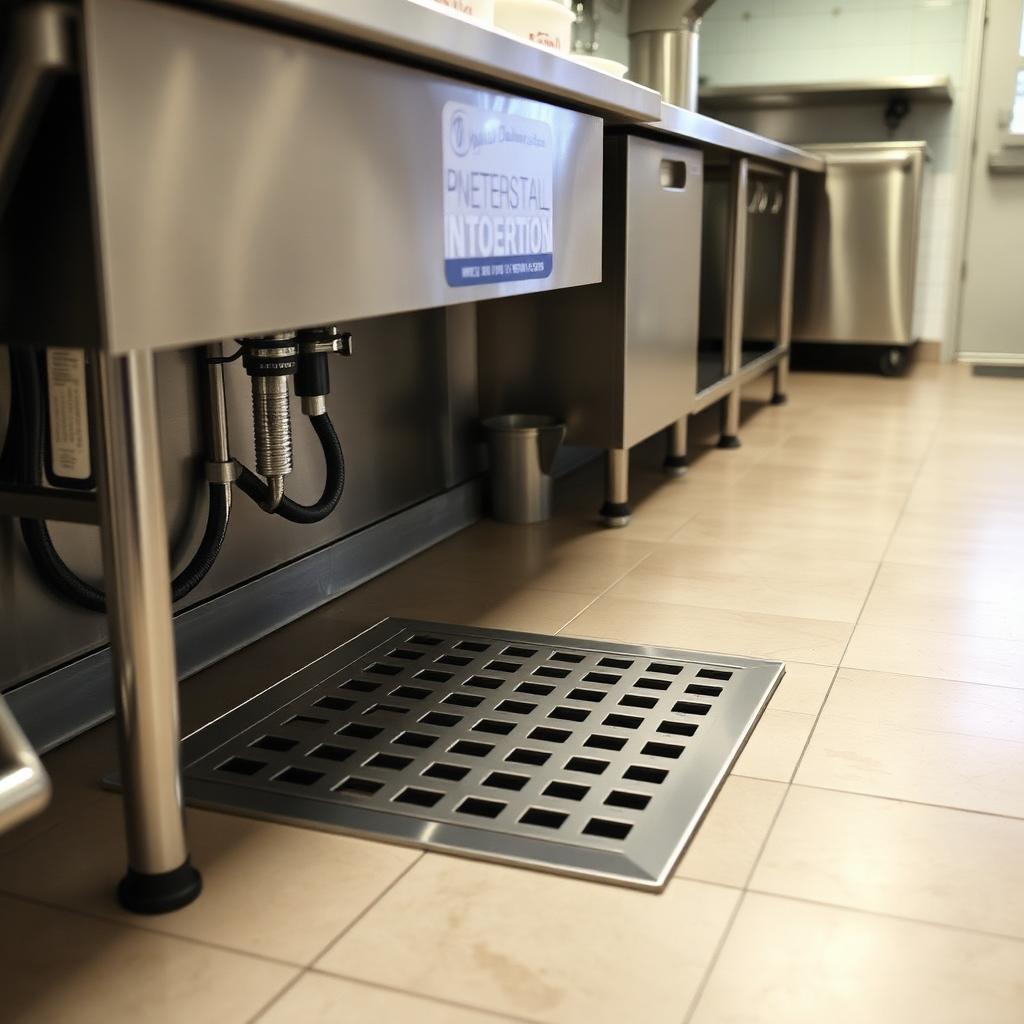
- 5Treat the grease trap on a documented pumping schedule — an over-full trap vents H₂S back into the kitchen.
- 6Enzyme-dose the drain lines weekly; grease that reaches the sewer is on you if the DEP asks.
- 7Wipe kitchen ceilings monthly — condensed grease on ceilings is a hidden odor source.
- 8Segregate wet trash and grease waste — mixed bins multiply odor generation.
- 9Ventilate walk-in coolers on the coil-defrost cycle; melted condensate under a cooler becomes a swamp.
- 10For mixed-use buildings, isolate the kitchen's exhaust from the residential riser — no shared duct.
Why it matters
Odor location does not always identify the source. Kitchen exhaust can pull air through plumbing defects or carry cooking smells toward occupied areas when makeup air is restricted. Tracking when complaints occur helps separate airflow problems from residue in equipment or waste connections.
Practical steps
Record whether smells appear during cooking, dishwashing, or equipment shutdown. Check that makeup-air intakes are unobstructed and fans operate with the cooking exhaust. Look for standing water beneath dish machines, leaking waste connections, and residue behind equipment kick plates. Inspect accessible grease-interceptor lids for damaged gaskets and loose fasteners without opening the interceptor. Confirm that sink strainers stay in place and staff scrape food into waste containers before washing. Keep findings with maintenance records so recurring locations remain visible across shifts.
When to call a professional
Call a plumber for recurring sewer odor, leaking interceptor covers, gurgling fixtures, or drainage that remains slow after cleaning. Have a ventilation contractor investigate odors that spread when fans start or doors open. Strong sewer odor with irritation warrants leaving the affected area and urgent assessment.
How Luften handles it
Luften offers a free on-site walkthrough and written treatment recommendation. Managed service programs cover grease, drains, and odor, with documented visits and a shared point of contact.
Grease trap maintenanceWant Luften to run this program for you?
Patented chemistry, managed dispensing, and one vendor for chute, waste room, pit, lift station, elevator pit, restroom, and signature scent.