
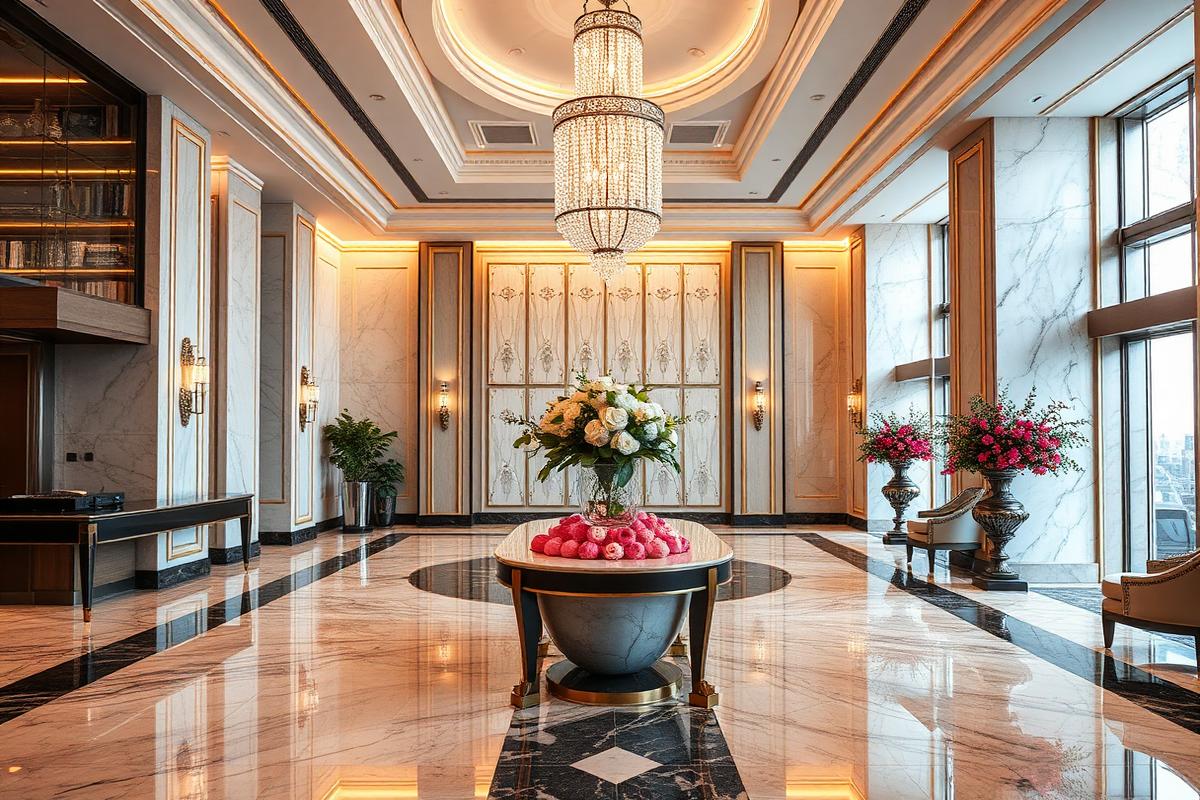
A potential resident walks through the glass doors of your New York City high-rise in the middle of a humid July afternoon. The lobby is the first physical touchpoint of their experience, yet there is a subtle, metallic tang from the air conditioning system and the lingering smell of damp pavement from the sidewalk outside. Despite the marble floors being polished and the concierge being dressed in a sharp uniform, the air feels stale rather than sophisticated. You have five seconds to establish the brand identity of the building through the senses, but if the air quality feels heavy or chemically masked, that window of opportunity closes before a single word is spoken.
How do you create a signature atmosphere that feels natural rather than artificial? Is the current smell of your lobby the result of an intentional strategy or a byproduct of building ventilation issues? Should you be looking for a fragrance to cover existing smells, or do you need a chemical intervention at the molecular level? Deciding between high-pressure aerosols and sophisticated cold-air diffusion is the difference between a high-end experience and a temporary fix.
At Luften, we design and manage integrated scenting systems for high-traffic environments across the tri-state area. It can be tricky to balance effective scent marketing with the technical requirements of large-scale air handling, but there is a right answer for your situation.
This guide examines the engineering behind ambient scenting in luxury residential spaces, covering the transition from fragrance masking to molecular neutralization, the mechanics of cold-air diffusion via HVAC integration, and the strategic selection of scent profiles to enhance resident retention. By the end of this article, you will understand how to implement a consistent, year-round air quality program that aligns with high-end property standards without relying on heavy perfumes.
Molecular Neutralization vs Fragrance Masking
Many facilities rely on traditional odor control methods that utilize heavy fragrance to overwhelm unpleasant smells. In a luxury residential setting, this often results in a "cloying" effect where the perfume mixes with the underlying malodor rather than eliminating it. Effective odor control programs must prioritize neutralization, which involves chemical compounds that bond with odor molecules—such as sulfides or mercaptans—and alter their structure so they are no longer volatile. Neutralization ensures that the baseline air quality is pristine before any signature scent is introduced to the environment.
When you treat the air at the molecular level, you remove the competition for the resident's olfactory senses. This is particularly important near high-traffic zones where drain odor elimination might be necessary to counteract building-wide plumbing ventilation issues. By stripping the air of organic odors first, the secondary scent layer can be delivered at a much lower concentration, leading to a sophisticated and subtle atmosphere rather than a pungent one.
HVAC Integration vs Standalone Diffusion
For smaller boutique spaces, standalone plug-in units or wall-mounted diffusers may seem sufficient, but they often create "scent pockets"—areas where the fragrance is overwhelming near the device and non-existent ten feet away. In large-scale luxury lobbies, HVAC scent diffusers provide a more uniform delivery by injecting atomized scent directly into the air supply ducts. Integrating scenting systems into the building’s air handling unit ensures consistent coverage across the entire floor plan while utilizing the existing airflow to maintain a constant concentration.
This method relies on nebulization technology, which breaks down scented oils into micro-particles that are lighter than air. Unlike traditional sprays that fall to the floor or leave a residue on furniture, these dry particles remain suspended in the air stream. In our New York service area, property managers often prefer this method because it allows for centralized control and eliminates the need for staff to manually manage multiple individual units throughout the day.
The Engineering of Scent Concentration and Timing
Ambient scenting is not a static process; it must be calibrated to the specific volume of the space and the rate of air exchange. A lobby with high ceilings and frequent foot traffic through revolving doors requires a different dosing frequency than a private resident lounge. The goal of a professional scent program is to reach the "threshold of perception," where the scent is felt as a mood enhancer rather than recognized as a distinct perfume.
Sophisticated systems allow for precise scheduling, reducing output during late-night hours when lobby traffic is minimal and increasing it during morning and evening rush periods. This avoids olfactory fatigue, a phenomenon where residents become desensitized to a smell because it is constant and unchanging. By pulsing the delivery and maintaining the correct parts-per-million in the air, you keep the environment fresh without wasting materials or overwhelming sensitive individuals.
Choosing the Right Scent Strategy for Your Property
Selecting a scent for a luxury residential property requires an understanding of your target demographic and the architectural style of the building. Modern, glass-heavy structures often benefit from "green" or citrus-based profiles that emphasize cleanliness and energy. Conversely, historic pre-war buildings in our New Jersey service area may lean toward wood-based or amber notes that evoke a sense of heritage and permanence.
Your strategy should also account for seasonal transitions. The scent profile that feels refreshing in the heat of July may feel cold in the middle of January. A managed program allows you to rotate these profiles to match the seasonal expectations of your residents while ensuring the hardware remains calibrated for the different humidity levels and air pressures that come with changing weather.
Ultimately, a successful program treats air quality as an essential utility rather than a luxury add-on. By focusing on neutralization and precise HVAC delivery, you create an environment that reinforces the value of the property every time a resident returns home.
Have a question or need support? Our team is here to help — we'll connect you with the right expert. Talk to our team to learn more about our facility programs.