
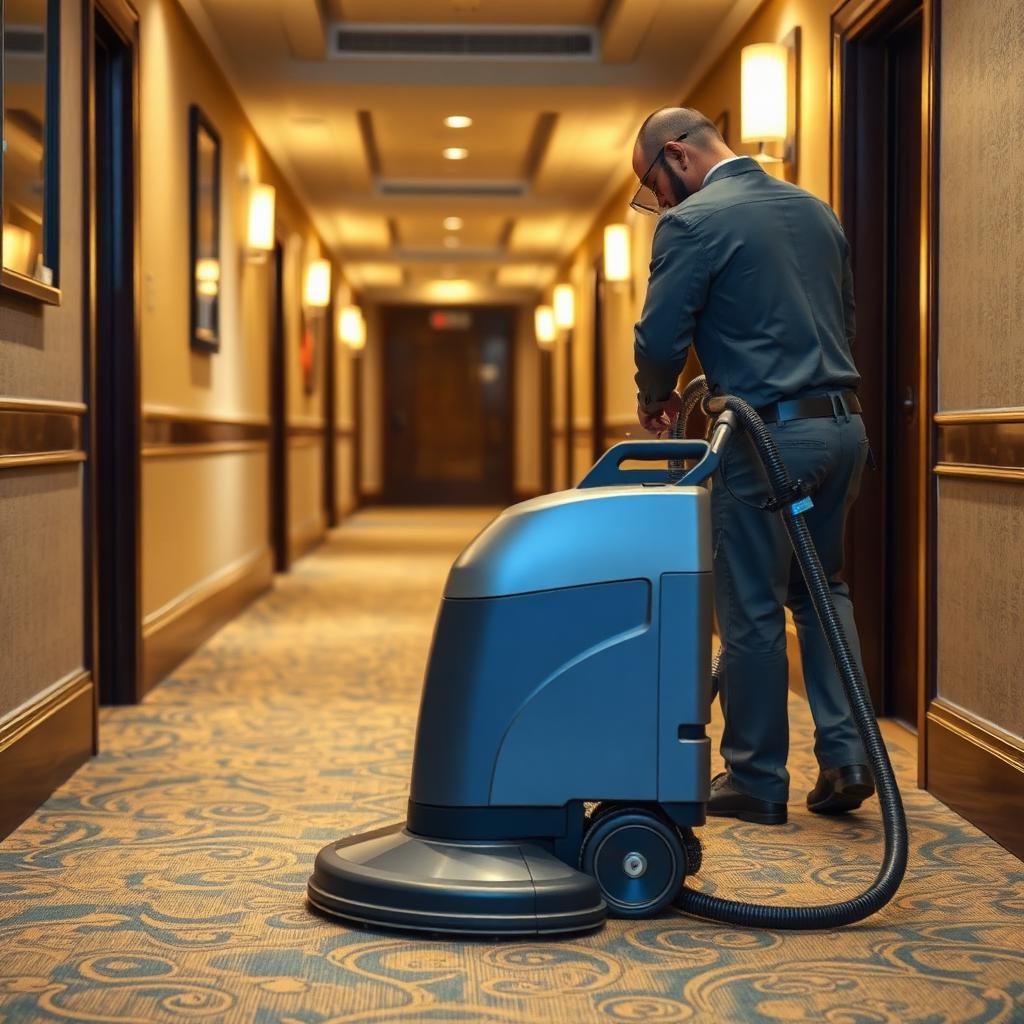
A janitorial team finishes a deep-clean of a high-traffic lobby restroom at 4:00 PM. The tiles are scrubbed, the stainless steel is polished, and the trash has been emptied. Yet, by 6:00 PM, a faint but unmistakable scent of sulfur and decaying organic matter begins to permeate the space. The surfaces are clinically clean, but the air suggests otherwise. For building engineers, this is a recurring frustration. You have verified that the P-traps are primed and the exhaust fans are pulling the correct CFMs, yet the complaints from tenants persist. The smell is not coming from the floor; it is rising from the dark, damp interior of the plumbing fixtures themselves.
Why does a restroom smell like a sewer despite rigorous cleaning schedules? Is the issue a localized blockage, or is it a systemic biological growth within the piping? How can you differentiate between a simple ventilation failure and a chemical imbalance in your drain lines? Understanding the science of what happens below the drain grate is the only way to move beyond temporary masking and toward a permanent solution.
At Luften, we design and manage engineered drain maintenance and odor control programs for commercial and residential facilities throughout the NYC tri-state area. It can be tricky to diagnose the source of a persistent smell when the visible environment is spotless, but there is a right answer for your situation.
This guide explores the mechanical and biological nature of drain biofilm, explaining why traditional bleach-based cleaning fails to solve the problem and how modern biological treatments work to degrade organic buildup. By the end of this article, you will understand the life cycle of drain-dwelling bacteria and how to implement a dosing strategy that keeps your facility’s air quality consistent with your cleaning standards.
The Anatomy of Biofilm vs. Surface Contamination
Surface cleaning targets the visible layer of soil, but the vast majority of odor-causing bacteria in a bathroom live inside the drain lines, protected by a matrix known as biofilm. Biofilm is a complex colony of microorganisms that secrete a slimy, extracellular polymeric substance (EPS). This slime acts as a physical shield, anchoring the bacteria to the interior walls of the pipes and protecting them from the flow of water and even harsh chemical flushes. Because biofilm is a structured community rather than a loose collection of dirt, standard liquid cleaners often glide right over the surface without penetrating the bacterial core.
When water flows through a drain, it provides a constant stream of nutrients—skin cells, soap scum, and hair—that feed these colonies. As the bacteria metabolize this organic matter, they release volatile organic compounds (VOCs) and gases like hydrogen sulfide. These gases are lighter than air and rise through the drain opening, bypassing the P-trap water seal if the biofilm has grown high enough up the pipe walls. Effective odor elimination requires a solution that can physically break down the EPS matrix rather than just sanitizing the top layer of the pipe.
Chemical Oxidizers vs. Biological Dosing
When a drain smells, the instinctive reaction is to pour bleach or a caustic acid down the pipe. While these oxidizers are effective at killing surface bacteria on contact, they are often counterproductive for long-term drain health. Strong chemicals can be heavy and fast-moving; they travel through the center of the pipe and out to the main sewer line without dwelling long enough to dissolve the thick biofilm attached to the pipe walls. Furthermore, excessive use of harsh chemicals can damage older cast iron pipes and kill the beneficial bacteria needed for downstream wastewater treatment. Switching from reactive chemical flushing to proactive biological dosing is the most effective way to maintain clear, odor-free drain lines.
Biological treatments utilize specific strains of non-pathogenic bacteria and enzymes designed to consume the organic fats, oils, and greases (FOG) that make up the biofilm. Unlike chemicals, these microbes are living organisms that colonize the pipe walls, essentially fighting fire with fire. They produce enzymes that break down complex organic molecules into simple food sources for the bacteria to digest. By establishing a healthy colony of beneficial microbes within the plumbing system, you create a self-sustaining environment that prevents the re-establishment of odor-producing sulfur bacteria.
Manual Cleaning vs. Automated Injection Systems
Many facilities rely on manual application, where a porter pours a measured amount of treatment down a floor drain at the end of a shift. While this is better than no treatment at all, it is subject to human error and inconsistent timing. If the treatment is poured during a period of high water usage, the active ingredients are washed away before they can adhere to the biofilm. To achieve consistent results, automated injection systems should be programmed to dose the lines during low-flow periods, typically between 2:00 AM and 4:00 AM, allowing the biological agents maximum dwell time.
Automated systems also ensure that the exact dosage is administered every single night, eliminating the waste associated with over-pouring and the odor spikes associated with missed applications. In a large facility with dozens of floor drains and sinks, automation is the only way to guarantee that the entire plumbing infrastructure is protected. Consistency is the most critical factor in drain maintenance; even a single missed day of treatment can allow the rapid regrowth of odor-causing bacterial colonies.
Choosing the Right Drain Program for Your Facility
Selecting a program depends largely on your building’s occupancy and the age of your plumbing. For high-traffic commercial buildings, a high-frequency biological dosing program is usually necessary to keep up with the constant influx of organic material. In residential settings, the focus may be more on preventing Uric Acid buildup in smaller diameter lines, which requires a different enzymatic profile.
Before implementing a solution, a thorough audit of the facility’s plumbing blueprints and current odor complaints is essential. You must determine if the odor is localized to a specific floor or if it is a vertical stack issue affecting the entire line. Once the scope is defined, the combination of mechanical cleaning to remove heavy obstructions and automated biological dosing to maintain the lines will yield the most reliable results.
Have a question or need support? Our team is here to help — we'll connect you with the right expert.