
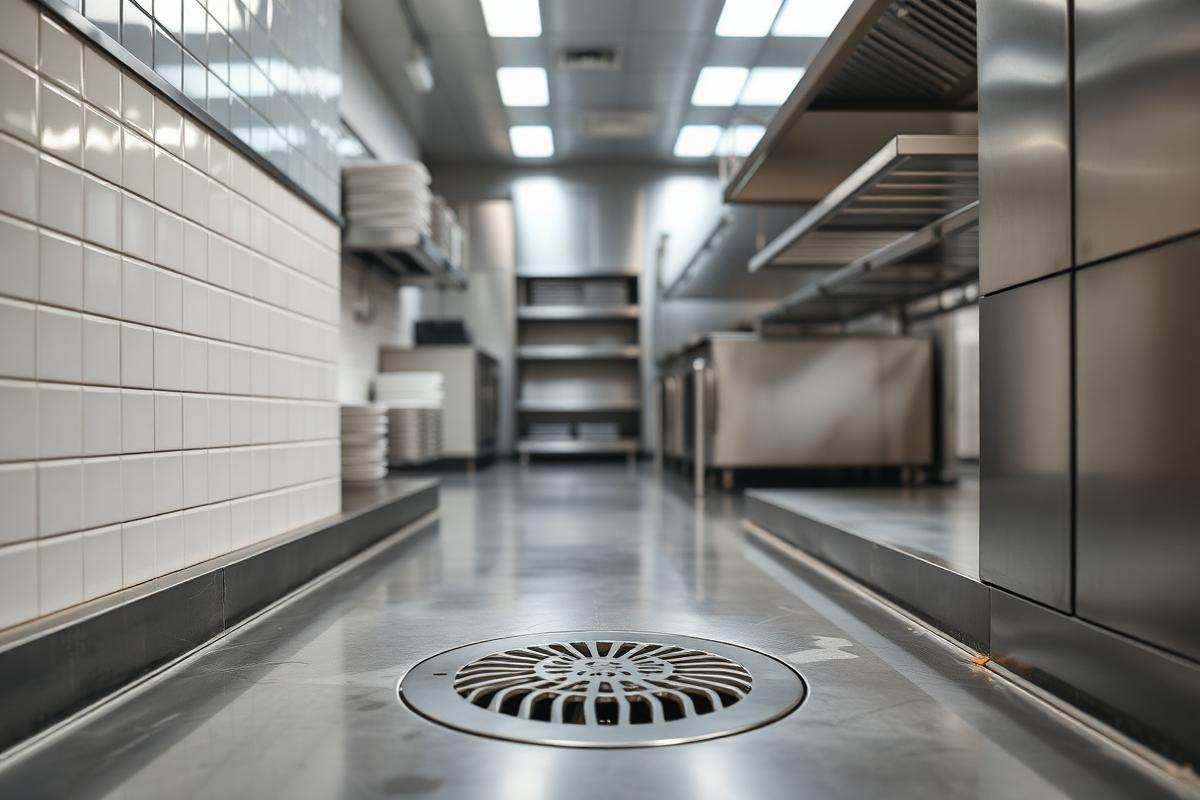
You are walking through the back-of-house corridor of a luxury hotel at 5:00 AM, and as you pass the floor drain near the ice machine, a small cloud of fuzzy, heart-shaped insects scatters into the air. Despite the janitorial team pouring bleach down that exact drain every Tuesday night, the insects return by Thursday afternoon, congregating around the moist rims of floor sinks and janitor closets. These are not typical fruit flies drawn to decaying produce; they are Psychodidae, commonly known as drain flies or sewer gnats, and their presence indicates a structural failure in your sanitation protocol rather than a simple lack of effort from your cleaning crew. The persistent buzzing around floor drains and sink overflows creates an immediate perception of poor hygiene, regardless of how polished the lobby floors might be.
Is the infestation localized to a single trap, or is it a symptom of a systemic issue within the building’s plumbing stack? Are you treating the adult flies you see, or are you addressing the microscopic habitat where they breed? Understanding the difference between a surface-level nuisance and a deep-seated biological problem is the first step toward reclaiming your facility.
At Luften, we engineer comprehensive drain and odor programs that target the root cause of facility maintenance challenges. It can be tricky to differentiate between various types of flying insects, but there is a precise scientific methodology for clearing your lines and keeping them clear.
This guide explores the lifecycle of the drain fly, the engineering behind why traditional chemical treatments fail to provide long-term results, and the specific biological strategies required to strip away the protective biofilm that serves as their primary breeding ground. By the end of this article, you will understand how to transition from reactive pouring to a proactive maintenance strategy that eliminates the environmental conditions these pests require for survival.
The Failure of Chemical Flushes vs. Biological Degradation
When faced with a swarm of sewer gnats, the most common response is to pour boiling water, bleach, or caustic degreasers down the drain. While these methods may kill a small percentage of adult flies on contact, they are largely ineffective against the thick, gelatinous layer of organic matter known as biofilm. Biofilm is a complex colony of bacteria and moisture that adheres to the interior walls of your pipes, acting as a protective shield for the larvae and pupae developing underneath. Caustic chemicals often flow right over the top of this rubbery matrix without penetrating the core where the flies are actually breeding.
To achieve true drain odor elimination, you must utilize biological treatments containing specific spore-forming bacteria that produce extracellular enzymes. These enzymes are designed to actually digest the proteins, fats, and starches that hold the biofilm together. Unlike bleach, which dissipates quickly, a biological treatment stays active in the trap and on the pipe walls, continuously consuming the food source that the flies depend on. Biological drain treatment represents a shift from temporary chemical sterilization to ongoing organic digestion, ensuring the pipe remains too clean to support a reproductive cycle.
Mechanical Cleaning vs. Continuous Dosing
Mechanical snaking or hydro-jetting can provide immediate relief by physically stripping away years of accumulated sludge, but these methods are disruptive and often leave behind microscopic remnants of organic material. In high-volume commercial environments, like those found in our New York service area, the buildup of fats, oils, and grease begins the moment the mechanical cleaning ends. If even a small patch of biofilm remains, the drain fly population can rebound within days because their lifecycle—from egg to adult—can be as short as one week in warm, humid conditions.
Continuous dosing systems offer a more reliable alternative by delivering a measured amount of biological culture into the lines during low-flow periods. This ensures that the bacteria have ample time to colonize the pipe surface and work through the heavy organic loads found in commercial kitchens and healthcare facilities. Automated dosing removes the variable of human error and ensures that the drain lines are treated at the precise time when the chemistry will have the highest residency time and maximum impact. This approach is particularly critical for large-scale operations that also manage grease trap maintenance, as the biological load in the upstream lines directly affects the health of the downstream interceptor.
Source Treatment vs. Environmental Masking
It is tempting to try and manage the symptoms of a drain issue by using heavy fragrances or air fresheners to cover up the musty smell that often accompanies a fly problem. However, while scent marketing is an effective tool for brand elevation, it should never be used to compensate for a lack of sanitation. If you have flies, you have an active decomposition site within your walls. Masking the odor does nothing to stop the flies from migrating from the basement drains into public-facing areas like the lobby or dining room.
Identifying the source often requires looking beyond the obvious floor drain. Sewer gnats can breed in any area where moisture and organic matter collect, including the condensate lines of HVAC units, the cracks under heavy kitchen equipment, or even the damp walls of an elevator pit. Effective pest management requires a holistic view of the facility's water management system, ensuring that every potential breeding site—from the roof drains to the sub-basement ejector pits—is accounted for in the maintenance plan. For facilities with complex infrastructure, regular lift station & ejector pit care is vital to prevent these deep-well areas from becoming the primary reservoir for a building-wide infestation.
Choosing the Right Drain Strategy for Your Facility
Selecting a solution for drain flies requires an assessment of your building's specific plumbing architecture and the organic load being introduced into the system. A commercial kitchen producing high volumes of grease requires a different bacterial strain and frequency of treatment than a commercial office building dealing with uric acid scale in the restrooms. The goal is to create an environment that is biologically inhospitable to the flies while maintaining the integrity of your plumbing infrastructure.
Start by auditing your most problematic drains and identifying if the issue is a slow-moving clog or a consistent film buildup. For most facilities, a combination of initial deep-cleaning and a sustained biological maintenance program provides the most cost-effective and long-term results. By focusing on the removal of the biofilm, you address both the pest problem and the underlying odor issues simultaneously.
The most successful programs are those that integrate seamlessly into your existing engineering workflows, providing a "set and forget" solution that delivers consistent results without requiring constant supervision. When you stop treating the flies as an isolated pest problem and start treating the drains as a living biological system, the infestations will naturally cease.
Have a question or need support? Our team is here to help — we'll connect you with the right expert to evaluate your facility's needs and talk to our team to find a permanent solution.