
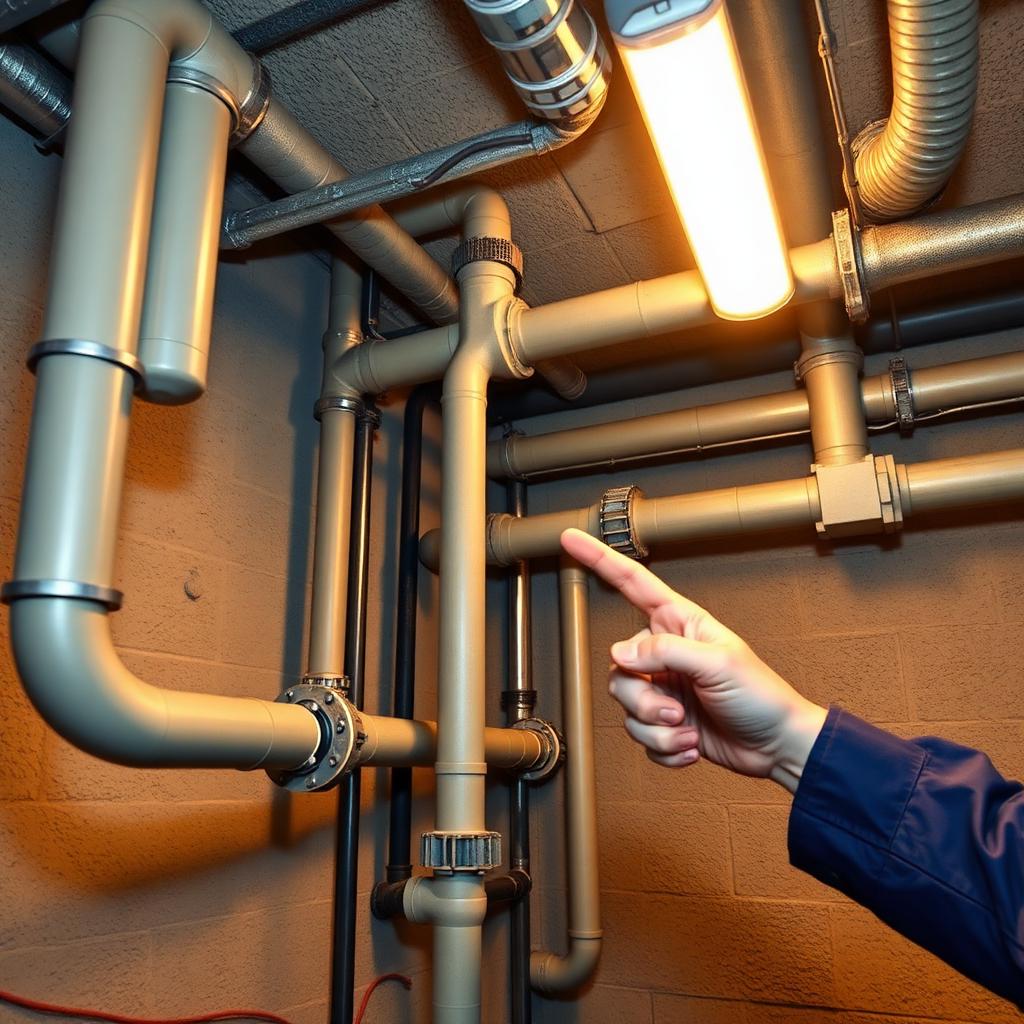
10 field-tested tips
- 1Every drain that smells has a dry trap, a broken trap, or a biofilm colony — start there before dosing.
- 2Pour a quart of water into every floor drain monthly to keep traps sealed.
- 3Install auto-primers on floor drains in seasonal areas (mechanical rooms, storage).
- 4Snake and enzyme-treat any drain with a 12-month backup history.
- 5Never use caustic drain openers on a chronic-odor line — they destroy the trap coating and worsen odor.
- 6Camera-inspect any drain that keeps smelling despite treatment — the answer is usually a belly or a break.
- 7Check the roof vent stack for bird nests, ice, or debris; a blocked vent = sewer gas indoors.
- 8In restrooms, biofilm on the underside of the urinal rim is the top hidden odor source.
- 9Enzyme drain gel dosed weekly outperforms monthly liquid; contact time matters more than volume.
- 10Kitchen prep sinks need a grease-specific treatment, not a general drain treatment.
Why it matters
Odor complaints can travel beyond the defective fixture through pipe penetrations, service shafts, and return air paths. The room where occupants notice the smell may not contain the source. Tracking operating conditions helps distinguish a local fixture problem from gas moving through the building.
Practical steps
Record where the odor starts and whether it coincides with fixture use, exhaust operation, or wet weather. Check accessible cleanout caps for missing plugs or damaged seals. Look for loose toilets, staining around fixture bases, and gaps around waste piping. Note gurgling or changing bowl water levels when nearby fixtures discharge. Inspect sink overflows and tailpieces for residue that routine surface cleaning misses. Keep findings in the maintenance log.
When to call a professional
Call a licensed plumber for leaking connections, unstable toilet seals, or symptoms affecting connected fixtures. Persistent sewer odor warrants urgent investigation. If occupants develop dizziness or eye irritation, leave the affected area and contact emergency responders. Never enter a pit to investigate a smell.
How Luften handles it
Luften offers a free on-site walkthrough to identify odor sources and provide a written treatment recommendation. Monthly managed programs and documented service visits support ongoing drain and odor maintenance after plumbing defects are corrected.
Drain odor eliminationWant Luften to run this program for you?
Patented chemistry, managed dispensing, and one vendor for chute, waste room, pit, lift station, elevator pit, restroom, and signature scent.