
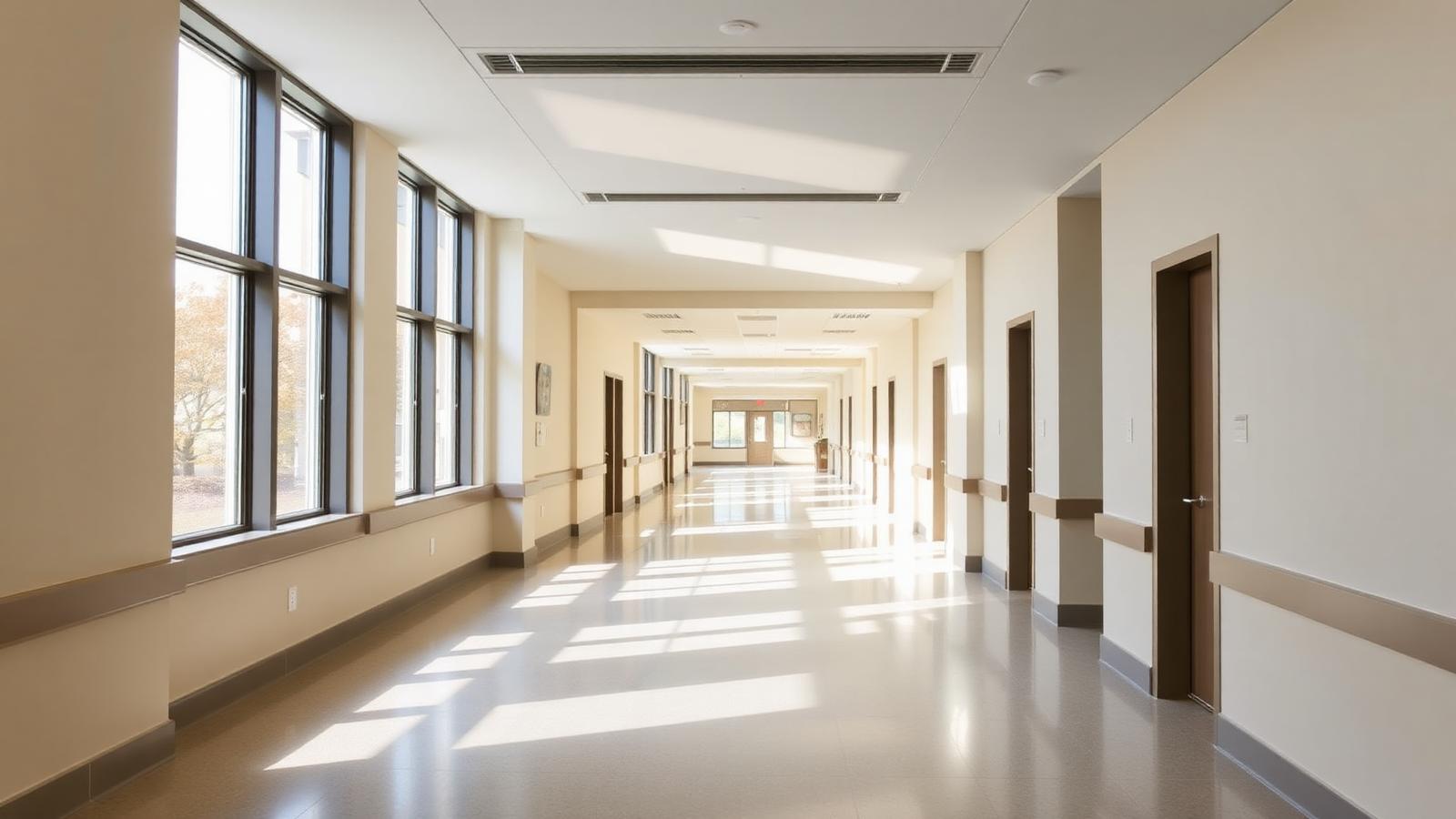
A potential resident and their family walk through the front doors of your facility for a scheduled tour. The lobby is pristine, but as you transition into the skilled nursing wing, the sharp, unmistakable scent of ammonia hits. Your environmental services team mopped the floors an hour ago, yet the odor persists, trapped in the carpet fibers and the porous grout lines of the transition strips. You realize that to the family, this smell doesn't just represent a cleaning failure; it represents a perceived lapse in clinical care quality and dignity for the residents living there.
How do you distinguish between a surface-level spill and a deep-seated bacterial issue? Is your current chemical program actually breaking down the urea, or is it simply layering a floral fragrance over a biological problem? Determining whether you need a topical enzymatic intervention or a continuous atmospheric neutralization system is the difference between a temporary fix and a sustainable environment.
At Luften, we design and implement engineered odor control programs for healthcare and residential facilities throughout the tri-state area. It can be tricky to balance the heavy-duty chemistry required for clinical disinfection with the delicate nature of resident comfort, but there is a right answer for your situation.
This guide examines the science of uric acid degradation and the specific methodologies required to maintain odor-neutral senior living corridors. By the end of this article, you will understand the difference between encapsulation and enzymatic breakdown, how to address subsurface contamination in flooring, and when to deploy cold-air nebulization technology to manage ambient air quality.
Bioenzymatic Digestion vs. Chemical Masking
Traditional floor cleaners and disinfectants are designed to kill pathogens, but they often lack the specific biological components necessary to dismantle the complex structure of uric acid crystals. When urine dries, it forms highly concentrated salts that remain trapped in porous surfaces, even after the liquid has been mopped away. These salts react with humidity in the air to release ammonia gas, which is why odors often seem more pungent on humid days or shortly after a standard cleaning.
To solve this, clinical teams must utilize bioenzymatic digesters that produce specific enzymes to break down these salts into carbon dioxide and water. Unlike masking agents that use heavy perfumes to hide the smell, these biological agents consume the food source that odor-causing bacteria thrive on. Integrating specialized [odor control programs](/odor) that focus on molecular digestion rather than fragrance coverage ensures that the root cause of the ammonia scent is physically removed from the environment.
Treating Soft Surfaces vs. Hard Flooring
Senior living corridors often feature a mix of high-performance carpeting and luxury vinyl tile, each requiring a different mechanical approach to odor remediation. In carpeted areas, urine can seep through the primary backing and into the subfloor, creating a reservoir of organic matter that remains out of reach for standard vacuuming or light extraction. In these cases, a subsurface extraction tool must be used in tandem with an encapsulating agent that surrounds the odor molecule, preventing it from off-gassing while the enzymes work.
Hard flooring, while seemingly easier to clean, presents its own challenges in the form of grout lines and baseboard junctions where liquids pool and calcify. If you find that odors persist despite daily mopping, the issue is likely a buildup of biofilm in these microscopic crevices. Effective [restroom odor control](/odor/restroom) and corridor maintenance require penetrating chemistry that can reach beneath the surface tension of the flooring to dislodge uric acid crystals.
Continuous Atmospheric Neutralization vs. Scheduled Cleaning
Even with a rigorous manual cleaning schedule, intermittent odors are inevitable in a high-acuity healthcare setting. Manual cleaning is reactive, occurring only after an event has been identified, whereas atmospheric neutralization provides a proactive layer of protection. This is where technology like the Aero Machine becomes essential, using cold-air nebulization to disperse dry vapor particles that stay suspended in the air longer than traditional aerosols.
These systems do not rely on moisture, which is critical in healthcare environments where increased humidity can lead to slip-and-fall risks or mold growth. By integrating these systems with your facility's HVAC infrastructure, you can maintain a consistent baseline of air purity across large common areas. Utilizing [HVAC scent diffusers](/hvac-scent-diffuser) to distribute neutralizing agents allows for 24/7 odor management without adding labor hours to your environmental services staff.
Managing Secondary Odor Sources
While urine is the primary concern in resident corridors, secondary sources like soiled utility rooms and floor drains can contribute to the overall olfactory profile of the wing. Floor drains that are not regularly used can have their P-traps dry out, allowing sewer gases to enter the clinical space and mingle with biological odors. This creates a complex odor profile that is difficult to diagnose without a systemic audit of the plumbing and waste management areas.
Regular maintenance of these secondary zones, including the application of biological maintainers to pipes, prevents the backup of organic solids that lead to foul air. Implementing a consistent protocol for [drain odor elimination](/drain-odor-elimination) prevents sewer gas migration from undermining your surface cleaning efforts in resident hallways. By addressing both the floor surfaces and the hidden drainage systems, you create a comprehensive barrier against malodors.
The Chemistry of Uric Acid vs. Standard Disinfectants
When urine enters a porous surface like carpet padding or floor grout, it begins a transition from a liquid state to a crystalline state. As the moisture evaporates, it leaves behind uric acid crystals that are insoluble in water and resistant to most general-purpose cleaners. Traditional disinfectants are designed to kill bacteria on contact, but they often lack the surfactants or biological components necessary to dissolve these hardened crystals. The most effective way to eliminate the source of the odor is to utilize a bio-enzymatic digester that physically consumes the organic matter rather than just sanitizing the surface. When these enzymes are applied, they remain active as long as there is a food source and moisture present, penetrating deep into the substrate where mops and cloths cannot reach. If your team only uses a standard quaternary ammonium cleaner, they may kill the bacteria, but the uric acid crystals remain, waiting to be reactivated by humidity or subsequent spills.
Choosing the Right Program for Your Facility
Selecting a program requires an assessment of your facility's specific foot traffic, flooring types, and existing HVAC capabilities. A standard nursing home wing with older plumbing may require more aggressive drain maintenance and subsurface carpet extraction, while a modern assisted living facility might focus more on ambient air quality and lobby aesthetics. The goal is to create a clinical environment that feels residential rather than institutional.
Your strategy should prioritize products that are VOC-compliant and safe for residents with respiratory sensitivities. By moving away from reactive spraying and toward a combination of bioenzymatic surface treatment and continuous nebulization, you can ensure that the first impression your facility makes is one of cleanliness and professional care. The most effective senior living programs are those that treat odor as a clinical measurement of environmental hygiene rather than a housekeeping nuisance.
Have a question or need support? Our team is here to help — we'll connect you with the right expert.