
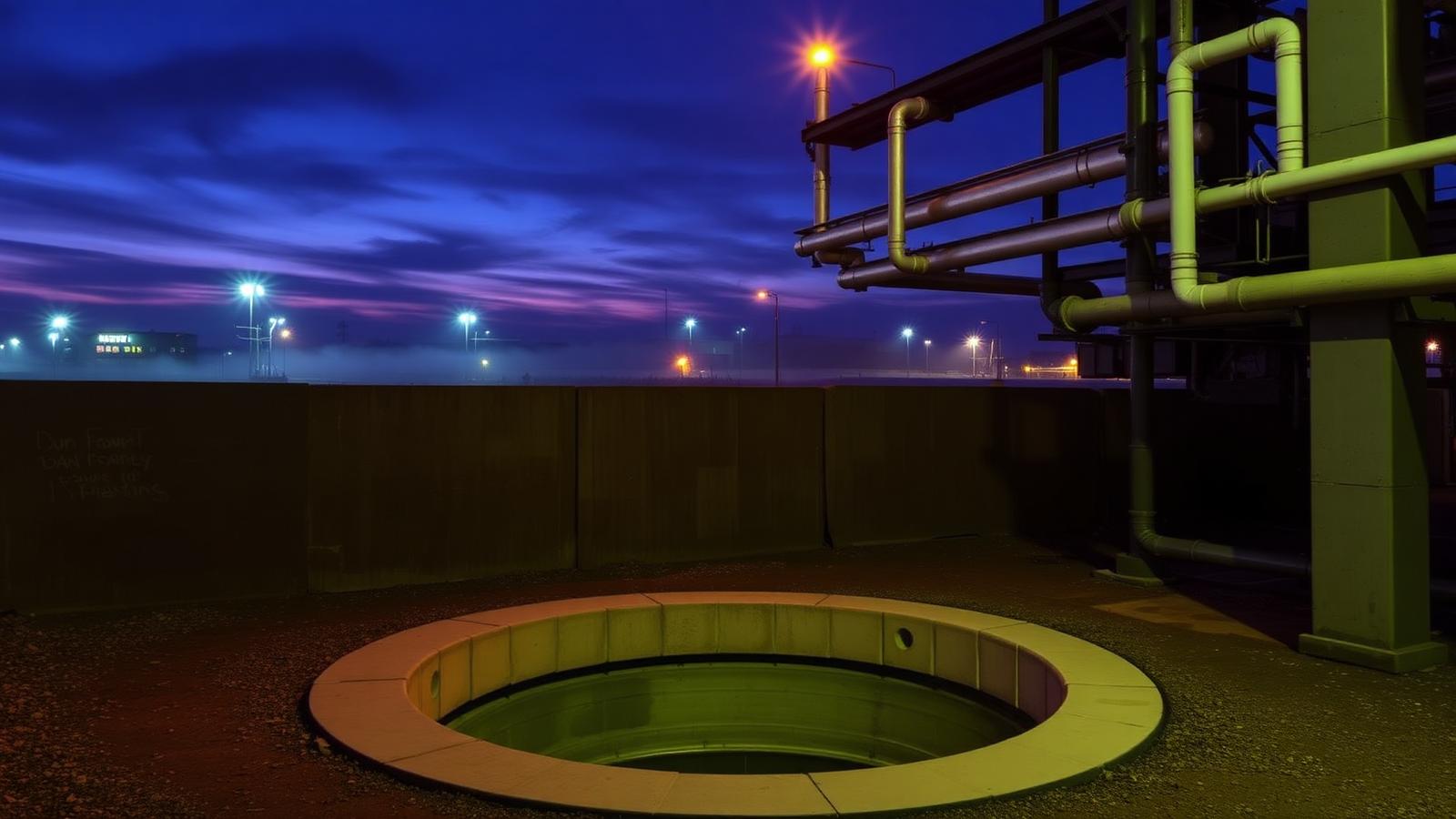
10 field-tested tips
- 1Walk the property weekly with a printed complaint log; patterns emerge in 3 walks.
- 2Use a $200 H₂S meter in every pit; log ppm quarterly.
- 3Track complaints by location, time-of-day, and weather to isolate root causes.
- 4Sniff-test at guest-experience touchpoints: front door, elevator, corridor, restroom, lobby seating.
- 5Photograph dispensers monthly; damaged/empty units account for most 'sudden' complaints.
- 6Publish a monthly odor scorecard to the GM and ownership — visibility drives budget.
- 7Rotate the auditor; the same nose habituates.
- 8For hospitality, include odor in guest-comment analysis by keyword.
- 9Correlate complaints with turnover events, contractor visits, and haul-away days.
- 10Set an SLA: acknowledge a complaint in 15 min, respond on-site in 4 hours, root-cause in 48 hours.
Why it matters
An audit should show whether the work performed changed conditions, not just whether a vendor visited. Separate source removal, equipment operation, and occupant experience in your records. A space that smells acceptable after treatment may still have standing waste, a leaking seal, or an exhaust fault.
Practical steps
Give each asset a consistent identifier and connect its service record to the related work order. Check dosing reservoirs, tubing, pump settings, and actual chemical drawdown; a running pump does not prove delivery. Look for pooled leachate, missing drain covers, dry traps, and damaged access-cover seals. Have building engineering verify exhaust operation and airflow direction at affected doorways. Record the product used, corrective action, responsible party, and evidence needed to close the issue. Recheck under comparable operating conditions before marking a repair complete. Keep unresolved findings visible through staff and vendor handoffs.
When to call a professional
Call a qualified professional when odor returns despite completed maintenance, the source is inaccessible, or readings and complaints disagree. Persistent sewer smell warrants urgent investigation. Do not open or enter a pit to complete an audit. Odor intensity cannot establish atmospheric safety; suspected gas exposure requires the building's emergency procedures.
How Luften handles it
Luften offers a free on-site walkthrough to identify odor sources and provide written treatment recommendations. Managed service programs include documented visits, with inspection reports and photo documentation in most programs. Odor, drains, grease, trash, and scenting can be consolidated under a single contract.
Odor control servicesWant Luften to run this program for you?
Patented chemistry, managed dispensing, and one vendor for chute, waste room, pit, lift station, elevator pit, restroom, and signature scent.