
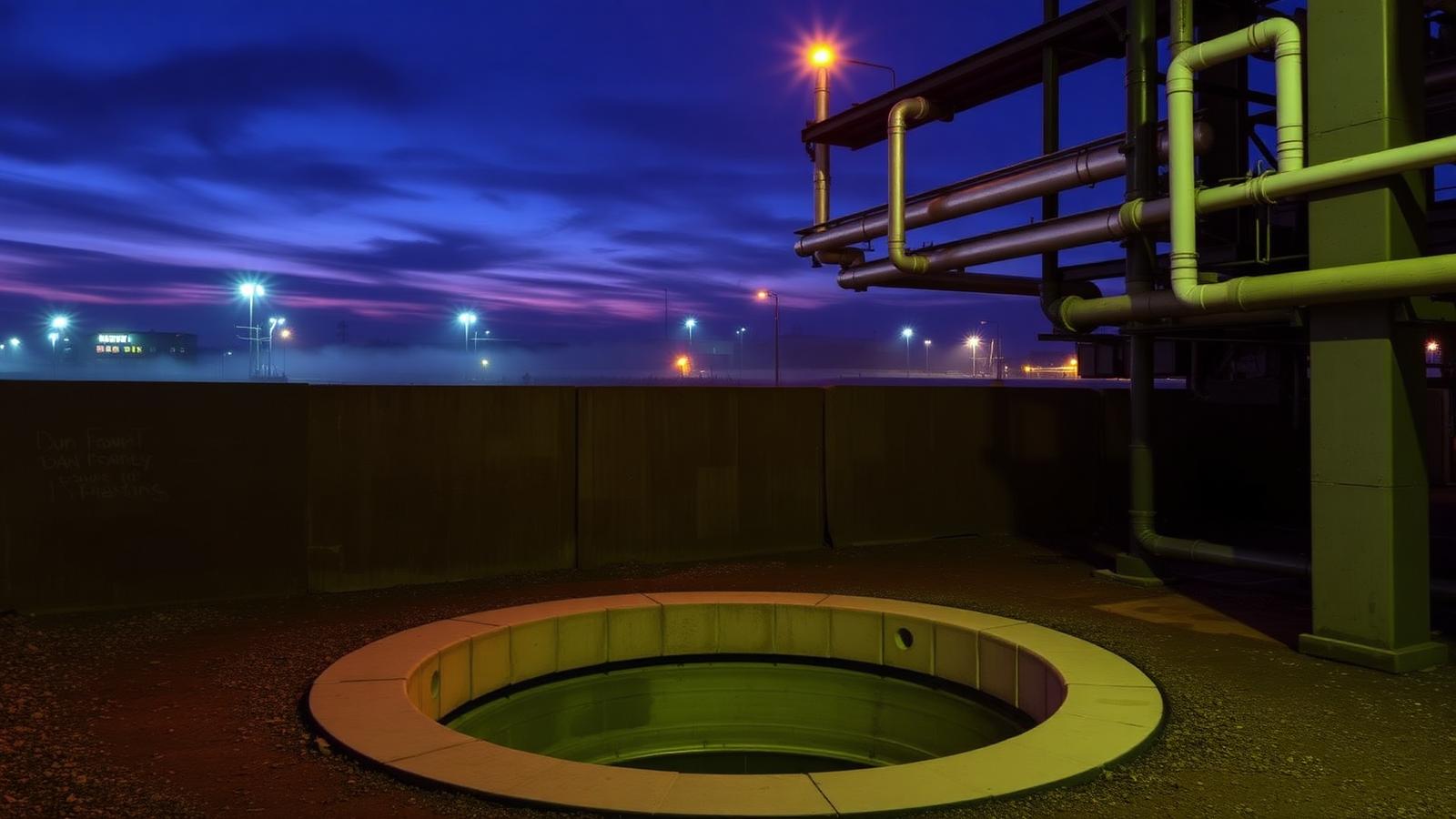
10 field-tested tips
- 1Never enter a pit reading 10+ ppm H₂S without SCBA — this is a fatality-class hazard.
- 2OSHA PEL for H₂S is 20 ppm ceiling; complaints below that number are still real.
- 3Post confined-space entry procedures at every pit, wet well, and elevator pit.
- 4Verify all treatment chemistry has current SDS on file; property managers get asked.
- 5Use only NSF-listed treatments in kitchens and food-service areas.
- 6In healthcare, prefer fragrance-free and low-VOC — chemical sensitivity is a documented complaint category.
- 7Chlorine dioxide and ozone must be used in unoccupied spaces only.
- 8PPE for enzyme treatments: gloves and eye protection minimum.
- 9For elevator pits and mechanical rooms, coordinate lockout/tagout with engineering.
- 10Train all frontline staff on 'smell it, report it' — early detection prevents crises.
Want Luften to run this program for you?
Patented chemistry, managed dispensing, and one vendor for chute, waste room, pit, lift station, elevator pit, restroom, and signature scent.