
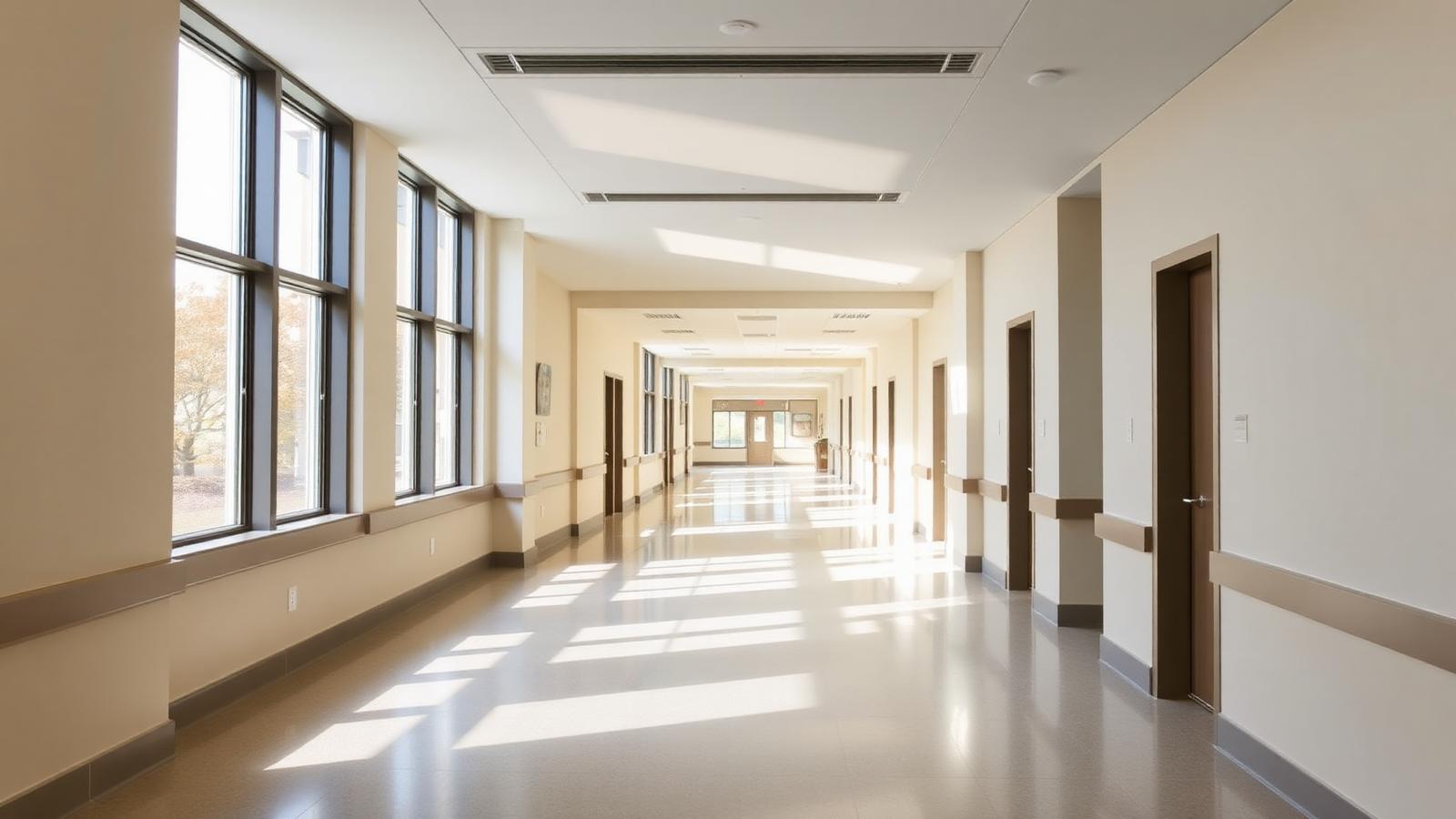
10 field-tested tips
- 1Never fragrance a patient room — chemical sensitivity in immune-compromised patients is a real risk.
- 2Use fragrance-free enzyme cleaners on all bodily-fluid events, within 5 minutes when possible.
- 3Change privacy curtains between patients on a documented schedule — they hold odor and pathogens.
- 4Deep-clean commode chairs daily, not weekly.
- 5Empty biohazard bins from the room within 30 minutes of a procedure.
- 6Ventilate isolation rooms with negative pressure and HEPA exhaust — code, and odor control both.
- 7Steam-clean floors weekly with a hospital-grade unit; damp-mopping only smears biofilm.
- 8Audit the med-surg floor with an environmental services director monthly.
- 9Train aides to spot-clean the moment an incontinence event happens — every minute worsens uric absorption.
- 10For long-stay units, rotate the enzyme product family quarterly to prevent bacterial adaptation.
Why it matters
Persistent odor can point to a concealed moisture problem, a plumbing defect, or contaminated material that routine cleaning misses. Record where the odor is strongest and whether it changes when fixtures run, doors close, or ventilation operates. That pattern helps separate a room-level source from a building-system problem.
Practical steps
Check mattress covers for split seams and inspect bed frames, furniture joints, and wall protection for trapped residue. Remove damaged porous materials from use pending assessment. Inspect sink overflows, drain traps, toilet seals, and nearby plumbing access panels. Look for damp insulation, condensate leaks, and stained ceiling tiles. Keep supply grilles and exhaust openings clear. Route cleaning-product changes through infection prevention and follow equipment compatibility instructions; odor removal does not replace required disinfection.
When to call a professional
Call engineering when odor returns after cleaning, affects adjacent rooms, or follows plumbing use. Have qualified staff verify airflow against the room's intended function rather than adjusting pressure to chase a smell. Escalate suspected sewer gas, active leaks, or occupant symptoms through the facility's safety procedures. Do not open wastewater pits or enter service spaces to investigate.
How Luften handles it
Luften offers a free on-site walkthrough to identify odor sources and provide a written treatment recommendation. Managed service programs can address drains, wastewater systems, and trash areas under a single point of contact, with documented service visits and inspection reports.
Odor source assessment and serviceWant Luften to run this program for you?
Patented chemistry, managed dispensing, and one vendor for chute, waste room, pit, lift station, elevator pit, restroom, and signature scent.