
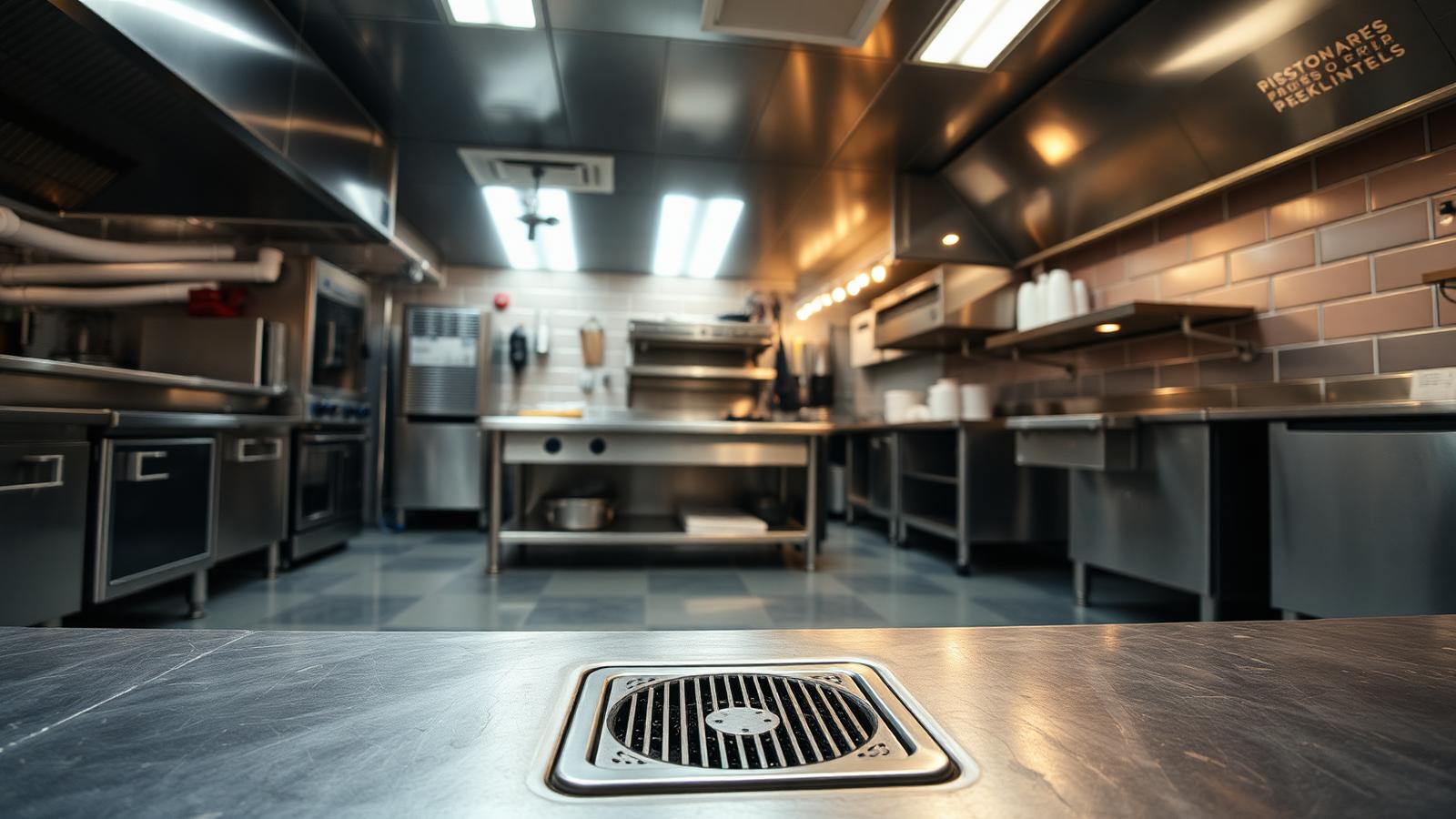
10 field-tested tips
- 1Ventilate the dining room independently from the kitchen; overlap forces grease vapor into the dining seats.
- 2Add a carbon polishing stage on the rooftop exhaust if neighbors complain.
- 3Fog the walk-in weekly with a food-safe treatment; walk-ins are hidden odor sources.
- 4Enzyme-treat bar drains daily — beer/wine sugars ferment fast in trap water.
- 5Post-dinner mop with an enzyme, not a fragrance — you're removing the biology, not covering it.
- 6Signature scent the entry vestibule only; scenting the dining room competes with the food.
- 7Isolate the trash exit from the arriving-guest path.
- 8Coffee grounds absorb kitchen odor — used grounds in the trash bin actually help.
- 9Empty and rinse floor mats nightly; mats hold spilled drink sugars.
- 10Audit the ice machine drain monthly; slime in the ice drain becomes a mysterious bar-area smell.
Why it matters
Dining-room odor complaints often start with a pressure change rather than a missed cleaning task. Exhaust can pull air through plumbing penetrations, service corridors, or poorly sealed doors. A smell that appears during cooking, dishwashing, or deliveries gives building engineers a useful clue about its route into occupied areas.
Practical steps
Record where the odor is strongest and which equipment is running. Check that makeup-air fans operate with the kitchen exhaust and that intake grilles are clear. Look for failed door sweeps and gaps around utility penetrations. Inspect the grease interceptor cover and gasket for leakage without opening it during service. Check seldom-used floor drains for standing trap water. Inspect beverage drip trays, soda-gun holsters, and inaccessible cabinet bases for sticky residue. Keep cleaning chemicals separate and follow product directions.
When to call a professional
Call an HVAC contractor when odors track fan operation or doors become difficult to open. Bring in a plumber for recurring trap-water loss, leaking interceptor covers, or sewer odor that returns after cleaning. If a sudden strong sewer odor causes irritation or dizziness, clear the affected area and seek emergency assistance.
How Luften handles it
Luften offers a free on-site walkthrough to identify odor sources and provide written treatment recommendations. Managed programs can coordinate odor, drain, grease, and trash services, with documented visits for facility records.
Restaurant odor control servicesWant Luften to run this program for you?
Patented chemistry, managed dispensing, and one vendor for chute, waste room, pit, lift station, elevator pit, restroom, and signature scent.