
10 field-tested tips
- 1Uric acid → enzyme cleaner labeled specifically for urine (not general).
- 2Sewer gas / H₂S → oxidizing or vapor-phase neutralizer + source treatment.
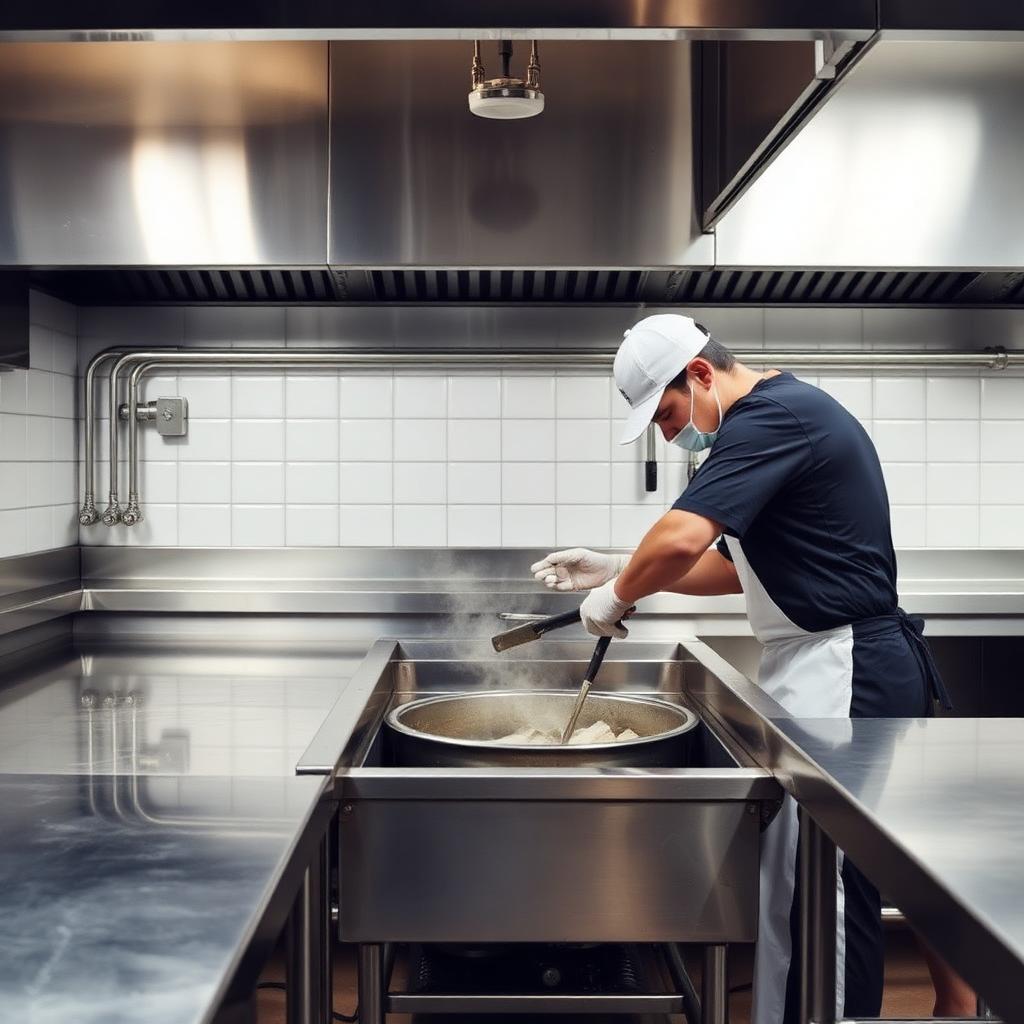
- 3Grease / FOG → oxygen-enhanced biological + mechanical cleaning.
- 4Mildew / MVOC → hydroxyl or botanical after moisture is fixed.
- 5Cannabis / smoke → hydroxyl, ozone (unoccupied), or oxidizing sealer.
- 6General malodor / ambient → encapsulation-based passive or metered dispenser.
- 7Food waste / dumpster → biological encapsulation with residual action.
- 8Vomit / bodily fluid → enzyme carpet spotter within 5 min of the event.
- 9Skunk (or skunk-like) → hydrogen peroxide + baking soda + surfactant, then rinse.
- 10Perfume/fragrance sensitivity zones → unscented enzyme + HEPA + carbon only.
Why it matters
A suitable product can still fail when residue blocks contact, dilution is wrong, or the treated surface cannot tolerate it. Porous materials may hold contamination beneath a clean-looking face. Airborne treatment does not repair leaking seals, remove sludge, or correct moisture intrusion. Judge the result after the product’s own scent has cleared, not while the room smells freshly treated.
Practical steps
Locate the contaminated material before ordering chemistry. Check nearby drains, concealed edges, carpet backing, and ventilation paths rather than treating only where complaints occur. Read the label and safety data sheet for approved surfaces, application method, protective equipment, ventilation, and reentry requirements. Remove accessible soil, then test an inconspicuous area for discoloration or finish damage. Follow labeled dilution and contact instructions; stronger mixtures can leave residue or damage finishes. Never mix products, and check compatibility before switching treatments. Record the product, location, application conditions, and whether odor returns during normal use.
When to call a professional
Call a professional when the source is concealed, treatment repeatedly fails, or application requires controlling access or shared airflow. Persistent sewer odor needs urgent investigation, not another deodorizer. Keep staff out of pits and wet wells. Ozone work requires controlled vacancy and verified safe reentry.
How Luften handles it
Luften offers a free on-site walkthrough to identify odor sources and provide a written treatment recommendation. Managed service programs include documented visits and can consolidate odor, drain, grease, trash, and scenting work under a single point of contact.
Odor control servicesWant Luften to run this program for you?
Patented chemistry, managed dispensing, and one vendor for chute, waste room, pit, lift station, elevator pit, restroom, and signature scent.