
10 field-tested tips
- 1Treat holding tanks with formaldehyde-free biological deodorizer.
- 2Ventilate the bilge — a dry bilge doesn't smell.
- 3Enzyme-treat the head daily on charter vessels.
- 4Fog cabins between charters with a hydroxyl or ozone unit.
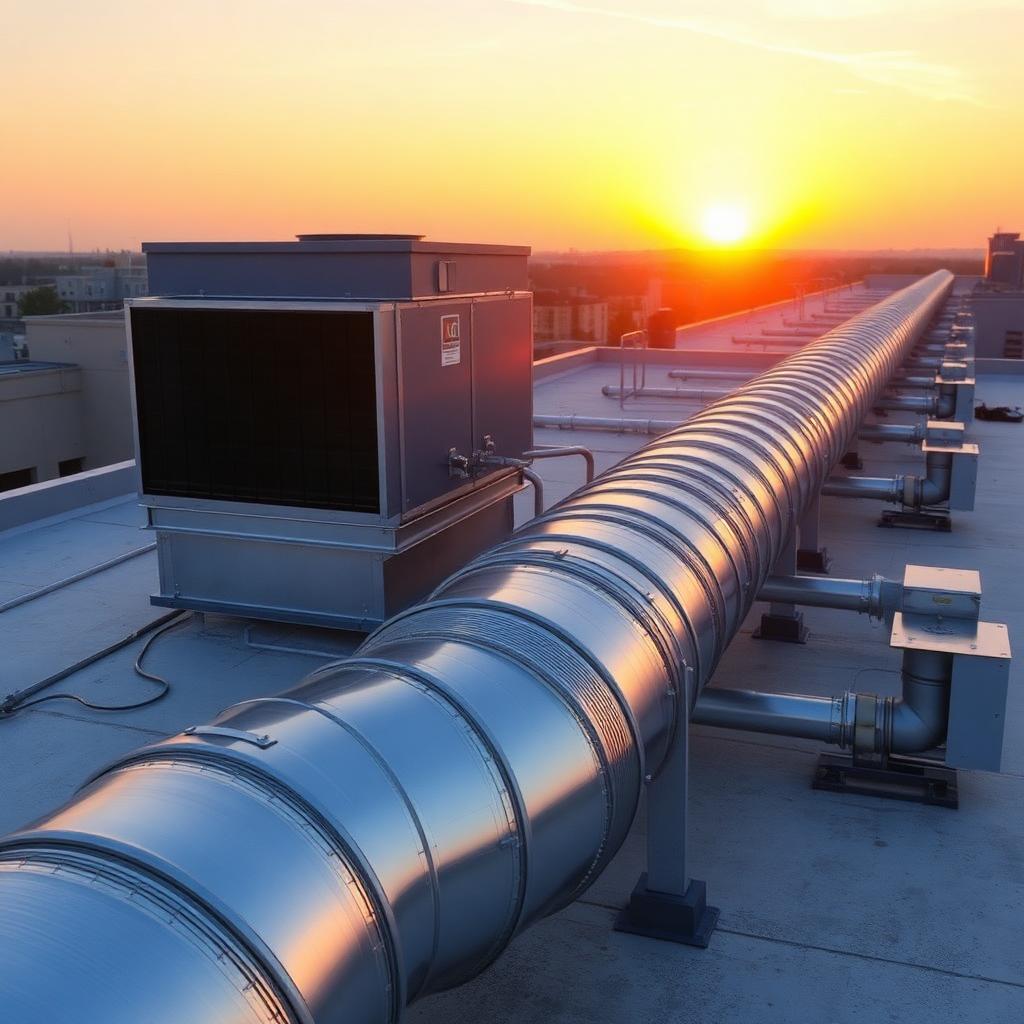
- 5Replace HVAC ducting on older vessels; salt-corroded ducts become permanent odor sources.
- 6Address diesel exhaust with routing, not chemistry.
- 7For cruise ships, program corridor scenting per deck — different demographics smell differently.
- 8Provision spare treatment chemistry before departure — resupplying at sea isn't an option.
- 9Rinse open decks with an enzyme after pet or food service.
- 10For long charters, budget a mid-voyage deep-clean treatment.
Why it matters
Odor complaints aboard a vessel often follow airflow rather than the location of the leak or residue. A cabin may receive contaminated air from a service space, plumbing chase, or nearby exhaust outlet. Finding that pathway prevents repeated cleaning of unaffected finishes and helps engineering staff distinguish housekeeping work from plumbing or mechanical repairs.
Practical steps
Record where the odor appears and whether it changes with vessel movement, tank use, galley operation, or cabin exhaust. Inspect sanitation hose connections, access covers, and vent lines for leakage, loose clamps, blockage, and odor permeation through hose walls. Check shower sumps, condensate pans, refrigerator drains, and concealed spaces beneath removable flooring for retained water or organic debris. Confirm that exhaust systems discharge away from outdoor air intakes and occupied areas. Keep cleaning products compatible with onboard wastewater equipment and surface materials. Ozone treatment requires an unoccupied, isolated space and verified safe reentry conditions; it is not an occupied-cabin treatment.
When to call a professional
Bring in a marine plumbing or mechanical specialist when odors persist after accessible residues are removed, hoses appear permeated, or suspected leaks sit behind finishes. Fuel odors, exhaust intrusion, and suspected sewer gas require immediate escalation through the vessel's safety procedures. Do not enter tanks or enclosed service spaces to investigate by smell.
How Luften handles it
Luften offers a free on-site walkthrough, written treatment recommendations, managed service programs, and documented visits in the NYC metro area. Discuss dockside access and service scope before scheduling. Odor, drain, grease, trash, and scenting services can be coordinated through a single point of contact.
Odor control servicesWant Luften to run this program for you?
Patented chemistry, managed dispensing, and one vendor for chute, waste room, pit, lift station, elevator pit, restroom, and signature scent.