
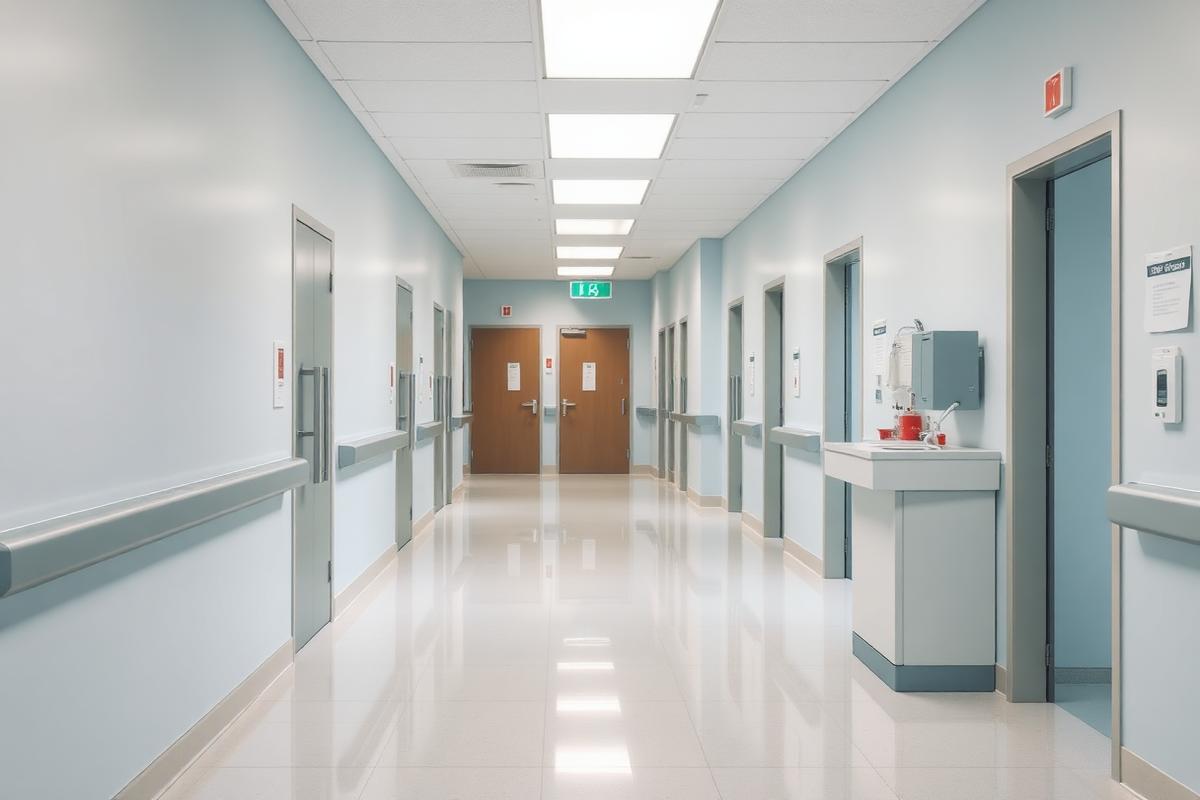
A patient arrives for a four-hour dialysis treatment, already managing the physical fatigue of chronic kidney disease. As they transition from the waiting area to the clinical floor, they are met not with a clean environment, but with the lingering, sharp scent of sanitizers mixed with the distinct biological odors often present in high-volume renal care units. The HVAC system cycles, but instead of clearing the air, it simply moves the heavy scent of ammonia and organic waste from the utility room into the patient bays. You see a patient pull their sweater over their nose, a clear sign that the environment is compromising their comfort during an already difficult procedure.
How do you neutralize clinical odors without triggering sensitivities in immunocompromised patients? Should you focus your efforts on the floor drains, the trash collection areas, or the ambient air itself? Is there a way to achieve a neutral baseline without relying on heavy masking fragrances that can cause respiratory distress?
At Luften, we design and implement engineered odor-control programs for complex healthcare environments. It can be tricky to manage the specific chemical and biological profiles of a dialysis center, but there is a right answer for your situation.
This guide examines the science of odor neutralization in a dialysis setting, focusing on the transition from masking scents to molecular encapsulation. You will learn how to identify the primary sources of odors in renal clinics, the difference between fragrance-based and fragrance-free neutralization, and how to implement a consistent program that protects patient health while maintaining a high standard of facility cleanliness.
Source Treatment vs. Air Masking
In a healthcare setting, the most common mistake is attempting to cover a biological odor with a floral or citrus fragrance. In a dialysis center, odors typically originate from two places: the collection of medical waste and the buildup of organic matter in the plumbing. When you spray an aerosol into the air, you are simply adding more particulate matter for the patients to breathe without addressing the urea or sulfur compounds at the source. Effective healthcare odor control requires molecular neutralization that bonds with and alters the structure of the odor molecule rather than just layering a scent on top of it. This is particularly important for patients who may experience nausea during treatment, as heavy perfumes can exacerbate their symptoms.
Addressing Drains and Biofilms
Floor drains in clinical areas are frequent culprits for persistent smells, especially if they are not used regularly or if they collect rinse water from medical equipment. Over time, a biofilm—a complex colony of bacteria—develops inside the pipe, releasing hydrogen sulfide or ammonia gases back into the patient care areas. While traditional bleach treatments might provide a temporary fix, they often fail to penetrate the thick biofilm layer and can damage the plumbing over time. Utilizing a consistent [drain odor elimination](/drain-odor-elimination) program that employs biological blockers or enzymatic cleaners will break down the organic matter that fuels these odors at the source. By treating the drains, you prevent the migration of sewer gases into the clinical space, maintaining a neutral air profile without the need for constant air fresheners.
Continuous Dosing vs. Manual Intervention
Manual cleaning is essential, but it is also subject to human error and scheduling gaps. In a high-traffic dialysis center, odors do not adhere to a 9-to-5 schedule; they develop continuously as waste is processed and discarded. If your staff is only addressing odors during a morning walk-through, the facility will likely suffer from odor spikes during peak treatment hours. Automated, continuous dosing systems for both waste areas and plumbing lines ensure that odor-neutralizing agents are delivered at precise intervals, eliminating the fluctuations in air quality that occur with manual applications. This approach is especially effective in utility rooms and near lift station & ejector pit care points where biological loads are highest.
Fragrance-Free Neutralization for Patient Safety
Many patients in renal care facilities have heightened sensitivities to Volatile Organic Compounds (VOCs) found in traditional air fresheners. A "clean" smell in a hospital should not be the smell of pine; it should be the absence of any smell at all. This is achieved through dry-vapor technology or high-output nebulization that uses fragrance-free neutralizing agents. These systems work by dispersing a fine mist that captures odor molecules in mid-air and renders them odorless. For facilities in [our New York service area](/locations/new-york) and throughout [our New Jersey service area](/locations/new-jersey), we prioritize the use of hypoallergenic, fragrance-free solutions that meet the stringent safety requirements of clinical environments. By focusing on a fragrance-free baseline, you ensure that the air is clean without introducing new irritants to the patient's respiratory system.
Choosing the Right Program for Your Facility
Selecting an odor control strategy for a dialysis center requires a balance between engineering and empathy. You must evaluate the specific layout of your facility, identifying high-risk areas like the soiled utility room, the patient treatment floor, and the waiting area. A comprehensive odor control program will likely involve a multi-tiered approach: treating the drains to prevent gas backup, using molecular neutralizers in the trash areas, and employing non-disruptive air treatment in the patient bays.
Start by assessing your current complaints. If patients are mentioning the smell, your current cleaning chemicals are likely failing to address the molecular root of the problem. Transitioning to a professional, engineered system reduces the burden on your janitorial staff and provides a measurable improvement in the environment. This proactive stance not only improves patient satisfaction scores but also creates a more professional atmosphere for your clinical staff.
Have a question or need support? Our team is here to help — we'll connect you with the right expert to audit your facility's needs.