
Imagine a Tuesday morning in the dialysis wing where twelve patients are settled in for four-hour treatments. The air is stagnant, and a faint but unmistakable scent of organic waste and antiseptic begins to drift from the utility area into the patient ward. You notice a visitor wrinkling their nose, and a patient, already dealing with treatment-induced nausea, asks if the window can be opened. In a high-traffic clinical environment, even minor odors become magnified stressors that directly impact patient satisfaction scores and staff retention.
How do you maintain a sterile-smelling environment without triggering respiratory distress in sensitive patients? Should you rely on increased ventilation, or is there a chemical intervention that doesn't rely on masking agents? Is the source of the smell living in the surfaces, the drains, or the air itself?
At Luften, we design and implement engineered odor control programs for clinical environments. It can be tricky to balance effective sanitation with the strict air quality requirements of a healthcare facility, but there is a right answer for your situation.
This guide explores the specific challenges of managing odors in dialysis centers, focusing on the transition from traditional masking sprays to molecular neutralization. By the end of this article, you will understand how to identify odor sources in clinical settings, the science of encapsulation versus masking, and how to implement a continuous, non-aerosolized odor management strategy that protects patient respiratory health.
Source Neutralization vs. Fragrance Masking
In most commercial settings, a pleasant scent is often used to signal cleanliness to the public. However, in a dialysis center, the introduction of heavy perfumes can be as problematic as the odors they are meant to hide. Many patients undergoing renal treatment experience heightened sensitivities to volatile organic compounds (VOCs). Traditional aerosol sprays often use phthalates and floral scents to cover up odors, but these particles simply sit on top of the malodor molecules without changing their chemical structure. The goal of a clinical odor program should be molecular neutralization, where an active agent bonds with odor-forming molecules to render them inert and scentless. This process, often referred to as encapsulation, ensures that the sulfur or ammonia molecules common in medical waste are physically changed rather than just hidden. By utilizing professional odor control programs, facilities can eliminate the "hospital smell" without introducing new irritants into the breathing zone.
Managing Biological Loads in Clinical Drains
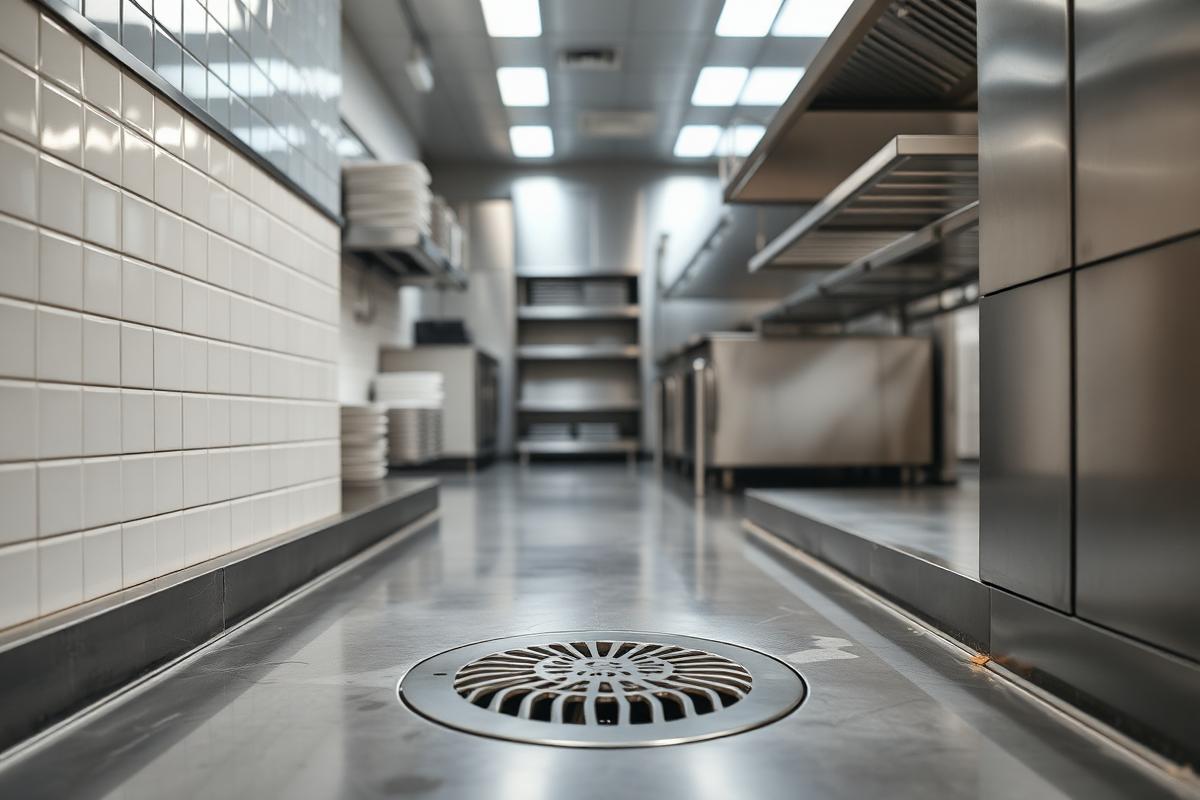
Dialysis centers process a high volume of fluids, and the drains in utility rooms and treatment bays are often the primary source of persistent odors. Over time, a complex biofilm of organic matter, bacteria, and minerals builds up on the interior of the pipes. This biofilm off-gasses hydrogen sulfide and other unpleasant vapors that can travel back up through the P-trap and into the patient area. Effective drain maintenance requires a biological approach that breaks down the organic slime layer rather than just flushing it with hot water or bleach. While bleach might provide a temporary fix, it does not penetrate the thick biofilm and can damage plumbing over time. Implementing targeted drain odor elimination protocols ensures that the source of the smell is digested by beneficial bacteria or neutralized by non-toxic chemicals before the odor can become airborne.
Continuous Dosing vs. Reactive Spraying
Reactive odor control—waiting for a complaint before spraying a room—is inherently flawed in a healthcare setting. It creates a cycle of odor spikes followed by chemical spikes, neither of which is conducive to patient comfort. A proactive approach involves continuous dosing systems that release minute, controlled amounts of neutralizing agents into the air or the HVAC system. Continuous delivery systems maintain a consistent baseline of air quality, preventing the accumulation of malodors before they become detectable to the human nose. In our New York service area, many facilities are moving away from wall-mounted triggers toward cold-air nebulization or vapor-phase systems. These technologies do not use heavy droplets that fall onto surfaces; instead, they create a dry vapor that stays suspended in the air to intercept odor molecules as they arise. This is particularly important in areas near restroom odor control zones where heavy traffic can lead to rapid odor buildup.
Airflow and HVAC Integration
In many modern healthcare facilities, the HVAC system is the most efficient vehicle for odor neutralization. By integrating a neutralization system directly into the air handling unit, you ensure that every cubic foot of air is treated before it enters the patient ward. HVAC-integrated neutralization provides a uniform distribution of odor-counteracting agents, eliminating the need for localized sprays in every treatment bay. This method is particularly effective in large, open-plan dialysis floors where localized odors can quickly diffuse across the entire room. It also allows facility managers to monitor and adjust the concentration of the neutralizing agent from a central location, ensuring that the environment remains fragrance-neutral and compliant with healthcare air quality standards.
Choosing the Right Program for Your Facility
Selecting an odor control strategy for a dialysis center requires a balance between efficacy and patient safety. You must first audit your facility to identify whether the odors are coming from specific points, like floor drains and waste bins, or if they are ambient issues caused by poor circulation. Once the sources are identified, you can determine if you need a liquid-based biological treatment for the plumbing or a vapor-based system for the air.
Most facilities find success with a hybrid approach: using enzymatic cleaners for drains and molecular neutralizers for the atmosphere. This two-pronged strategy addresses both the root cause and the symptoms of poor air quality. Ensure that any product used is validated as safe for sensitive environments and is free of known respiratory triggers.
Have a question or need support? Talk to our team — we'll connect you with the right expert to evaluate your facility’s specific needs.