
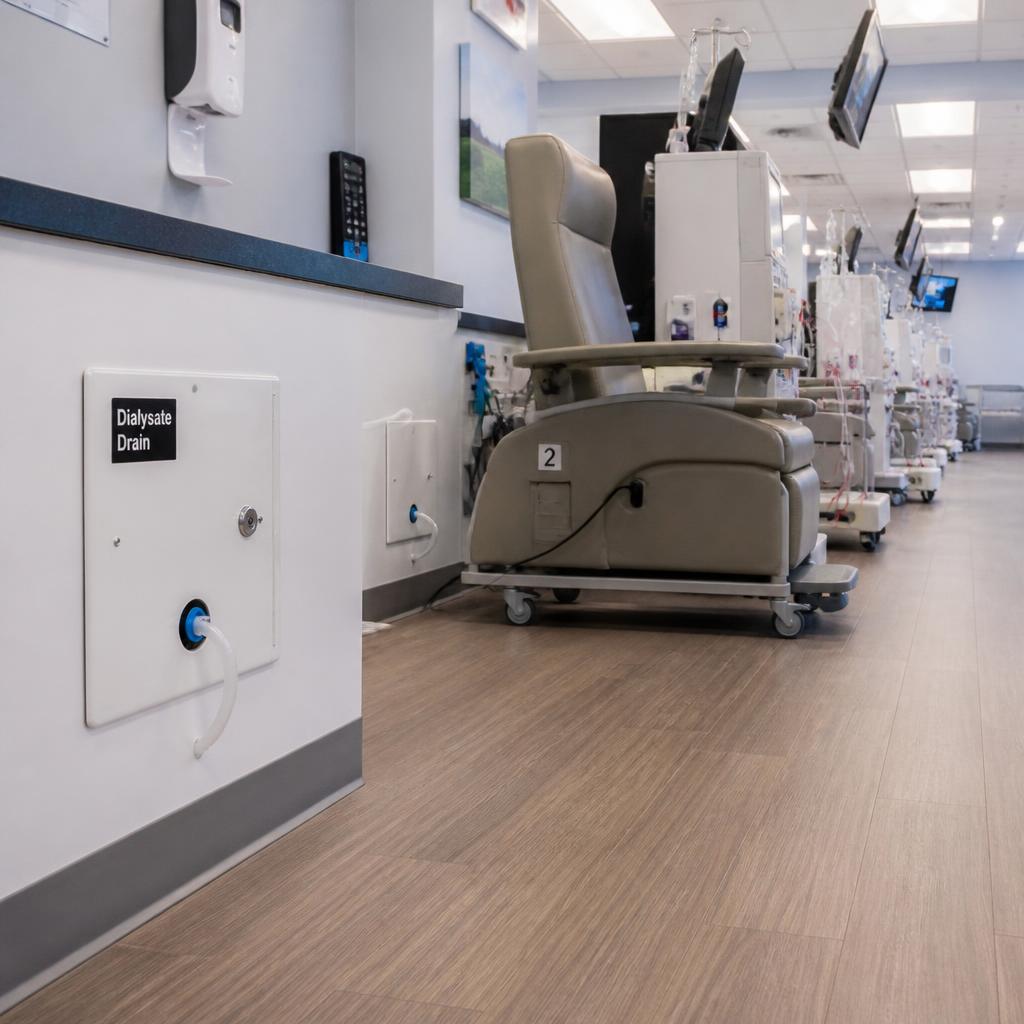
Imagine a patient arriving at your clinic for their four-hour treatment session, already feeling the fatigue of chronic illness. As they walk through the lobby, they are met not by a clean, clinical environment, but by the lingering, sharp scent of medical waste or the heavy, sweet smell of a chemical floral spray used to hide a plumbing issue. The patient is confined to their chair for hours, and if the air quality is compromised by either organic odors or heavy synthetic fragrances, their physical comfort and psychological well-being are immediately impacted. In a space where respiratory sensitivity is high and treatment times are long, the traditional approach to facility management simply does not suffice.
How do you eliminate biological odors without introducing VOCs that irritate compromised lungs? Is it possible to maintain a sterile-smelling environment without relying on temporary masking agents? When does a localized smell indicate a systemic failure in your facility's drainage or waste protocols? These are the questions facility managers must answer to maintain high patient satisfaction scores and meet strict healthcare regulations.
At Luften, we design engineered odor control programs specifically for high-sensitivity environments like medical clinics. It can be tricky to balance clinical cleanliness with patient comfort, but there is a right answer for your situation that does not involve aerosol cans.
This guide explores the transition from traditional masking to molecular odor neutralization in the dialysis environment, providing facility managers with a framework for identifying odor sources, selecting fragrance-free chemistry, and implementing automated systems that ensure air quality remains consistent throughout long treatment shifts.
Molecular Neutralization vs Traditional Masking
In a dialysis center, the goal of air quality management is not to introduce a new scent, but to achieve a state of sensory neutrality. Traditional air fresheners operate through masking, which involves layering a heavy perfume over an existing malodor molecule; this often creates a combination scent that is more nauseating than the original problem. Furthermore, many off-the-shelf sprays contain volatile organic compounds (VOCs) that can trigger asthmatic reactions or nausea in patients undergoing blood filtration. Molecular neutralization is the preferred engineering solution for healthcare because it utilizes chemistry that bonds with and alters the structure of odor-causing molecules, rendering them inert and odorless. This process, often involving encapsulation or chemical oxidation, ensures that the odor is removed from the environment rather than just hidden. In our New Jersey service area, we see many clinics moving away from hand-held sprays in favor of these precise, scientific interventions.
Addressing Drains as Primary Odor Reservoirs
Many of the most persistent odors in a healthcare facility do not originate in the air, but in the plumbing infrastructure beneath the floor. Dialysis centers process significant volumes of fluid, and over time, biofilms can develop within floor drains and sink traps, releasing hydrogen sulfide or organic decay gases into the treatment bays. If your staff is constantly pouring bleach down drains to stop smells, they are likely causing more harm than good by damaging the pipes without fully removing the biological colony. Effective healthcare facility management requires a proactive approach to [drain odor elimination](/drain-odor-elimination) through the use of biological blockers and enzyme-based cleaners that digest the organic matter inside the pipes. By maintaining the P-traps and ensuring floor drains are regularly treated, you prevent the vertical migration of sewer gases into patient areas, which is a common source of complaints that managers often misdiagnose as a ventilation issue.
Continuous Dosing vs Manual Intervention
Manual intervention is inherently reactive; by the time a staff member notices a smell and acts on it, the patient experience has already been degraded. In a clinical setting, consistency is the metric of success. Manual spraying also leads to inconsistent concentrations of chemistry in the air, creating "spikes" of scent that can be overwhelming to sensitive individuals. Automated, continuous dosing systems provide a steady state of odor neutralization by releasing precise micro-bursts of neutralizing agents at timed intervals based on the facility's square footage and airflow patterns. This ensures that the concentration of the neutralizer remains below the threshold of human detection while remaining high enough to combat emerging odors from medical waste or high-traffic areas. This systematic approach is particularly effective in high-load areas like restroom odor control, where usage fluctuates throughout the day.
HVAC Integration and Airflow Management
In larger dialysis clinics, localized dispensers may not be enough to cover the entire footprint of the treatment floor. This is where HVAC-integrated systems become necessary. By injecting neutralizing agents directly into the air handling units, you can ensure that every cubic foot of air delivered to the patient bays has been treated. This method is far superior to plug-in units because it utilizes the building's existing mechanical engineering to distribute the solution evenly, preventing "dead zones" where odors might pool. Integrating odor neutralization into the HVAC system allows for a uniform environment that supports clinical outcomes by reducing the stress and sensory triggers associated with unpleasant smells. When the air smells like nothing at all, it signals to the patient that the facility is being managed with the highest level of professional oversight.
Choosing the Right Program for Your Facility
Selecting an odor control strategy for a dialysis center requires an audit of your specific pain points. You must first determine if your odors are localized, such as those coming from a specific waste closet, or systemic, such as those drifting through the ventilation. A combination of molecular neutralizing dry-vapor systems for the air and biological treatments for the drains usually provides the most comprehensive coverage for healthcare environments.
If your facility is located within our New York service area, you should prioritize solutions that are compliant with local health codes while focusing on fragrance-free or ultra-low-scent profiles. The objective is always to protect the patient from unnecessary chemical exposure while maintaining the pristine atmosphere expected of a modern medical provider.
Have a question or need support? Our team is here to help — talk to our team and we'll connect you with the right expert to evaluate your facility's needs.