
Imagine a high-profile product launch in a converted industrial loft in SoHo. The lighting is precise, the sound system is calibrated, and the guest list is curated. However, as the room fills to its two-hundred-person capacity, the air begins to grow heavy with the combined scent of catering heat-lamps, expensive perfumes, and the faint, persistent metallic tang of an old HVAC system struggling with the humidity. Despite the premium decor, the sensory experience feels cluttered and unrefined, leaving guests subconsciously eager to find the exit rather than engage with the brand activation.
How do you ensure that the olfactory environment supports your event's programming rather than distracting from it? Should you opt for a bold signature fragrance that commands attention, or a subtle background neutralization that simply creates a clean canvas? Does your scenting strategy account for the physical transitions between the lobby, the main floor, and the restrooms?
At Luften, we design and manage professional air quality and scenting programs for high-traffic venues across the tri-state area. It can be tricky to balance brand identity with the practicalities of large-scale air volumes, but there is a right answer for your specific situation.
This guide examines the technical and strategic considerations of event space scenting, from selecting fragrance profiles that match specific programming to the engineering requirements of different diffusion methods. By the end of this article, you will understand how to integrate scent into your experiential design to drive longer dwell times and stronger brand recall while avoiding common pitfalls like scent fatigue or olfactory clashing.
Neutralization vs. Ambient Scenting
Before a venue can successfully deploy a brand-aligned fragrance, it must first address the baseline air quality of the space. In many urban venues, particularly those in older buildings, ambient odors from plumbing or kitchens can interfere with even the most sophisticated scenting systems. If your facility struggles with odors originating from the building's infrastructure, you may need to prioritize drain odor elimination before layering in an ambient fragrance. The goal of a professional program is never to mask a foul odor with a pleasant one, as this often results in a confusing and unappealing olfactory mixture.
Once the environment is neutral, you can determine if your goal is functional or experiential. Functional scenting often focuses on areas like the back-of-house or restrooms to ensure a consistent standard of cleanliness throughout the event. In these cases, restroom odor control systems use molecular neutralizers that break down malodors at the source rather than simply adding perfume to the air. For the main event floor, however, the strategy shifts toward experiential design, where the scent becomes a silent partner to the visual and auditory elements of the production.
Matching Scent Profiles to Event Programming
The fragrance you choose must align with the psychological state you want to evoke in your guests. A gala dinner requires a vastly different profile than a high-intensity tech summit or a wellness retreat. Wood-based notes like sandalwood or cedar create a sense of stability and luxury, making them ideal for corporate environments or evening receptions. Conversely, citrus and green tea notes promote alertness and clarity, which are better suited for daytime conferences or workshops. Selecting a scent profile that conflicts with the event's energy—such as a heavy floral scent during a fast-paced networking session—can lead to subconscious discomfort and reduced guest engagement.
Sophisticated producers often utilize scent marketing to create a cohesive narrative across different zones of a venue. The entrance or lobby might feature an inviting, open scent to transition guests from the street into the event world, while the main activation area uses a more concentrated version of that profile to reinforce the brand's presence. This layered approach prevents olfactory fatigue, which occurs when a guest's nose becomes desensitized to a single, unchanging smell over several hours.
HVAC Integration vs. Localized Diffusion
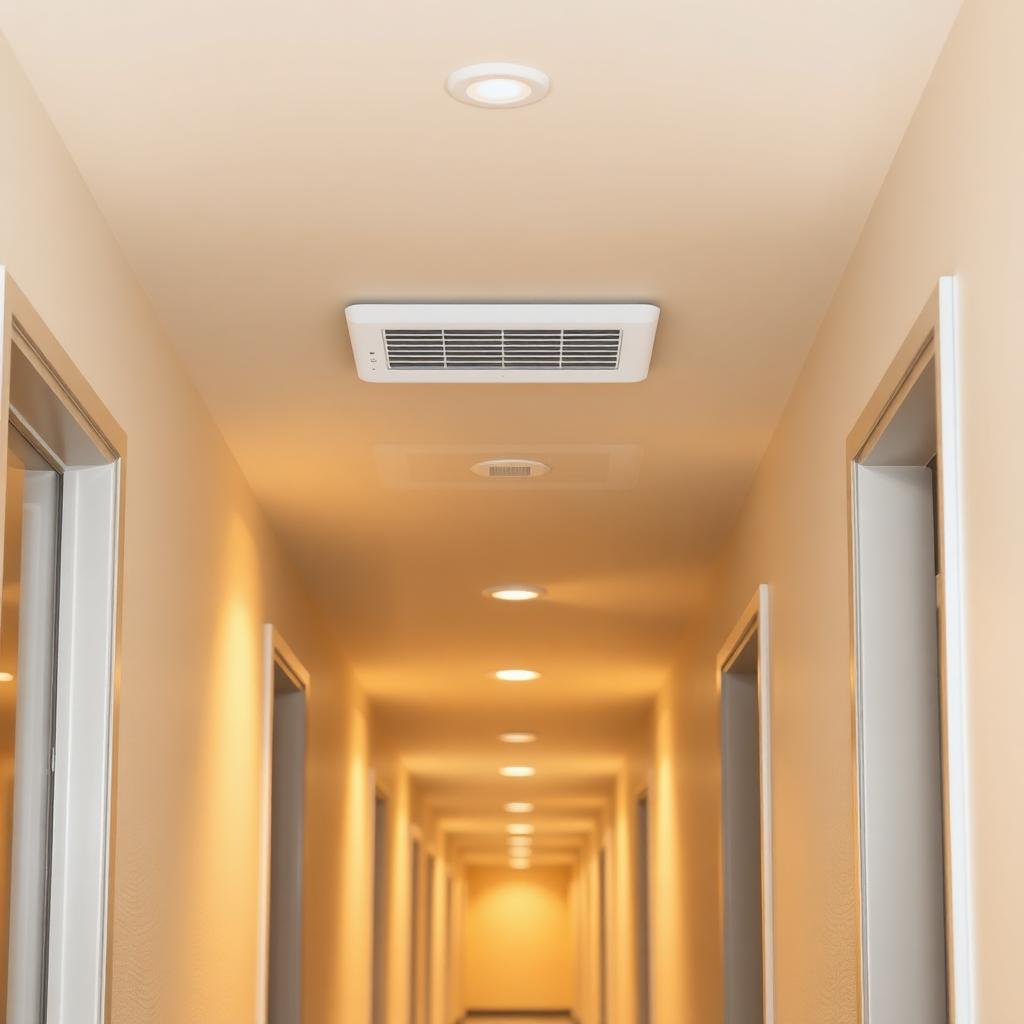
For large-scale venues, the method of delivery is just as important as the scent itself. Many operators rely on HVAC scent diffusers to ensure even distribution across thousands of square feet. This method utilizes cold-air nebulization, which breaks down fragrance oils into a dry mist of microscopic droplets. These droplets are light enough to stay suspended in the air and travel through the ductwork without condensing on the interior of the pipes or leaving a residue on furniture and equipment. HVAC-integrated systems provide the most consistent coverage for large volumes, ensuring that a guest in the back of the room experiences the same atmosphere as a guest near the entrance.
Localized diffusion, using standalone units, is more appropriate for specific zones or pop-up activations within a larger space. If you are hosting a multi-room event where each area has a different theme, standalone nebulizers allow for precise control over the intensity and reach of each scent. This prevents "scent bleed," where the fragrance from a high-energy lounge drifts into a quiet VIP meeting room. In our New York service area, we frequently see venues combine both methods: a base HVAC scent for the entire floor and targeted diffusers for specific branded booths or displays.
Choosing the Right Scenting Strategy for Your Facility
Selecting a program requires an audit of your venue’s physical layout, existing air filtration, and the typical duration of your events. A high-ceilinged warehouse requires a different pressure and frequency of diffusion than a carpeted hotel ballroom. You must also consider the seasonal variations in the NYC and New Jersey service area, as humidity and temperature significantly affect how scent molecules behave in the air.
Start by identifying the primary goal of your ambient program: is it to reinforce a brand, improve the perception of cleanliness, or drive a specific guest behavior? Once the objective is clear, test your chosen fragrance during a live walkthrough to see how it interacts with the venue's natural airflow. A successful installation is one that guests notice subtly upon entry but which fades into a pleasant background element that supports the overall experience.
Have a question or need support? Our team is here to help — we'll connect you with the right expert.