
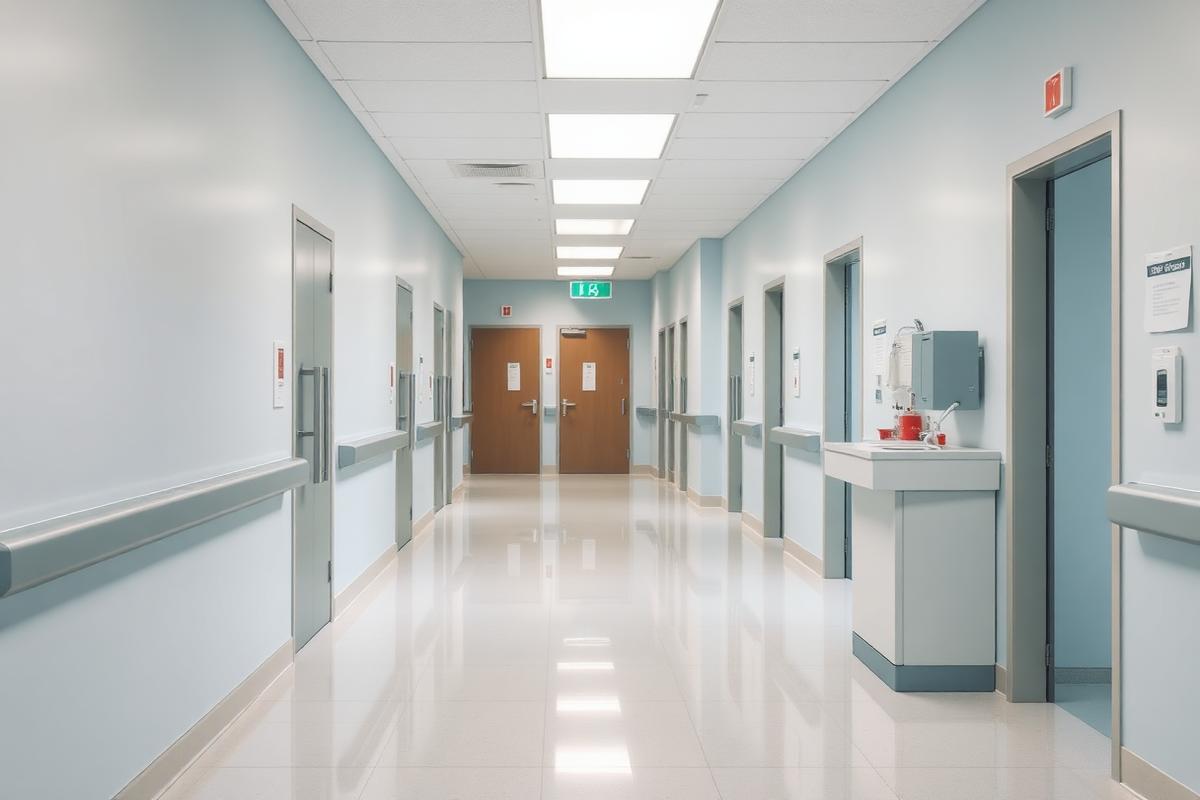
A Tuesday morning shift at a seafood processing facility in Suffolk County begins with a familiar but growing problem: a thick, sulfurous heavy-air sensation that hits the back of your throat as soon as you step onto the production floor. The floor drains are sluggish, and despite a high-pressure wash-down the previous evening, the tell-tale scent of decomposing proteins and fats persists. The regional inspector is scheduled for a walkthrough next week, and the current strategy of dumping caustic cleaners down the drains is clearly failing to address the organic accumulation deep within the interceptor lines. The humidity in the facility only exacerbates the volatility of the hydrogen sulfide, turning a localized drain issue into a facility-wide air quality crisis.
Do you rely on reactive chemical shock treatments or a proactive biological maintenance program? Is the odor a result of stagnant biofilm in the secondary laterals or a capacity issue within your main interceptor? Can your current maintenance schedule keep pace with the organic loading of your production cycles?
At Luften, we run engineered wastewater and odor-control programs for industrial facilities. It can be tricky to manage high-volume organic waste streams in a regulated environment, but there is a right answer for your situation.
This guide examines the engineering behind industrial food processing wastewater management, specifically focusing on the transition from chemical masking to biological dosing. By the end of this resource, you will understand how to identify the source of sulfurous gases, how to implement an automated dosing strategy for floor drains and interceptors, and how to maintain compliance with Long Island municipal discharge regulations while ensuring a safe, odor-free environment for your workforce.
Source Treatment vs. Air Neutralization
In many industrial settings, the immediate reaction to a foul odor is to treat the air itself. While high-output neutralizing agents can temporarily encapsulate malodors, they do nothing to address the biological reality of the drain line. The smell in a food processing plant is typically the byproduct of anaerobic respiration. Bacteria deep within the plumbing system break down fats, oils, and greases (FOG) and proteins in the absence of oxygen, releasing hydrogen sulfide (H2S) and methane. True odor remediation requires moving past air treatment to address the specific organic loading within the wastewater infrastructure.
To achieve this, facility managers must look at drain odor elimination through the lens of microbial competition. By introducing specific strains of non-pathogenic, spore-forming bacteria into the waste stream, you can effectively out-compete the sulfur-producing bacteria. This process, known as bio-augmentation, reduces the total volume of organic solids that adhere to pipe walls, thereby removing the food source for the organisms that create odors. When you focus on the source, you reduce the need for aggressive ventilation and chemical masking agents.
Biological Dosing vs. Manual Chemical Flushes
Manual chemical flushes—using bleach or caustic soda—offer a temporary reduction in surface-level bacteria but often cause more harm than good in a complex industrial system. These harsh chemicals can damage pipe integrity over time and, more importantly, they are non-discriminatory; they kill both the bad bacteria and the beneficial organisms that naturally occur in the system. Furthermore, manual application is subject to human error and often misses the peak hours of organic loading. Automated biological dosing ensures that a consistent concentration of grease-eating microbes is introduced into the system during periods of low flow, allowing the bacteria to colonize the pipe walls.
This consistency is vital for maintaining grease trap maintenance and interceptor health. Because food processing creates a constant influx of nutrients for bacteria, the biological treatment must be equally constant. A timed peristaltic pump system can be programmed to deliver microbes precisely when they will have the most contact time with the biofilm. This proactive approach prevents the solidification of fats that leads to backups and the subsequent odors that occur when waste sits stagnant in the lines.
Managing Interceptors and Lift Stations
In larger facilities, the odor problem often migrates from the floor drains to the larger collection points, such as lift stations or external interceptors. These areas are prone to stratification, where heavy solids sink and lighter oils form a thick crust on the surface. As this material decomposes, the resulting gases can travel back up the vent lines and into the facility. Proper lift station & ejector pit care involves more than just periodic pumping; it requires managing the chemistry of the pit itself to prevent anaerobic pockets. Effective interceptor management centers on reducing the biological oxygen demand (BOD) and total suspended solids (TSS) through continuous microbial digestion.
In our New York service area, municipal authorities closely monitor these levels. High BOD levels not only cause odors but can also lead to significant surcharges or fines from local sewer authorities. By implementing a biological dosing program that targets the interceptor, you are essentially pre-treating the wastewater before it ever leaves your facility. This lowers the organic load, reduces the frequency of necessary pump-outs, and significantly cuts down on the hydrogen sulfide production that plagues many Long Island industrial parks.
Choosing the Right Program for Your Facility
Selecting a wastewater strategy requires a thorough audit of your facility’s specific waste profile. A plant processing dairy will have different needs than one processing poultry or baked goods. The temperature of the wastewater, the pH levels, and the volume of water used during wash-down cycles all dictate which bacterial strains and dosing frequencies will be most effective. A one-size-fits-all approach often leads to wasted resources and persistent odor issues.
Your framework should prioritize automated delivery and consistent monitoring. Successful programs integrate with your existing maintenance workflows, ensuring that the biological agents are replenished and the equipment is calibrated without interrupting production. By focusing on the underlying biology of your waste stream, you create a more stable, compliant, and pleasant environment for your employees.
Finally, consider the long-term impact on your infrastructure. Reducing the accumulation of corrosive gases like hydrogen sulfide doesn't just stop the smell; it protects your metal and concrete infrastructure from premature degradation. A well-designed odor control program is as much an asset preservation strategy as it is an environmental one.
Have a question or need support? Talk to our team — we'll connect you with the right expert.