
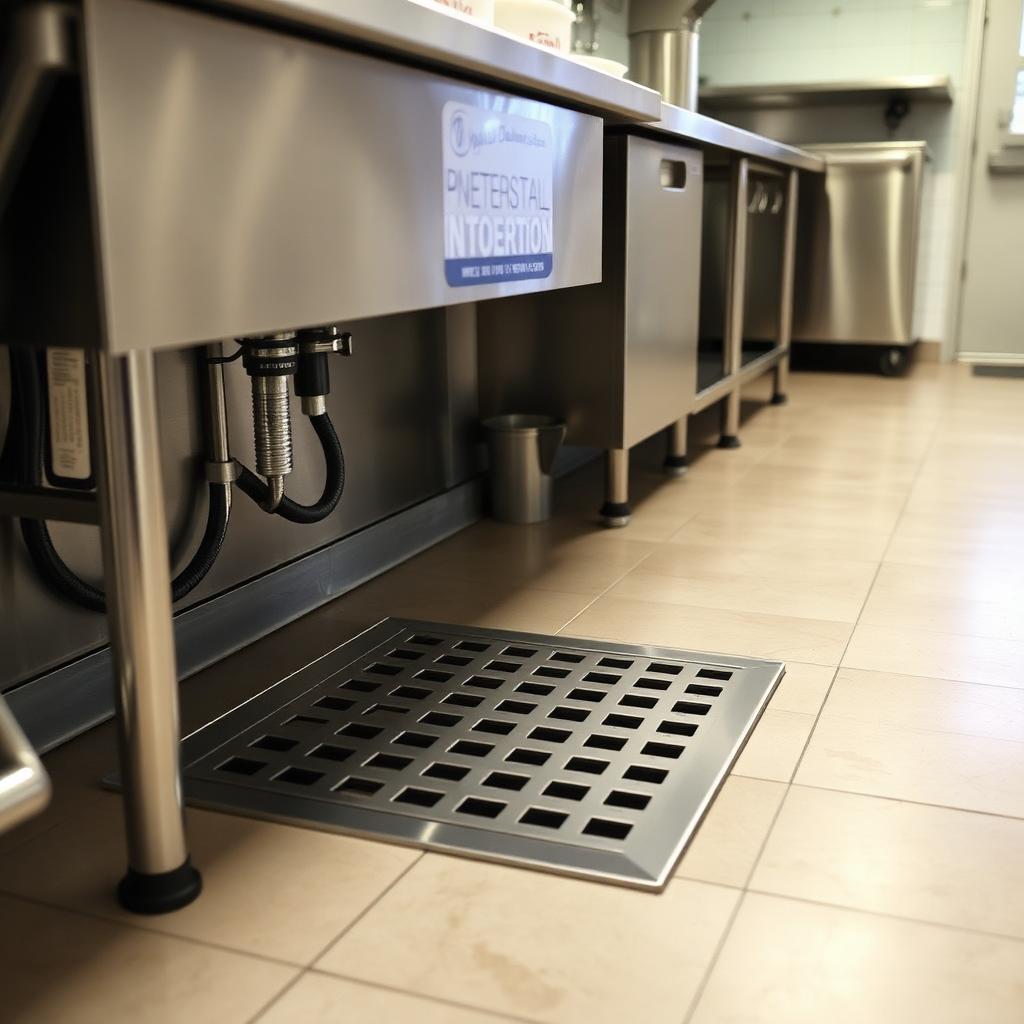
A Saturday night rush is nearing its peak when the dish pit floor begins to pool with greywater. The grease trap was pumped just three weeks ago on a standard monthly schedule, but the heavy influx of animal fats and vegetable oils from the evening's service has overwhelmed the baffle system. As the water backs up, a sour, rancid odor permeates the kitchen and begins to drift toward the dining room, threatening both food safety protocols and the guest experience. The immediate reaction is to call for an emergency pump-out, but by then, the internal plumbing is already coated in solidified fats, and the bill for the emergency service has already eaten into the week's margins.
Is the failure caused by a physical capacity issue or a chemical imbalance in the tank? Why does a trap that was recently cleaned still produce foul odors and slow drainage? Is there a way to manage the accumulation of solids without increasing the frequency of expensive vacuum truck visits? Understanding these variables is the difference between a reactive, crisis-driven kitchen and one that manages its waste stream with engineering precision.
At Luften, we design and manage comprehensive drain and wastewater programs for high-volume food service facilities. It can be tricky to balance the heavy discharge of a modern kitchen with the rigid requirements of municipal grease discharge limits, but there is a right answer for your specific facility.
This guide explores the mechanisms of grease trap failure, specifically looking at how Fats, Oils, and Grease (FOG) interact with temperature and microbial activity. We will examine the limitations of traditional enzyme dosing, the science of bio-augmentation, and how to implement a system that keeps traps in compliance for longer durations while reducing the total cost of ownership.
The Physics of Separation vs. The Reality of Kitchen Flow
Most grease traps operate on the simple principle of gravity-based separation. Because fats and oils are less dense than water, they should float to the top, while heavier solids sink to the bottom, allowing clarified water to exit through the downstream baffle. However, in a busy restaurant, the volume of water and the temperature of that water often prevent this separation from occurring effectively. When a high-temperature commercial dishwasher discharges, the hot water emulsifies the grease, keeping it in suspension as it moves through the trap and out into the municipal line. The most common cause of early trap failure is not the volume of grease itself, but the velocity and temperature of the water preventing the natural separation process from occurring. Once that emulsified grease hits the cooler pipes of the city sewer, it solidifies, leading to blockages and potential fines for non-compliance.
Bio-Augmentation vs. Traditional Enzyme Dosing
For decades, the standard response to grease buildup was to pour enzymes or surfactants down the drain. While these products may provide temporary relief by breaking down grease molecules, they often do so by simply liquefying the FOG and moving the problem further down the line. This process, known as emulsification, often results in the grease re-solidifying in the building's main sewer lateral or the city's infrastructure, which can lead to significant legal and financial liability. Unlike simple enzymes that merely move grease, a true bio-augmentation program uses live vegetative bacteria to actually digest the organic matter, converting fats and oils into water and carbon dioxide. By establishing a consistent colony of beneficial microbes within the trap, you create a biological factory that works 24 hours a day to reduce the solid layer, effectively extending the time required between mechanical pump-outs.
Continuous Dosing vs. Manual Application
One of the primary reasons grease treatments fail is the lack of consistency. Manual applications by kitchen staff are often forgotten during busy shifts or performed at the wrong time, such as right before a high-volume discharge that flushes the treatment out of the system before it can take effect. To be effective, biological treatments require sufficient contact time with the waste material. Automated, continuous dosing systems eliminate human error by delivering precise amounts of bacteria during low-flow periods, such as the middle of the night, allowing the microbes to populate the grease layer without being washed away. This consistency ensures that the microbial colony remains robust enough to handle the heavy loading that occurs during peak service hours.
Hydrogen Sulfide and Odor Mitigation
When a grease trap begins to fail, the most immediate sign is often the smell. This occurs when the environment inside the trap becomes anaerobic, or oxygen-depleted. In these conditions, sulfate-reducing bacteria produce hydrogen sulfide gas, which carries the characteristic rotten-egg odor. This gas is not just an aesthetic nuisance; it is corrosive and can damage metal piping and concrete structures over time. Managing the odor of a grease trap requires addressing the underlying biological activity rather than using masking agents or perfumes that only hide the scent temporarily. By shifting the trap's environment toward an aerobic-dominant state through proper bio-augmentation, you stop the production of hydrogen sulfide at the source, protecting your infrastructure and your air quality.
Choosing the Right FOG Program for Your Facility
Selecting the right approach for your grease trap depends heavily on your menu, your volume, and your plumbing architecture. A steakhouse with high animal fat discharge requires a different microbial profile than a bakery dealing primarily with flour and sugar solids. The goal is to move away from the 'pump and pray' model, where the trap is ignored until it overflows, toward a managed program that stabilizes the trap's chemistry.
An effective program should integrate the physical maintenance of the trap with a sophisticated biological treatment plan. This involves auditing the kitchen's flow rates, identifying high-risk drain lines, and calibrating a dosing schedule that matches the facility's specific discharge patterns. When these elements are aligned, the result is a significant reduction in emergency plumbing calls and a more predictable maintenance budget.
Have a question or need support? Our team is here to help — we'll connect you with the right expert.