
A potential tenant is touring a high-end unit on the fourth floor when they pause in the hallway, nostrils flaring. Despite the fresh coat of paint and the industrial carpet cleaning performed yesterday, a distinct, skunky aroma of cannabis from a neighboring unit has permeated the corridor. For building managers and condo boards, this is a recurring friction point that pits the personal rights of residents against the collective expectation of a clean, premium living environment. These odors do not stay contained; they move through plumbing chases, electrical outlets, and gaps in flooring, eventually embedding themselves into the very building materials that define your property value.
How do you differentiate between a temporary nuisance and a deep-seated structural odor problem? Is it more effective to treat the individual unit or manage the common area air profile? Does the answer lie in heavy-duty filtration or molecular-level neutralization? Finding a solution requires understanding how smoke particles interact with synthetic and natural surfaces over time.
At Luften, we design and implement engineered odor-control and ambient-scenting programs for luxury residential and commercial properties. It can be tricky to manage persistent smoke infiltration in high-density buildings, but there is a right answer for your specific architectural layout.
This guide provides an technical overview of how smoke and cannabis odors migrate through multifamily structures and the specific methodologies used to neutralize these molecules. By the end of this article, you will understand the difference between masking agents and molecular encapsulation, how to leverage HVAC systems for continuous remediation, and how to select a program that protects your building’s reputation without infringing on resident privacy.
Molecular Encapsulation vs. Traditional Masking Agents
When a resident complains about smoke, the immediate instinct is often to deploy a heavy fragrance to cover the smell. This approach is fundamentally flawed because traditional aerosols and sprays are composed of large perfume droplets that merely sit alongside the smaller odor molecules. As the fragrance dissipates, the smaller, more persistent smoke molecules remain behind. This often creates a 'cloying' effect where the smell of cannabis is layered under a synthetic floral scent, which many residents find more offensive than the original odor.
The only effective way to eliminate smoke odors in a high-density environment is to utilize molecular encapsulation technology that physically binds to and neutralizes the odor-causing compounds. In scientific terms, an encapsulator reacts with the sulfur-based compounds in cannabis smoke and the tar and nicotine residues in tobacco, changing their chemical structure so they no longer register as an odor to the human nose. This process does not rely on heavy perfumes but rather on a chemical reaction that occurs in the air and on surfaces. When selecting a remediation strategy,คุณ must prioritize chemistry that seeks out these molecules rather than simply overwhelming the senses with a stronger, temporary scent.
Source Remediation vs. Common Area Treatment
The decision to treat the source unit or the common hallway depends on the nature of the building’s ventilation. In many older NYC buildings, 'stack effect' causes air to pull upward through the center of the building, drawing odors from lower units into the public corridors. If a smell is localized to a single floor, the problem is likely an individual unit; if it is systemic, you are facing a pressure balance issue. Treating the common area with a continuous-release system is often the most pragmatic approach for boards that cannot legally enter a private residence to perform deep cleaning.
Common area treatment serves as a defensive perimeter that prevents localized smoke odors from defining the overall sensory experience of the building. By installing dry-vapor systems or cold-air nebulizers in hallways and lobbies, you create a controlled environment where any escaping smoke molecules are neutralized before they can reach other residents. This approach allows property managers to maintain a neutral or pleasantly scented environment without having to confront individual residents over every minor infraction, which reduces legal friction and administrative burden.
HVAC Integration vs. Standalone Nebulization
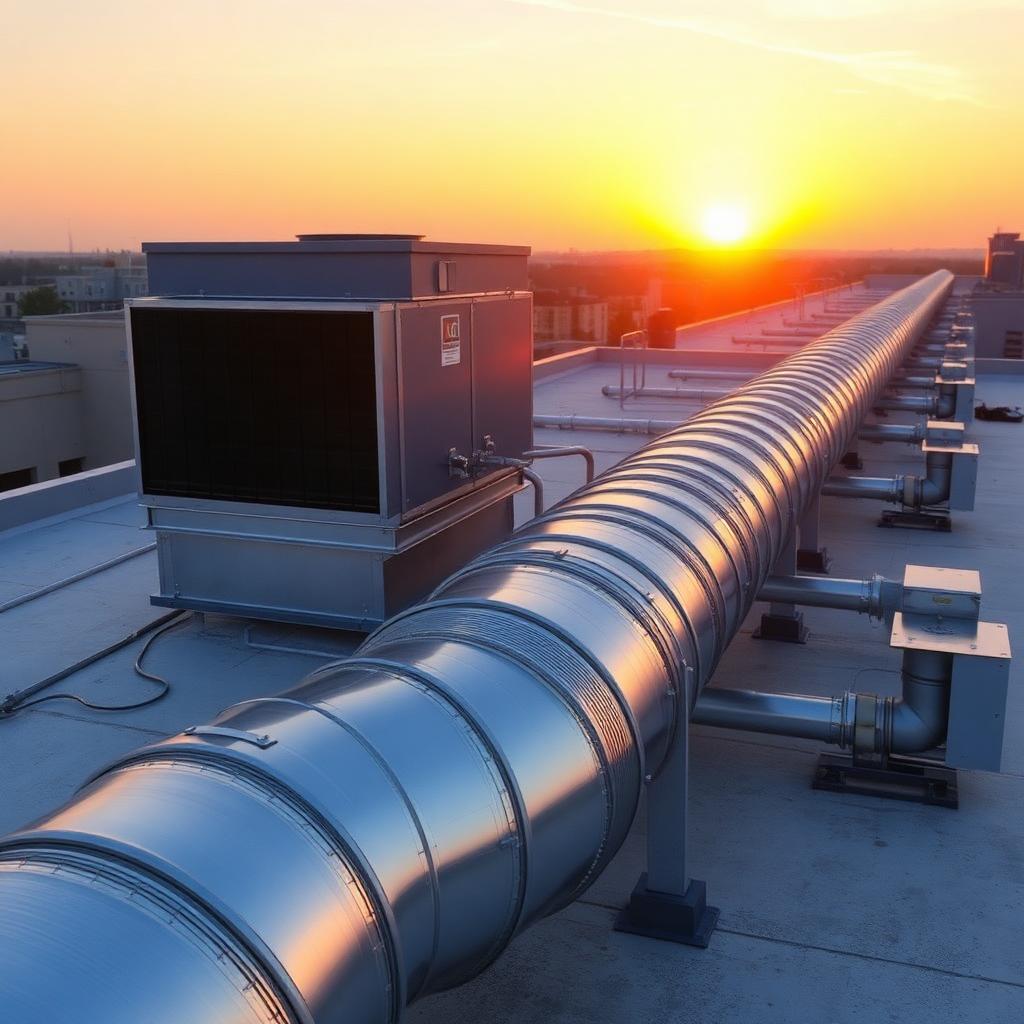
For most multifamily properties, the delivery mechanism is just as important as the chemistry. Standalone units are effective for localized areas like a package room or a specific floor, but they require manual monitoring and refilling. For buildings with a centralized HVAC system or a large lobby, integration is the superior choice. This involves installing a cold-air nebulizer directly into the supply duct, utilizing the building's own airflow to distribute neutralizing agents evenly across every square foot of the common space.
Utilizing the building's existing mechanical infrastructure ensures a consistent concentration of neutralizing agents that prevents 'dead zones' where odors can accumulate. This method is particularly effective against smoke because it follows the same path the smoke does—through the air vents and corridors. Unlike traditional 'plug-in' deodorizers that have a high concentration near the outlet and zero effectiveness ten feet away, HVAC-integrated systems provide a uniform molecular blanket that keeps the air quality consistent throughout the day and night. This engineering-first approach eliminates the peak-and-valley performance of manual sprays and ensures that the first impression for visitors is always a clean, odor-free environment.
Biofilm and Surface Residue Management
While air treatment is critical, smoke odors also deposit a sticky residue on walls, elevator interiors, and light fixtures. Over time, this buildup creates a reservoir of odor that continues to off-gas even if the resident stops smoking. This is particularly common in service elevators or small vestibules where airflow is limited. In these cases, a standard cleaning protocol with generic surfactants is rarely enough to break down the resins found in cannabis smoke or the oils found in tobacco.
Long-term odor remediation requires a dual-track strategy that combines continuous air neutralization with targeted surface treatment using specialized enzymatic cleaners. These cleaners are designed to digest the organic compounds trapped in the biofilm of the building's surfaces. By breaking the molecular bond between the smoke residue and the wall or ceiling, you remove the source of the 'stale' smell that lingers in older buildings. For condo boards looking to protect the long-term value of their assets, periodic deep-cleans using these professional-grade odor-neutralizing chemicals are a necessary supplement to any air-based program.
Vapor Phase Technology vs. Ozone Generation
When a unit is occupied, your options for aggressive remediation are limited by safety protocols. Ozone generators are often cited as the gold standard for smoke removal, but they are highly reactive and require the space to be completely vacated by humans, pets, and plants due to respiratory risks. For active multifamily environments, dry vapor phase technology is the superior alternative. These systems use a blend of essential oils and compounds delivered as a dry vapor—not a mist or spray—that permeates the air and surfaces without leaving a residue or requiring evacuation. Vapor phase systems are the most effective way to treat active smoke issues in common areas and hallways because they provide continuous neutralization without the safety hazards associated with ozone or hydroxyl generators. This technology works by diffusing the neutralizer into the air stream, where it seeks out and pairs with malodor molecules in real-time.
Identifying and Sealing Migration Pathways
Before deploying chemistry, a facility manager must understand the physics of the building's stack effect. In the winter, warm air rises and escapes through the top of the building, creating a vacuum that pulls air—and odors—out of apartments and into the hallways. In the summer, this process often reverses. If your building has imbalanced makeup air units, the hallways may be at a lower pressure than the apartments, essentially sucking smoke out of every unit door. Technical remediation is most effective when combined with a review of building pressurization to ensure that common areas are slightly over-pressured relative to residential units. Once the airflow is stabilized, the use of automated neutralizing systems can maintain a consistent baseline of air quality that residents expect.
Managing Airflow and Pressure Differentials
In many NYC high-rises, smoke odor travels between apartments not through the walls, but through the building's own mechanical systems and pressure imbalances. If a building is under negative pressure, it will pull air—and odors—from the hallways and adjacent units into the living spaces. Conversely, if a unit is pressurized, it may push smoke into the common corridors. Addressing the odor often requires a two-pronged approach: treating the air and auditing the weather stripping and stack effect of the building. By installing continuous dosing systems in the HVAC intake or near known exhaust points, you create a chemical barrier that treats the air as it moves. Addressing smoke migration is as much a mechanical engineering challenge as it is a chemistry problem, requiring a balance of proper ventilation and strategic neutralizer placement.
Porous Surface Saturation and Deep Remediation
In cases of long-term tobacco use or heavy cannabis consumption, the odors are no longer just in the air; they are embedded in the building’s substrate. The tars and resins from smoke act as a binder, sticking to paint and insulation. If a unit has been vacated and the smell persists after a deep clean, you are dealing with surface saturation. At this stage, airborne treatments must be paired with specialized counteractants added to paint primers or used in high-pressure fogging to reach the backside of drywall and inside cabinetry. Deep-seated smoke remediation in turnover units requires a multi-stage approach that addresses the microscopic resin layer before the unit is repainted or re-carpeted. Failing to address the surface saturation will result in the odor 'off-gassing' weeks later when the temperature or humidity in the building rises.
Choosing the Right Program for Your Property
Selecting the right remediation strategy requires an audit of your building's specific pain points. If your primary goal is to handle complaints related to a specific unit, a localized dry-vapor system may be the most cost-effective and discreet solution. These systems can be deployed quickly and do not require modifications to the building's infrastructure, making them ideal for immediate intervention.
For properties looking for a comprehensive, building-wide solution, a managed ambient-scenting and odor-control program is the standard. This involves a professional assessment of your HVAC layout, square footage, and resident traffic patterns. A managed service ensures that the chemistry is always replenished, the equipment is calibrated, and the air quality remains at a premium level without requiring daily oversight from your staff.
Ultimately, the goal is to shift from a reactive stance—responding to resident complaints after they happen—to a proactive stance where the building’s environment is engineered to be odor-neutral. This not only improves resident retention but also safeguards the property’s premium positioning in a competitive market.
Have a question or need support? Our team is here to help — we'll connect you with the right expert.