
A long-term tenant has just moved out of a north-facing studio, and as soon as the door opens, the heavy, stale scent of years of indoor smoking hits you. The walls have a subtle yellow tint, and even after the carpets are pulled, the sharp metallic tang of nicotine and tar lingers in the air. The leasing agent needs the unit ready for a showing in forty-eight hours, but you know that a simple coat of paint will only trap the molecules, allowing the smell to off-gas back into the room the moment the temperature rises. This is not just a surface cleaning issue; it is a chemical contamination that requires a systematic approach to remediation.
Should you rely on ozone generators or chemical hydroxyls? Is the odor trapped in the porous drywall or localized in the HVAC ductwork? How do you distinguish between a temporary masking agent and a permanent molecular neutralizer? Understanding the physics of thirdhand smoke is the difference between a successful turnover and a recurring resident complaint.
At Luften, we design and implement engineered odor control programs for high-stakes environments. It can be tricky to navigate the chemistry of smoke remediation, but there is a right answer for your specific property and timeline.
This guide explores the science of thirdhand smoke remediation, detailing why standard cleaning often fails and how to utilize molecular neutralization, encapsulation, and ventilation strategies to ensure a smoke-free environment for new residents. By the end of this article, you will be able to identify the correct remediation protocol based on the severity of the contamination and the structural materials involved.
Molecular Neutralization vs. Surface Masking
When cigarette smoke enters a room, it does not simply sit on the surface; it undergoes a process called dry deposition, where fine particles and gases penetrate porous materials like drywall, wood, and insulation. Traditional janitorial approaches often rely on heavy perfumes to mask these odors, but this is a temporary fix that fails as the fragrance evaporates. Molecular neutralization involves the use of specialized compounds that react with the odorous molecules—such as phenols and nicotine—to change their chemical structure into an odorless state. To achieve permanent results, you must use a neutralizer that breaks the chemical bonds of the smoke residue rather than one that merely covers the scent with a stronger perfume.
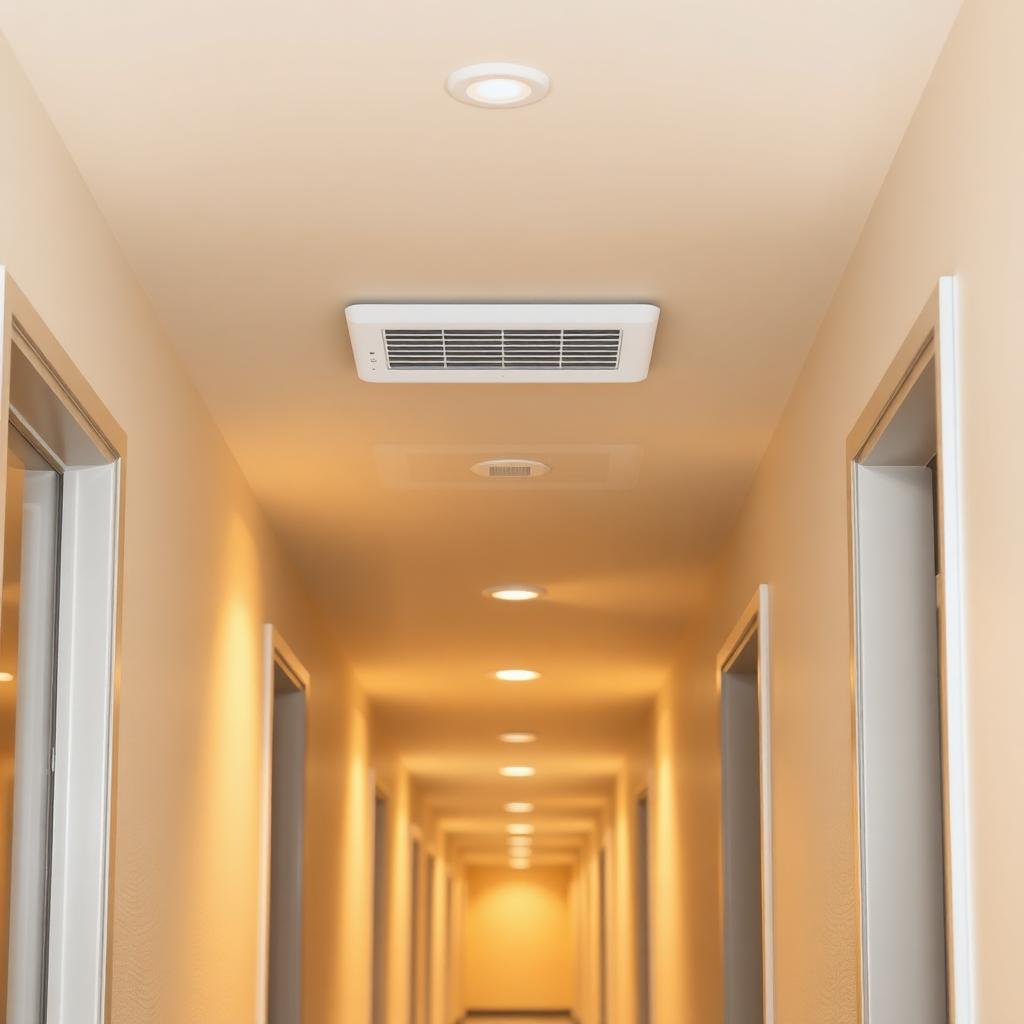
In our New York service area, we often see facilities struggle with these odors because they ignore the HVAC system. Smoke particles are drawn into the return air vents and deposited onto the coils and the interior of the ductwork. If you do not treat the air handling system, every time the heat or air conditioning kicks on, it will redistribute the odor throughout the unit. Effective remediation requires a dual approach that addresses both the physical surfaces and the airborne particles trapped within the ventilation system.
Encapsulation vs. Deep Extraction
For severely contaminated units, cleaning the walls is often insufficient because the tar and nicotine have leached deep into the substrate. This is where the decision between deep extraction and encapsulation becomes critical. Extraction involves using alkaline cleaners to break down the acidic tars, followed by a thorough rinse. However, if the drywall is saturated, the moisture from cleaning can actually draw more odors to the surface as it dries. Encapsulation uses specialized primers designed to seal the odor molecules behind a vapor barrier. Encapsulating a surface is only effective if the neutralizer has been applied first, as sealing untreated odors can lead to paint failure or ghosting where the smell eventually permeates the new coating.
In many multifamily settings, the bathroom is the most concentrated source of smoke odor due to the lack of windows and the presence of moisture, which reactivates the smell. While you may be focused on the living area, integrated restroom odor control protocols are often necessary to handle the specific uric acid and smoke combination found in these smaller, humid spaces. High-humidity areas require moisture-resistant sealants and neutralizing agents that will not degrade when exposed to steam.
Continuous Dosing vs. Shock Treatments
Property managers often face a choice between a "shock" treatment, such as an ozone or hydroxyl generator, and a continuous dosing strategy. Ozone is effective at breaking down organic compounds, but it requires the unit to be completely vacant of humans, pets, and plants, and it can damage certain rubber and plastic components over time. Hydroxyl generators are safer for occupied spaces but take longer to achieve the same results. For units that have a persistent but faint odor, HVAC scent diffusers can be calibrated to deliver a constant stream of neutralizing agents that work silently in the background. The selection of a treatment method should be dictated by the turnover window, as high-intensity shock treatments offer speed while continuous dosing offers long-term stability against residual off-gassing.
In some cases, the odor may not be coming from the walls at all, but rather from the plumbing. Stale air can get trapped in dry P-traps, or smoke can travel through shared plumbing chases. Implementing drain odor elimination during the turnover process ensures that you are not misdiagnosing a sewer gas issue as a tobacco issue. A comprehensive turnover audit must include a check of all air pathways, including plumbing stacks and electrical outlets, where smoke residue commonly accumulates.
Choosing the Right Remediation for Your Property
Selecting the right approach for smoke removal depends on the porosity of the materials in your building and the duration of the previous tenancy. Older buildings with plaster walls may require different chemical neutralizers than modern buildings with standard gypsum board. You must also consider the cost-benefit ratio of replacing soft goods versus attempting to deep-clean them; in most cigarette remediation cases, removing carpets and padding is a non-negotiable step.
Once the heavy lifting of remediation is complete, you can transition the unit into a maintenance phase. This involves ensuring that the air quality remains high and that any minor lingering molecules are managed through subtle, professional methods. If your goal is to create a premium first impression for a high-end unit, you might consider how scent marketing can be used to provide a clean, fresh olfactory signature that reinforces the quality of the renovation.
Have a question or need support with a difficult turnover? Our team is here to help — talk to our team and we'll connect you with the right expert.