
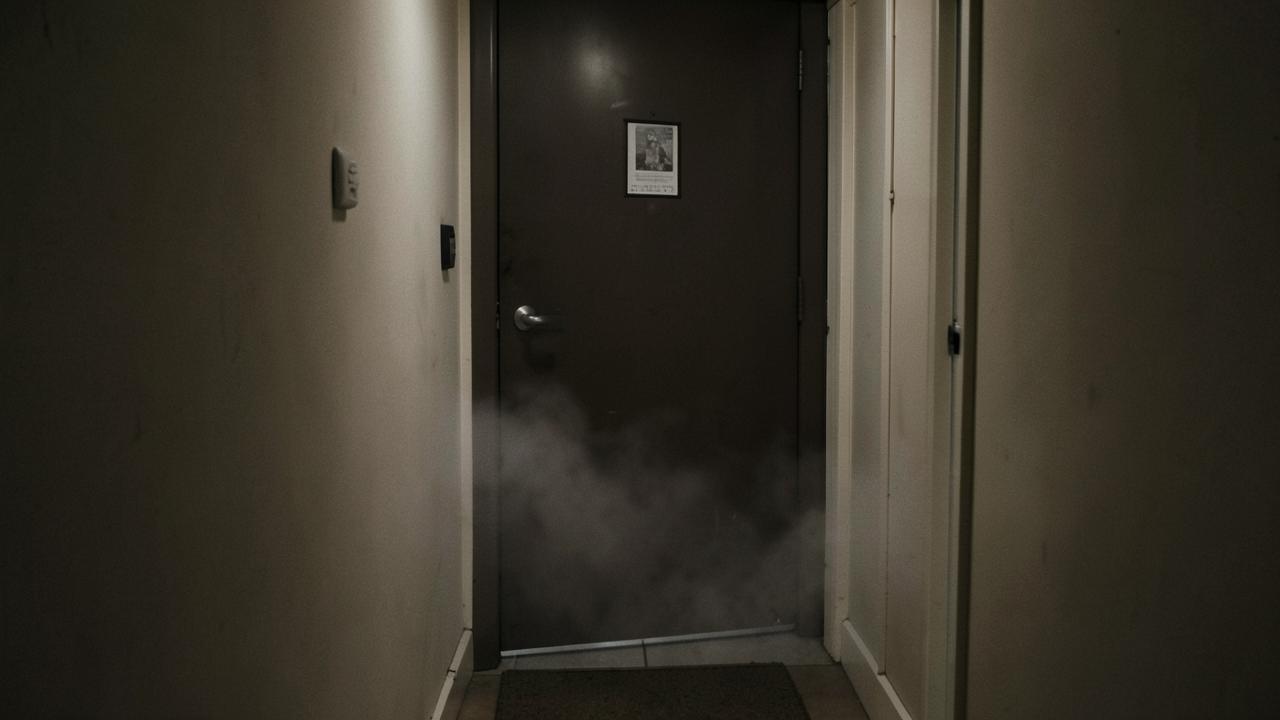
Imagine a Monday morning in a high-rise luxury tower where the lobby air is typically a crisp, signature white tea blend. As you step out of the elevator on the 14th floor, the atmosphere shifts abruptly to a heavy, skunky aroma that has permeated the hallway carpet and seeped into the adjacent units. A resident in 14C has already emailed the board about their 'right to quiet enjoyment' being violated by the neighbor's recreational habits, and the concierge is fielding calls from frustrated parents. The smell isn't just a nuisance; it is a perceived threat to the property's premium status and the comfort of the people who pay for that experience.
Does the building have a ventilation problem or a filtration problem? Is the odor traveling through common area hallways, shared wall cavities, or the building’s centralized HVAC system? How do you address a legal activity that creates a communal disturbance without resorting to heavy perfumes that only add to the sensory overwhelm? Understanding the chemistry of terpenes and the physics of airflow is essential to resolving these friction points.
At Luften, we engineer comprehensive odor control programs designed for the specific architectural challenges of New York and New Jersey high-rises. It can be tricky to balance resident privacy with air quality standards, but there is a right answer for your situation.
This guide examines the technical mechanisms of cannabis odor transmission in high-density residential buildings and provides a framework for selecting neutralization technologies over masking agents. You will learn the difference between vapor phase technology and traditional aerosols, how to leverage existing HVAC infrastructure for common area remediation, and the best practices for maintaining a consistent, neutral air profile that protects your property’s reputation and resident retention rates.
Molecular Neutralization vs. Traditional Masking
When a property manager encounters a pungent odor, the traditional reflex is to deploy a heavy fragrance to cover it up. In the case of cannabis, this usually results in a 'skunk-and-flower' hybrid that is often more nauseating than the original scent. Cannabis smoke contains complex volatile organic compounds, including terpenes and thiols, which are highly detectable by the human nose even at very low concentrations. True odor remediation requires molecular neutralization, a process where a counteracting agent attaches to the malodor molecule and changes its structure so it no longer triggers the olfactory sensors. Unlike heavy oils, these neutralizers are often delivered as a dry vapor that stays suspended in the air longer and does not leave a residue on luxury finishes or fabrics.
The Role of HVAC Integration in Common Areas
In many luxury buildings, the hallway pressurization system is designed to keep cooking and bathroom smells inside individual units, but these systems are rarely perfect. Odors frequently migrate through electrical outlets, recessed lighting, and gaps in baseboards. To combat this, managers are increasingly looking at HVAC scent diffusers that can be tuned to deliver both a signature brand scent and a neutralization component. By treating the air at the source of the building's circulation, you create a baseline of air quality that prevents localized spikes in odor from becoming building-wide issues. Integrating odor control directly into the air handling unit ensures that the neutralizing agent is distributed evenly across every floor, rather than relying on inconsistent wall-plug units or manual spraying.
Identifying Secondary Pathways and Drain Issues
While smoke is the most common complaint, managers must also consider that air travels through plumbing stacks and vent lines. In some cases, a resident might report a 'dank' or 'musty' smell that they attribute to a neighbor, but which is actually the result of dried-out P-traps or biofilm buildup in the floor drains of a mechanical room or fitness center. Implementing a routine for drain odor elimination can help rule out these structural smells so you can focus on the human-element complaints. Distinguishing between organic decay in the plumbing system and combustible material odors is the first step in a professional diagnostic approach. If the smell is isolated to a specific bathroom or kitchen stack, the issue may be a pressure imbalance pulling air out of the pipes rather than a resident's lifestyle choices.
Continuous Dosing vs. Reactive Remediation
Reactive odor control—waiting for a complaint to act—is a losing strategy in a luxury environment because the damage to the resident experience has already occurred. A proactive approach uses automated systems that provide continuous dosing of neutralizing agents during peak hours when residents are home. This is particularly effective in our New York service area, where high-density living makes neighbor-to-neighbor interference inevitable. A managed program that maintains a consistent atmospheric baseline is significantly more effective at reducing complaints than intermittent, high-intensity treatments following a reported incident. Consistency allows the building staff to stay ahead of the problem, ensuring that the first thing a prospective tenant smells is a clean environment, not a cover-up.
Choosing the Right Program for Your Property
Selecting a solution depends largely on the building's layout and the severity of the complaints. For older buildings with porous walls and outdated ventilation, a heavier focus on vapor-phase neutralization in the hallways is necessary. For modern glass towers with tight envelopes, the focus may shift toward scent marketing that incorporates malodor counteractants into the lobby and elevator banks to set a luxury tone from the moment of entry.
Your strategy should also account for the technical limitations of your maintenance staff. An automated, professionally managed system removes the burden of manual application and ensures that the concentration of neutralizing agents remains within safe, effective levels. This data-driven approach allows for adjustments based on seasonal air pressure changes or specific feedback from the board.
Have a question or need support? Talk to our team — we'll connect you with the right expert to evaluate your property's specific air quality and odor control needs.