
Home/Blog/What Actually Makes an Ejector Pit Smell

Product Insights · February 3, 2026 · 6 min read

What Actually Makes an Ejector Pit Smell

Pumping the pit buys two weeks. Here is what is really happening down there — and what it takes to treat it at the source.

By Luften Team

What Actually Makes an Ejector Pit Smell
All posts

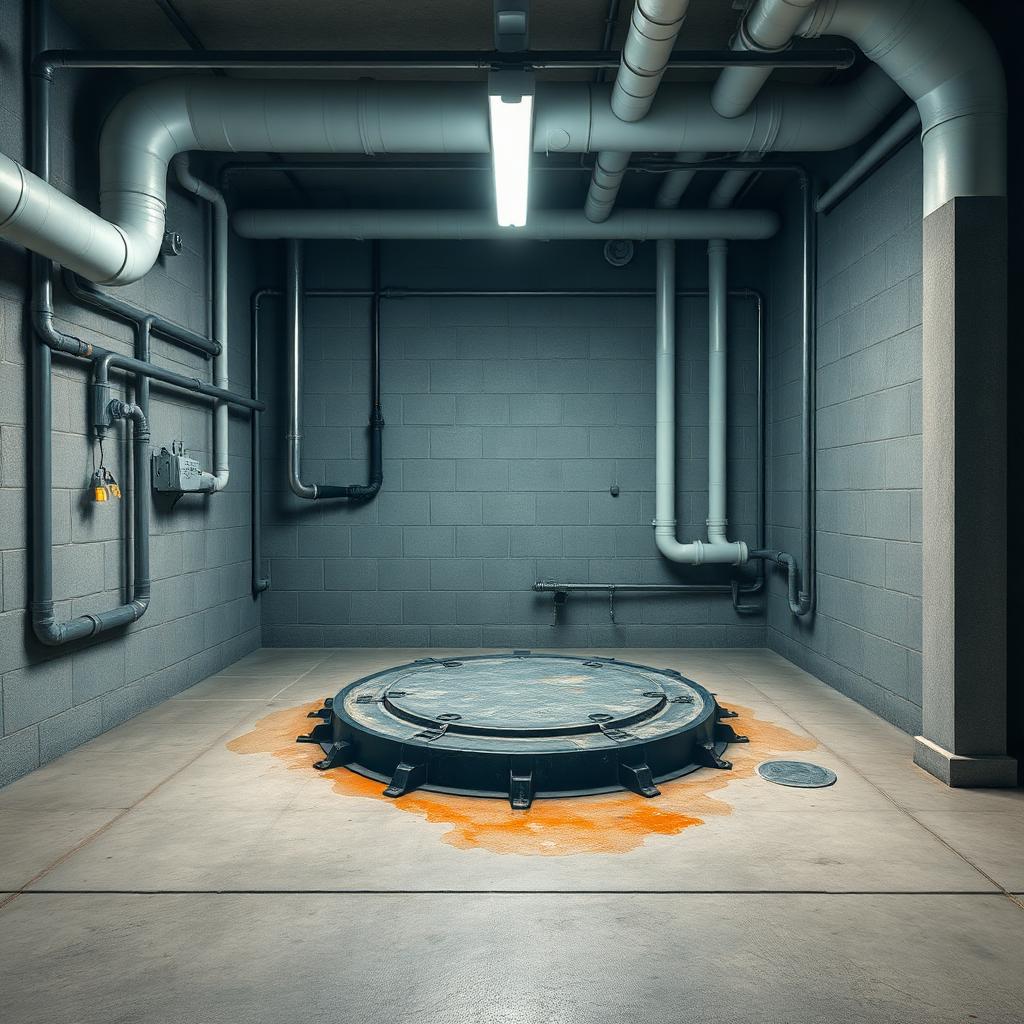
Ejector pits collect everything the building sends down: greywater, food waste, soaps, biofilm, and the bacterial communities that thrive on all of it. Hydrogen sulfide and other volatile compounds rise through the vent stack and escape into mechanical rooms, stairwells, and lobbies.

The three symptoms buildings call us about Pump breakdowns, unpleasant odors, and infestation of water bugs. They're not three separate problems — they're three symptoms of the same untreated pit.

The Lift & Ejector Pit Solution Pumping the pit removes the slurry but resets the clock on a system that is designed to refill. Within a couple of weeks, the bacterial load is back, and so is the smell. Our Lift & Ejector Pit Solution runs continuously, dosing the pit on a schedule that matches its load. The bacterial load that produces H₂S is suppressed, the organic film that water bugs feed on is digested, and pumps stop fouling out between service intervals.

Instead of a sawtooth of pump-and-smell cycles, the building gets a flat line.

Field Tips

Related tips you can put to work today

Ejector Pit Odor Control & Treatment

Ejector pits sit below grade and vent H₂S and methane into the building whenever the pump cycles. Treat vapor and slurry.

  1. 1Install a dedicated ejector pit dispenser that meters vapor-phase neutralizer between pump cycles.
  2. 2Never rely on carbon filters alone — they saturate within weeks in a high-H₂S pit.
  3. 3Confirm the vent stack terminates above the roofline and is not near an HVAC intake.
  4. 4Camera-inspect the pit annually — grease bergs on the float switch cause runaway odor.
  5. 5Add an oxygen-enhanced biological product to digest FOG inside the pit, not just perfume it.
  6. 6Measure H₂S with a handheld meter before and after treatment to prove reduction.
  7. 7If the pit serves a restaurant tenant, dose 2–3× a residential pit.
  8. 8Check the pit lid gasket every quarter — a cracked gasket is a full-floor odor leak.

How Odor Control Actually Works — The Science

Understanding the four odor-control mechanisms tells you what will work and what won't for a given problem.

  1. 1Masking = adding a stronger fragrance to hide odor. Cheap, short-lived, and reads as unprofessional in luxury settings.
  2. 2Absorption = a porous material (carbon, zeolite) traps odor molecules. Great for point sources; saturates and must be replaced.
  3. 3Adsorption = surface bonding of odor molecules to a substrate. Activated carbon is the workhorse for VOCs.
  4. 4Neutralization / encapsulation = a counter-molecule bonds with the odor molecule and changes its structure so your nose can't detect it. The gold standard.
  5. 5Oxidation = ozone, hydroxyls, or chlorine dioxide break down odor molecules chemically. Powerful for remediation; not for occupied spaces.
  6. 6Biological digestion = bacteria and enzymes consume the odor source (grease, urine, organic waste). Slow but permanent.
  7. 7The correct choice depends on the molecule: H₂S needs oxidation, uric acid needs enzymes, cannabis resin needs hydroxyls, ambient body odor needs airflow + encapsulation.
  8. 8If you can smell it 10 minutes after treatment, you masked it. If it's gone in 30 seconds and stays gone, you neutralized it.
Browse the full library at Luften's 400+ odor control tip guides.
#ejector pit smell#ejector pit odor#sewage pit treatment

Get a quote for your upcoming project.

A Luften engineer will scope, price, and schedule a walk-through within 48 hours.

Call NowWhatsApp