
10 field-tested tips
- 1Install a dedicated ejector pit dispenser that meters vapor-phase neutralizer between pump cycles.
- 2Never rely on carbon filters alone — they saturate within weeks in a high-H₂S pit.
- 3Confirm the vent stack terminates above the roofline and is not near an HVAC intake.
- 4Camera-inspect the pit annually — grease bergs on the float switch cause runaway odor.
- 5Add an oxygen-enhanced biological product to digest FOG inside the pit, not just perfume it.
- 6Measure H₂S with a handheld meter before and after treatment to prove reduction.
- 7If the pit serves a restaurant tenant, dose 2–3× a residential pit.
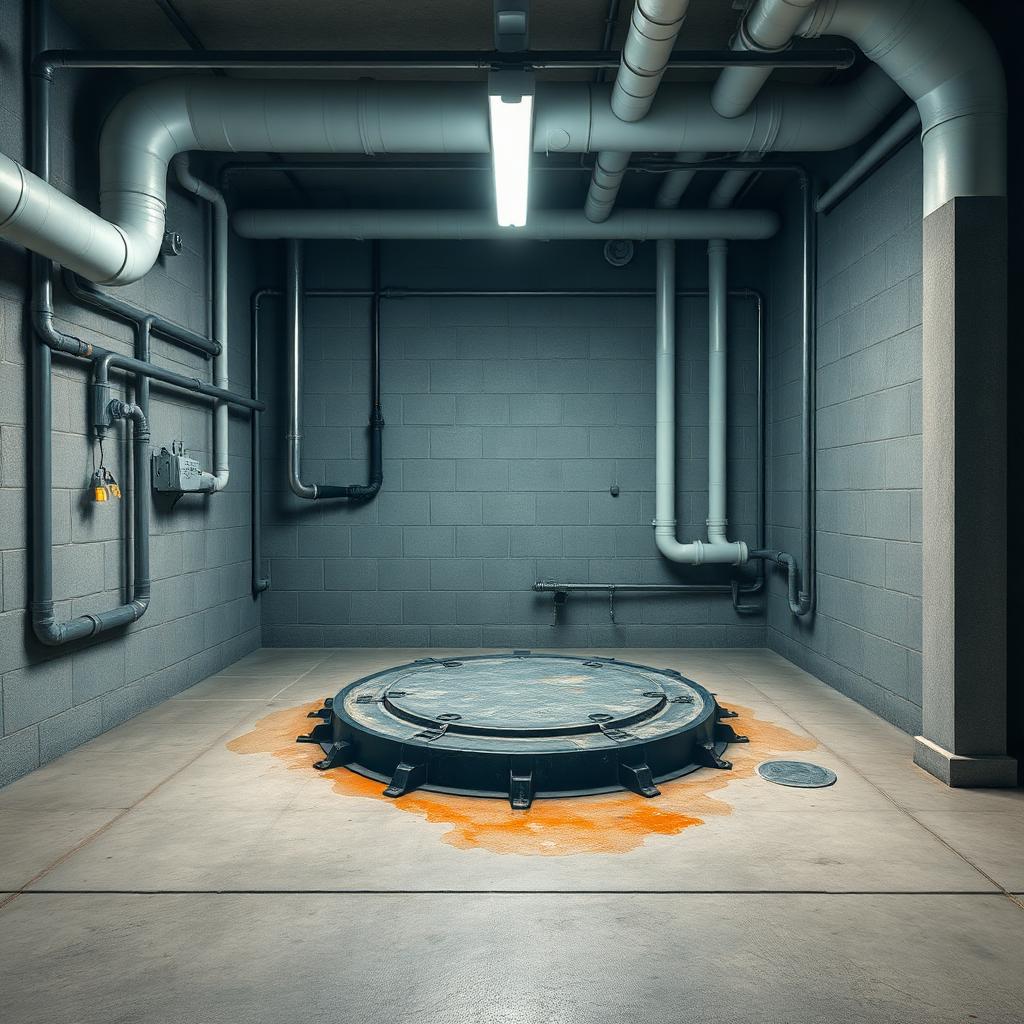
- 8Check the pit lid gasket every quarter — a cracked gasket is a full-floor odor leak.
- 9Never pour bleach or drain opener into an ejector pit — you'll kill the biology and generate chlorine gas.
- 10Log pump cycle counts — a sudden spike means the float is fouled, and odor is about to spike too.
Want Luften to run this program for you?
Patented chemistry, managed dispensing, and one vendor for chute, waste room, pit, lift station, elevator pit, restroom, and signature scent.