
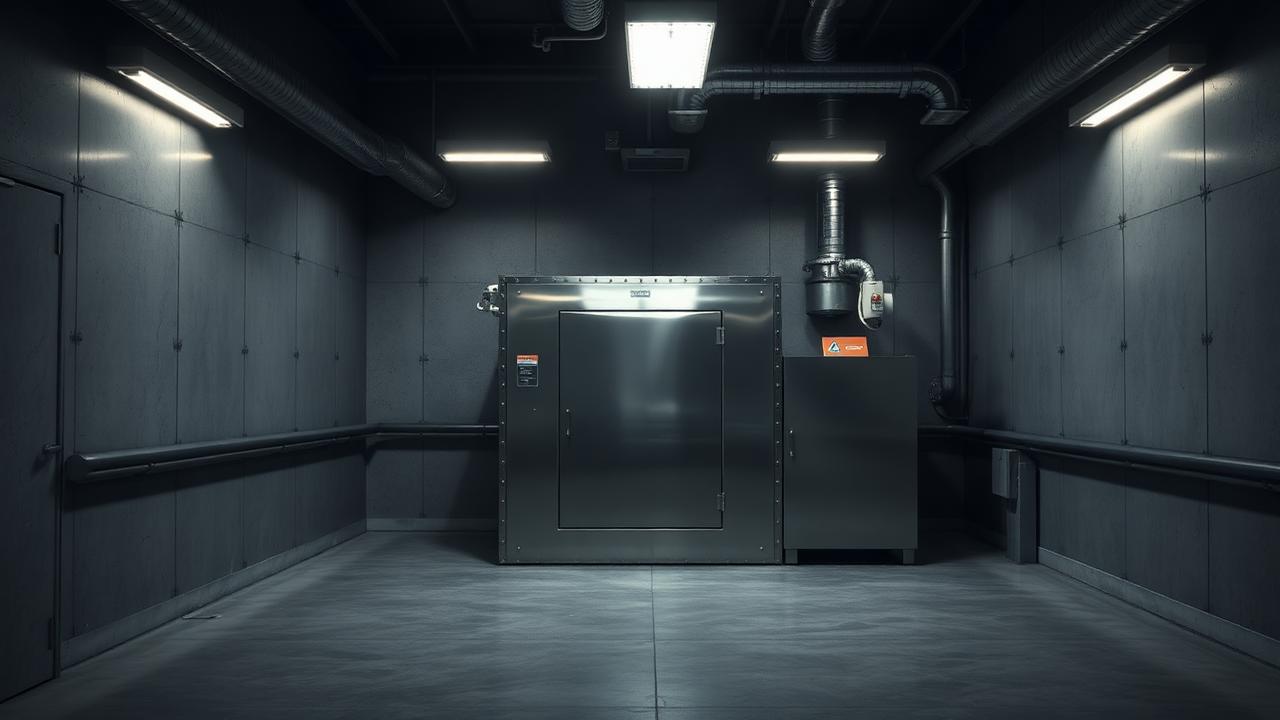
A Tuesday afternoon in late July brings a specific type of tension to the management office of a high-rise residential tower. The humidity has peaked, and despite the janitorial team spending four hours pressure washing the compactor room yesterday, the lobby smells like rotting organic waste every time the elevator doors cycle. Residents are beginning to bypass the primary entrance to avoid the stench, and the building engineer is already fielding complaints about flies migrating from the loading dock into the lower-level corridors. The temporary relief provided by the morning wash has evaporated, replaced by the heavy, sweet scent of decomposing refuse and stagnant moisture.
Is the recurring smell a result of poor cleaning technique, or is it an inevitable byproduct of the building’s waste volume? Should you double the frequency of your power washing schedule, or is there a mechanical solution that handles the load without constant manual labor? Understanding the difference between surface cleanliness and atmospheric neutralization is the first step toward reclaiming your facility’s air quality.
At Luften, we design and manage engineered odor control programs for complex high-rise environments. It can be tricky to manage the constant influx of organic waste in a high-traffic building, but there is a right answer for your situation.
This guide examines the mechanical and chemical differences between reactive power washing and proactive continuous dosing for trash compactor rooms. By the end of this article, you will understand the limitations of manual cleaning, the science of molecular encapsulation, and how to determine which strategy will provide a lasting solution for your property’s specific waste profile.
The Limitations of Scheduled Power Washing
Power washing is a foundational element of facility hygiene, yet it is often misapplied as a primary odor control strategy. When a team uses high-pressure water to clear a compactor floor, they are effectively removing bulk solids and surface-level grime. However, odor-causing bacteria often reside in the porous substrates of concrete floors, behind the compactor’s ram head, and within the microscopic cracks of the machinery itself where a pressure wand cannot reach. The introduction of water can sometimes exacerbate the problem; by increasing the humidity in the room, you provide the remaining bacteria with the moisture they need to thrive and off-gas more aggressively.
Furthermore, power washing is a point-in-time intervention. The moment the first bag of trash is dropped down the chute after the floors have dried, the odor accumulation begins again. While manual cleaning is necessary for sanitation, it cannot address the continuous off-gassing of hydrogen sulfide and mercaptans that occurs between service visits. For properties in our New York service area, the high density of residential waste means that a room cleaned at 8:00 AM can reach peak odor levels by noon.
The Mechanism of Continuous Dosing
Continuous dosing systems operate on a different principle than physical cleaning. Instead of removing the waste, these systems treat the air and the surfaces of the refuse continuously using automated misting or vaporization technology. These systems are typically mounted above the compactor or integrated into the chute housing, releasing a metered amount of neutralizing chemistry at set intervals or via motion sensors. This ensures that the concentration of the treatment agent remains consistent, regardless of how much trash is being processed.
Unlike simple masking agents—which attempt to cover bad smells with heavy perfumes—professional dosing systems use molecular encapsulation or bio-enzymatic digesters. Encapsulation works by chemically bonding to the odor molecule and changing its structure so the human nose can no longer detect it. Continuous dosing is more effective than periodic cleaning because it creates a constant chemical barrier that neutralizes odors at the exact moment they are released from the waste. When combined with regular trash chute cleaning, this approach prevents the upward migration of smells into residential hallways.
Surface Treatment vs Atmospheric Neutralization
When evaluating a solution, you must distinguish between treating the "source" (the trash itself) and the "environment" (the air in the room). Power washing is a surface treatment that focuses on the floor and walls. Continuous dosing can be configured to do both. Some systems utilize high-pressure nozzles to spray a fine mist directly onto the compactor ram, while others use dry-vapor technology to treat the ambient air.
In many high-rise applications, the problem isn't just the compactor room; it is the air pressure within the building that pulls odors from the basement and pushes them into the upper floors. If you only treat the surfaces, the air itself remains contaminated. Effective odor management requires an atmospheric approach that neutralizes airborne particles before they can be drawn into the building’s common areas. This is similar to how HVAC scent diffusers manage air quality in lobbies, but with a focus on neutralization rather than just fragrance.
Choosing the Right Program for Your Property
Selecting between these methods—or deciding how to combine them—depends largely on your building’s infrastructure and the volume of waste generated. A smaller residential building with a daily pickup might manage with weekly power washing and a simple drip system. However, a large-scale commercial or residential complex requires a more robust, automated approach to maintain a professional environment and resident satisfaction.
Most high-performing facilities find that a hybrid model is most effective. This involves a baseline of mechanical cleaning to prevent the buildup of grease and biofilms, supported by an automated dosing system that provides 24/7 protection. By automating the odor control, you reduce the labor burden on your staff and eliminate the "peaks and valleys" of air quality that occur with manual cleaning schedules.
Have a question or need support? Our team is here to help — we'll connect you with the right expert to evaluate your compactor room and design a lasting solution.