
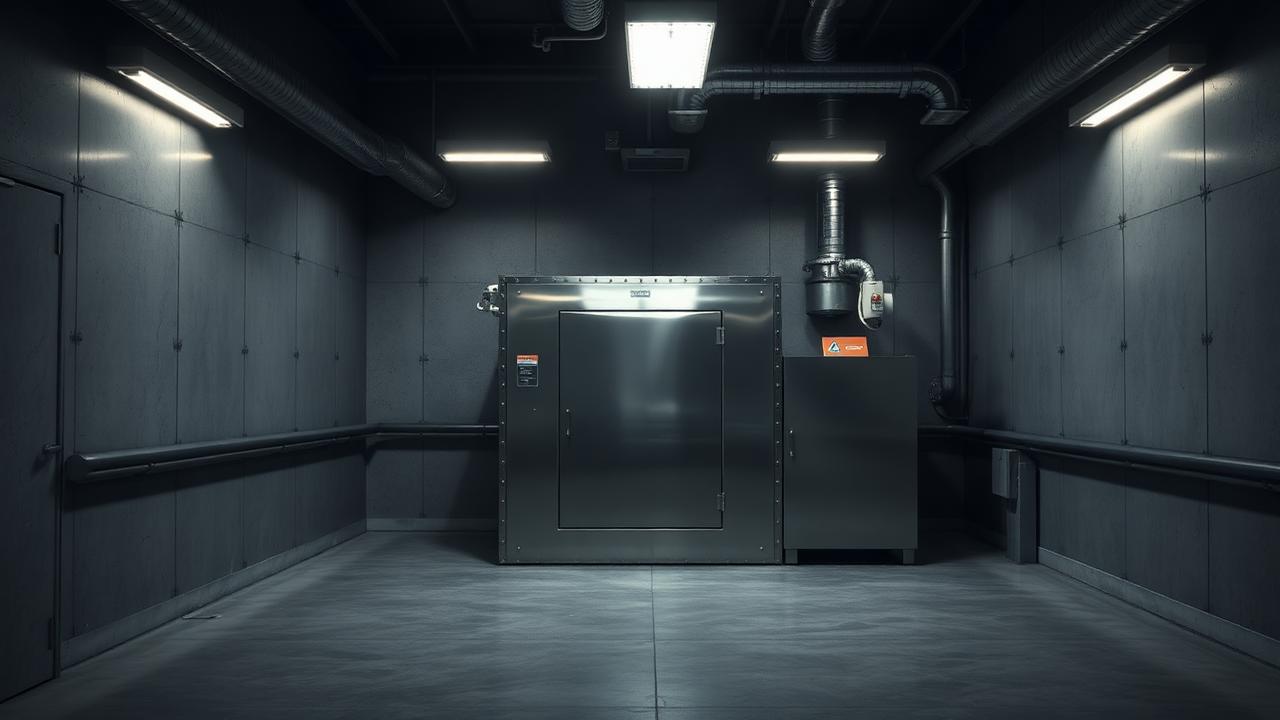
Picture this: it is a humid Tuesday in mid-July, and the service elevator is stuck on the ground floor. Every time the doors open, a heavy, sour wave of decomposing organic matter and stagnant moisture rolls out from the compactor room, drifting toward the lobby. You have already had two complaints from residents on the second floor, and the porter just spent three hours hosing down the floor, yet the metallic, rotting scent remains embedded in the concrete. The heat index is rising, and the traditional method of soap and water is no longer keeping up with the volume of waste produced by three hundred units.
Is the recurring smell a sign of a failed cleaning schedule, or is it a chemical reality of organic decay? Does the solution require more physical labor, or does it require a change in how you neutralize the air? Can a one-time deep clean actually solve a problem that regenerates every time a resident drops a bag down the chute? Understanding the difference between mechanical cleaning and chemical source treatment is essential for maintaining air quality in high-density residential environments.
At Luften, we design and implement engineered odor control programs for complex high-rise environments. It can be tricky to manage the constant influx of organic waste in a confined space, but there is a right answer for your situation.
This guide examines the mechanical and chemical differences between scheduled power-washing and continuous chemical dosing systems, explaining how each impacts the microbial breakdown of waste, the neutralization of volatile organic compounds (VOCs), and the long-term maintenance of the compactor room environment; by the end, you will understand how to choose a protocol that minimizes resident complaints and preserves facility assets.
The Limitations of Scheduled Power-Washing
Power-washing is a mechanical process designed to remove physical debris and surface-level accumulation. When a porter or a professional crew washes a compactor room, they are using high-pressure water and surfactants to dislodge fats, oils, and greases that have adhered to the floor and the base of the machinery. While this is necessary for sanitation, it is a reactive measure that only addresses the odor present at the moment of cleaning. Within hours of the floor drying, new organic matter begins to leak from trash bags, and the cycle of decay restarts.
Furthermore, heavy water usage in a compactor room often introduces a secondary problem: increased humidity. In poorly ventilated New York City basements, moisture trapped in concrete pores and behind equipment creates the perfect breeding ground for anaerobic bacteria, which produce hydrogen sulfide—the "rotten egg" smell. While mechanical cleaning is necessary for debris removal, it cannot provide a lasting solution because it does not address the continuous off-gassing of the waste inside the compactor unit itself.
Continuous Dosing and the Science of Neutralization
Continuous dosing systems operate on a different principle than periodic cleaning. These systems use automated timers or sensors to release a metered amount of specialized chemistry—often bio-enzymatics or molecular neutralizers—directly into the compactor head or the air space above it. Unlike masking agents, which use heavy perfumes to cover smells, these chemicals are designed to encapsulate odor molecules or break down the organic compounds that bacteria feed on.
For managers overseeing trash chute cleaning cycles, a dosing system acts as a constant defensive barrier. As new waste is compressed, the system releases a fine mist that coats the refuse, slowing the rate of decomposition and neutralizing odors at the source before they can travel up the vertical shaft. The primary advantage of continuous dosing is its ability to maintain a consistent baseline of air quality, preventing the spikes in odor that typically occur between cleaning shifts.
Source Treatment vs. Air Masking
It is vital to distinguish between treating the source and simply scenting the air. In many luxury buildings, there is a temptation to use HVAC scent diffusers to pump fragrance into hallways to hide compactor smells. This often results in a "garbage-floral" mix that residents find even more offensive. A true source treatment protocol targets the bacteria and the chemical byproducts of decay, such as cadaverine and sulfur compounds.
In facilities where organic waste is particularly high, such as those with large volumes of food waste, bio-enzymatic digesters are often the most effective tool. These live microbes "eat" the organic buildup in the compactor and the surrounding drains. This technology is similar to what is used in professional grease trap maintenance to prevent blockages and foul air. Effective odor control must prioritize molecular neutralization over fragrance, as masking agents fail to eliminate the harmful gases produced by decomposing waste.
The Role of Microbiological Dosing in Drain Health
Compactor rooms are frequently equipped with floor drains that become secondary sources of foul air. As liquids leak from the compactor, they carry particulate matter into the drain lines, where it settles and rots. This creates a thick biofilm that power-washing cannot reach. If left untreated, these drains can become a source of fruit fly infestations and sewer gas backup.
By integrating the compactor dosing system with a drain odor elimination strategy, you ensure that the chemicals used to treat the trash also protect the plumbing infrastructure. The enzymes that break down waste in the compactor continue to work as they wash down the drain, preventing the accumulation of sludge that leads to backups. A holistic approach that treats both the machinery and the drainage system reduces the total microbial load of the room, leading to a measurably cleaner environment.
Choosing the Right Protocol for Your Property
Selecting the right system depends on your building's specific architecture and waste volume. If your compactor room is located directly adjacent to a lobby or a high-traffic residential corridor, a continuous dosing system is non-negotiable. The risk of a single "odor event" damaging the building's reputation is too high to rely solely on a porter's cleaning schedule. Properties with lower waste volumes or superior ventilation may find that a combination of monthly professional deep cleans and basic odor blocks is sufficient.
For managers in our New York service area, the challenges often include aging infrastructure and cramped basement footprints where air stagnates. In these cases, we recommend a dual-action approach: weekly mechanical cleaning to remove physical buildup, supplemented by a 24/7 automated dosing system to manage the chemical off-gassing. This ensures that the room remains sanitary and the air remains neutral, regardless of the weather or the time of week.
Ultimately, the goal is to move from a reactive state to a proactive state. By understanding the chemistry of decay and the mechanics of neutralization, you can implement a program that actually lasts, rather than one that just fades away as soon as the floor dries. The most successful facilities are those that view odor control as a technical engineering requirement rather than a housekeeping task.
Have a question or need support? Our team is here to help — we'll connect you with the right expert.