
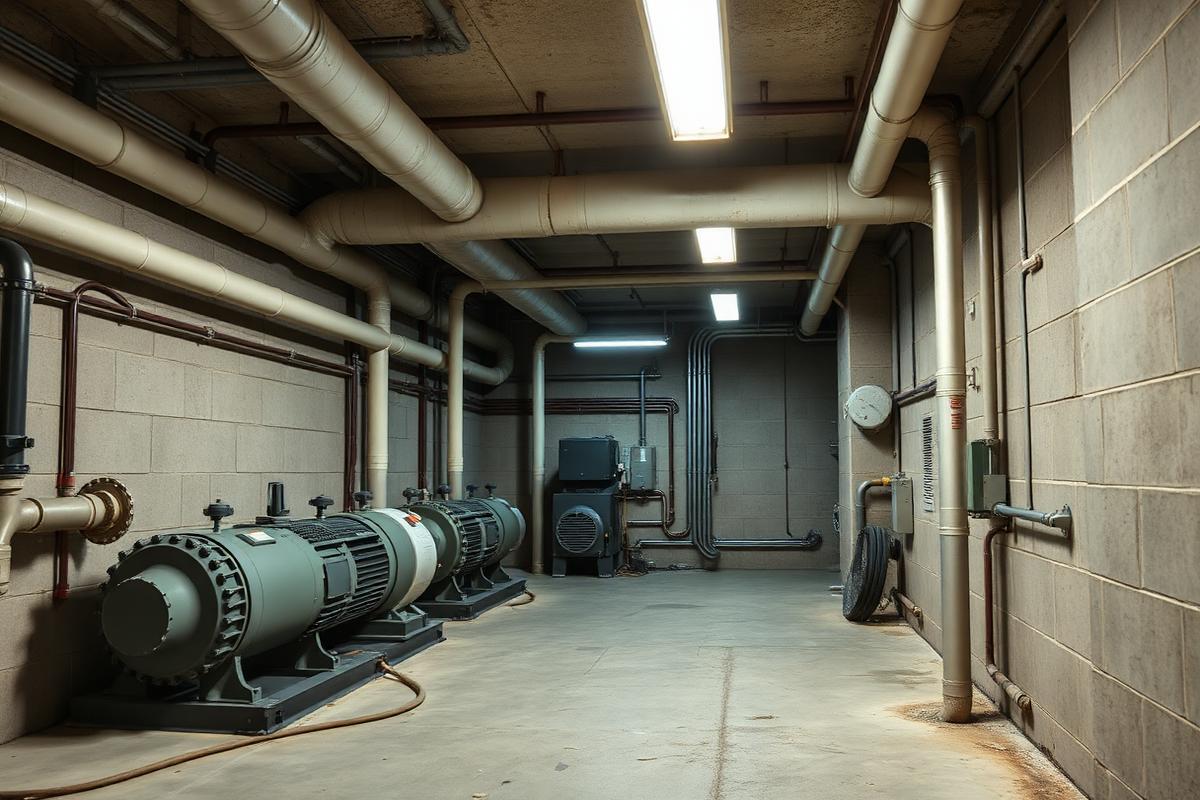
A technician pulls the heavy iron grate off a wet well on a humid Tuesday morning and is immediately met by the distinct, pungent scent of rotten eggs. While the smell is a nuisance for the neighboring residential complex, the real concern is visible on the concrete walls and the guide rails of the submersible pumps. The surface of the concrete is soft and crumbling, showing the white, pasty residue of calcium sulfate, while the copper wiring in the control panel is turning a brittle black. This isn't just a nuisance issue; the infrastructure is literally dissolving under the influence of sulfuric acid created by the off-gassing of hydrogen sulfide.
Is the current chemical feed enough to stop the structural decay, or is it merely masking the smell? Are you dealing with a localized collection system issue or a systemic retention time problem that requires a broader approach? Understanding the difference between odor masking and true sulfide prevention is the key to extending the life of your municipal assets.
At Luften, we design and manage engineered odor control programs for complex municipal and industrial environments. It can be tricky to balance tight municipal budgets with the high cost of infrastructure replacement, but there is a right answer for your situation.
This guide explores the chemical and biological mechanisms behind H2S formation in municipal lift stations, the critical distinction between liquid-phase treatment and vapor-phase neutralization, and the specific strategies required to protect concrete and metal assets from acid-driven corrosion. By the end of this article, you will be able to identify the warning signs of advanced corrosion and select a dosing strategy that prioritizes asset longevity over temporary odor relief.
The Mechanism of Biogenic Sulfuric Acid Corrosion
Hydrogen sulfide (H2S) is produced in wastewater systems when bacteria in the slime layer, or biofilm, utilize sulfates in the absence of oxygen. When wastewater remains stagnant in force mains or wet wells for extended periods, it becomes anaerobic, triggering this biological process. Once the H2S gas escapes the liquid phase and enters the headspace of a lift station, it reacts with moisture and oxygen on the walls to form sulfuric acid. This acid is what causes the rapid degradation of concrete, metal piping, and electrical components. Effective [lift station & ejector pit care](/lift-station-care) requires a strategy that addresses the anaerobic conditions in the slime layer rather than just treating the surface of the water. Because the corrosion happens above the water line, simply dumping chemicals into the influent without understanding the turbulence and off-gassing points will result in wasted budget and continued structural failure.
Liquid-Phase Treatment vs. Vapor-Phase Neutralization
When managing a lift station, you must decide whether to treat the sulfide while it is still dissolved in the water or after it has turned into a gas. Liquid-phase treatments, such as nitrate addition or iron salts, work by preventing the formation of H2S or by chemically bonding with it to keep it in the liquid. This is often the most effective way to prevent corrosion because it stops the gas from ever reaching the headspace. Vapor-phase systems, such as scrubbers or localized atomization, treat the air to eliminate complaints from the public. While vapor-phase systems are excellent for community relations, they often fail to protect the internal infrastructure because the H2S still exists in high concentrations within the wet well itself. For municipalities in our New Jersey service area where residential encroachment on utility easements is common, a hybrid approach is often necessary to protect both the equipment and the local quality of life.
Continuous Dosing vs. Shock Treatment
Many departments rely on reactive cleaning or high-volume shock dosing when a lift station reaches a critical odor threshold. While this provides immediate relief, it does little to stop the continuous cycle of corrosion. Continuous, automated dosing systems utilize sensors to monitor flow and sulfide levels, adjusting the chemical feed in real-time. This ensures that the biological activity in the biofilm is constantly suppressed. A consistent, metered dosing program is significantly more cost-effective than premature pump replacement or structural relining of the wet well. By maintaining a steady chemical environment, you prevent the 'rebound effect' where sulfide levels spike shortly after a manual cleaning or a one-time chemical dump.
Choosing the Right Program for Your Infrastructure
Selecting a mitigation strategy depends heavily on the specific chemistry of your influent and the retention time within your collection system. A lift station at the end of a long force main will have different requirements than a small ejector pit in a commercial district. You must evaluate the PH levels, the presence of fats, oils, and grease (FOG), and the physical condition of the concrete. Integrating a comprehensive program that includes both biological inhibitors and mechanical maintenance is the only way to ensure 20-year asset life.
For facilities throughout our New York service area, we recommend a site-specific audit to measure H2S levels at various times of the day. This data allows for a precision-engineered approach that reduces chemical waste while maximizing the protection of your pumps and controls. Transitioning from reactive repairs to a proactive maintenance playbook will ultimately save the department hundreds of thousands of dollars in capital expenditures.
Have a question or need support? Our team is here to help — talk to our team and we'll connect you with the right expert.