
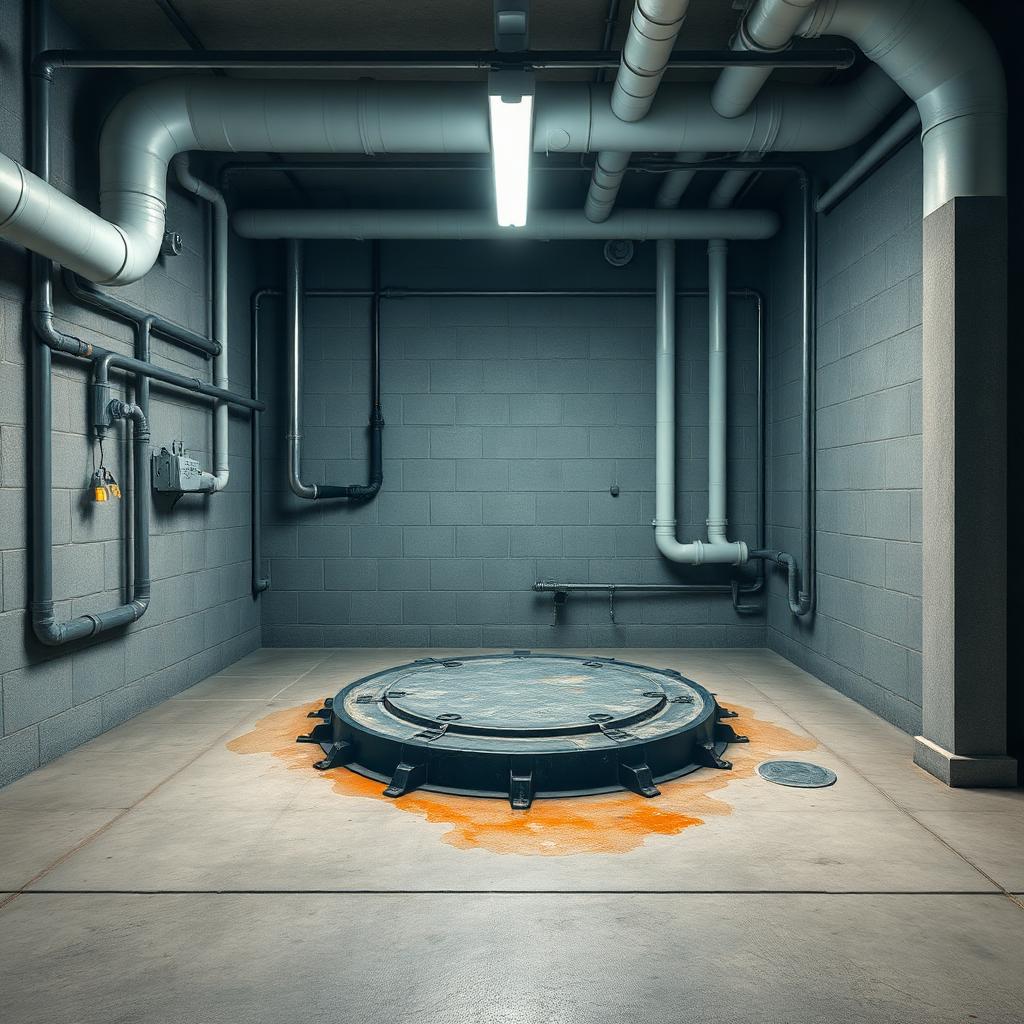
Picture this: you are walking a prospective tenant through a high-end commercial basement space, but as you approach the mechanical room, the distinct, sharp sulfur smell of sewage permeates the hallway. The ejector pit, buried beneath a steel plate, is cycling properly, yet the air in the room feels heavy and corrosive. Even with the exhaust fans running at full capacity, the odor persists, creeping up the elevator shafts and into the ground-floor lobby. You have tried pouring bleach down the floor drains and tightened the gasket on the pit cover, but within forty-eight hours, the hydrogen sulfide gas returns.
Is the smell a sign of mechanical failure or a chemical imbalance in the wastewater? Are the vent stacks obstructed, or is the biological load simply too high for the current retention time? Can the odor be neutralized at the molecular level, or are you doomed to manage symptoms indefinitely? Understanding the distinction between masking an odor and altering the chemistry of the pit is the first step toward a permanent solution.
At Luften, we design and implement engineered programs for building systems throughout the tri-state area. It can be tricky to diagnose the root cause of pump room smells, but there is a right answer for your specific facility requirements.
This guide examines the fundamental causes of ejector pit and pump room odors, the difference between chemical masking and biological remediation, and how to establish a maintenance cadence that prevents the buildup of hydrogen sulfide and methane. By the end of this article, you will understand how to transition from reactive troubleshooting to a proactive odor-control strategy that protects your building’s infrastructure and air quality.
Source Treatment vs. Air Neutralization
When a pump room develops a foul smell, the immediate instinct is often to treat the air using high-output fans or reactive deodorizers. While these methods may temporarily lower the concentration of airborne molecules, they do nothing to address the anaerobic activity occurring inside the pit. Most ejector pit odors are the result of organic matter—solids, fats, and proteins—breaking down in an oxygen-deprived environment. This process releases hydrogen sulfide (H2S), which not only smells like rotten eggs but is also highly corrosive to copper wiring and steel components. Effective source treatment requires addressing the biological sludge layer at the bottom of the pit where these gases are generated.
Air neutralization, on the other hand, utilizes vapor systems or nebulization to intercept odor molecules before they leave the mechanical room. This is a secondary layer of defense that should be used in conjunction with lift station & ejector pit care rather than as a standalone fix. If you only treat the air, you are allowing the corrosive gases to continue degrading your pumps and float switches. A comprehensive approach uses automated dosing to break down the solids at the source while using air-phase technology to manage any residual gases that escape during the pump cycle.
Biological Remediation vs. Chemical Oxidation
Chief engineers must choose between two primary methods for treating the contents of the pit: biological remediation or chemical oxidation. Chemical oxidizers, such as potassium permanganate or hydrogen peroxide, work by instantly reacting with sulfide molecules to neutralize them. While powerful, these chemicals are often hazardous to handle and provide no long-term residual effect. Once the chemical is spent, the odor returns as new waste enters the system. For long-term stability, biological remediation using facultative bacteria is generally the superior choice for commercial ejector pits.
These specialized bacteria consume the organic fats, oils, and grease (FOG) that accumulate on the surface and walls of the pit. By reducing the organic load, you eliminate the food source for the sulfate-reducing bacteria that produce H2S gas. This process is similar to how high-performance grease trap maintenance prevents backups and foul smells in commercial kitchens. When these microbes are introduced via a consistent, automated dosing pump, they create a self-sustaining environment that keeps the pit walls clean and the wastewater manageable.
Mechanical Integrity and Venting Logic
Even the best chemical or biological program will fail if the mechanical integrity of the system is compromised. Ejector pits are designed to be airtight, with vent stacks providing a clear path for gases to exit the building at the roofline. If you smell sewer gas in the basement, it usually means there is a breach in the system. Check the gaskets around the pit cover and the seals where the discharge and vent pipes exit the lid. Over time, these seals dry out or crack, allowing drain odor elimination efforts to be undermined by simple structural leaks.
Furthermore, the venting logic of the room must be considered. In many older buildings across our New York service area, pump rooms are under positive pressure relative to the hallways, which forces odors out into tenant spaces every time a door is opened. Ensuring the pump room maintains a slight negative pressure while verifying the unobstructed flow of the primary vent stack is critical to containing odors. If the vent stack is partially blocked by debris or ice, the pressure from an incoming flush will force sewer gas out through the weakest seal in the pit or through nearby floor drain P-traps that have evaporated.
Choosing the Right Program for Your Property
Selecting an odor control strategy requires an analysis of your building’s specific wastewater profile. A residential high-rise with high greywater volume faces different challenges than a commercial office building where the ejector pit may sit stagnant for the duration of a weekend. The frequency of the pump cycles, the age of the infrastructure, and the proximity of the pump room to sensitive tenant areas all dictate the level of intervention required.
A successful program begins with a thorough cleaning of the pit to remove years of accumulated sludge, followed by the installation of a metered dosing system. This ensures that the treatment chemistry is always present, regardless of whether the building is at peak occupancy or empty. By maintaining the chemistry of the water, you reduce the mechanical strain on your pumps and extend the life of your equipment.
If your facility is located in our New Jersey service area or New York City, local environmental regulations regarding wastewater discharge must also be factored into your choice of treatment. Using biodegradable, non-corrosive biological blockers ensures compliance while achieving the desired air quality results. Consistent monitoring and adjustment of these systems will prevent the recurrence of the odors that lead to tenant complaints and equipment failure.
Have a question or need support? Talk to our team — we'll connect you with the right expert.