
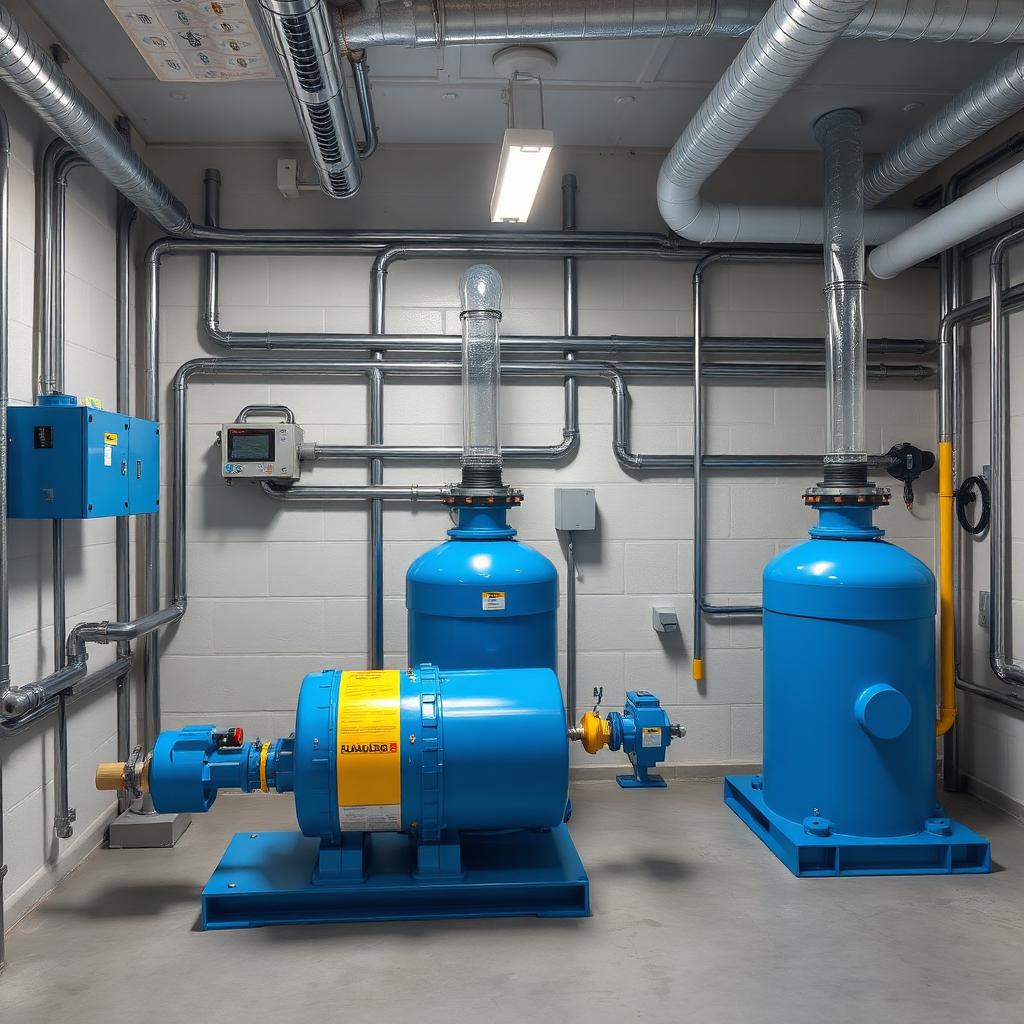
10 field-tested tips
- 1Run a continuous vapor-phase dispenser in the wet-well headspace.
- 2Add an oxygen-releasing product to break down FOG inside the well.
- 3Confirm the wet well is sealed — a cracked access hatch pushes odor into mechanical rooms.
- 4Route the vent above the roofline and away from cooling towers, gardens, and windows.
- 5Snake the force main annually — grease inside the force main causes intermittent 'mystery' odors.
- 6Reduce hold-time: adjust float switches so sewage doesn't sit for hours between pumps.
- 7Never dump enzyme cleaners on top of a chemical program — they cancel each other out.
- 8Install a corrosion-resistant panel; H₂S will eat a standard control panel in 2–3 years.
- 9Watch the amp draw — rising amps mean grease on impellers, and odor is right behind.
- 10Document every service visit; hospitality clients need a paper trail for guest complaints.
Why it matters
Odor complaints can indicate wastewater turning septic, accumulated solids, or gas escaping through equipment connections. Hydrogen sulfide also attacks concrete and copper. A weaker smell does not establish safe conditions: odor perception is not a reliable gas detector. Investigate complaints at the source rather than judging conditions from occupied areas.
Practical steps
Check whether complaints coincide with pump discharge, heavy inflow, or idle periods. Inspect accessible discharge connections for leakage without opening the wet well. Verify that the dosing reservoir is feeding: look for an empty supply, blocked tubing, or a pump that runs without delivering chemical. Check alarm history and confirm that standby equipment is available. Have maintenance staff investigate rag and wipe buildup when pump performance changes.
When to call a professional
Call a qualified contractor for recurring alarms, suspected gas leaks, or deposits that require wet-well access. Wet-well entry requires confined-space specialists; building staff should not enter to investigate a smell. If occupants develop symptoms or a gas alarm activates, leave the affected area and contact emergency responders.
How Luften handles it
Luften offers a free on-site survey and written treatment recommendation. Its managed service programs include documented visits. Above-deck chemical dosing equipment can be installed without shutting down the station. Cleaning and pump service typically require pump-around arrangements or alternating-pump operation to maintain wastewater handling.
Lift station careWant Luften to run this program for you?
Patented chemistry, managed dispensing, and one vendor for chute, waste room, pit, lift station, elevator pit, restroom, and signature scent.