
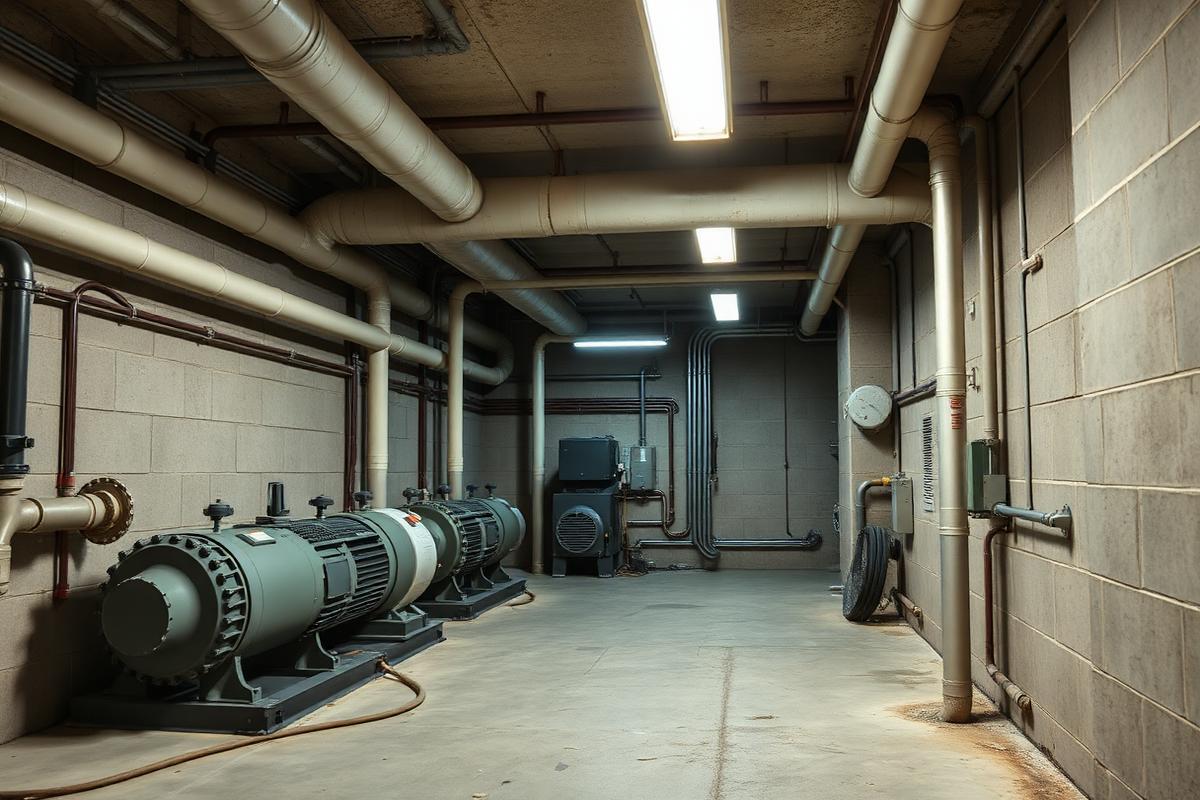
Picture this: it is a humid Tuesday afternoon in July, and the cooling system in your basement mechanical room is working overtime. As the service elevator doors open, a heavy, sulfurous wall of air hits you—the unmistakable scent of rotting eggs that has begun to drift into the first-floor lobby. A resident from 1B has already left a voicemail mentioning a ‘sewage smell’ near the fitness center, and you know that if the air quality isn't addressed before the evening rush, the building group chat will be flooded with complaints. The source isn't a simple spill; it is coming from the subterranean lift station that hasn't been serviced since the spring thaw.
Do you need to increase the frequency of pump-outs or adjust the chemical composition of the pit? Is the odor a result of mechanical failure in the venting system or a biological buildup within the wet well itself? Can the current ventilation handle the off-gassing, or is the turbulence in the line creating a pressurized release of sewer gas? Understanding the distinction between a temporary nuisance and a systemic wastewater failure is essential for any facility manager.
At Luften, we design and implement engineered programs to mitigate environmental nuisances in high-density environments. It can be tricky to diagnose the specific point of failure in a complex plumbing stack, but there is a right answer for your situation.
This guide examines the engineering behind lift station and sewer line odors in residential basements, focusing on the biological processes that produce hydrogen sulfide and the mechanical factors that allow these gases to migrate into tenant spaces. By the end of this article, you will be able to distinguish between different types of sewer gas, understand how turbulence affects gas release, and determine whether your facility requires mechanical repair or biological source treatment.
Source Treatment vs Masking in Subterranean Pits
When a lift station begins to emit foul odors, the immediate instinct is often to deploy high-strength fragrances to cover the scent. However, in a confined basement environment, masking agents rarely succeed because they do not address the chemistry of the waste. Lift stations operate by collecting wastewater in a wet well until it reaches a certain level, at which point a pump moves it to a higher elevation or a gravity sewer. During the time the waste sits in the pit, anaerobic bacteria begin to break down organic matter, a process that releases hydrogen sulfide (H2S) gas. Effective odor control requires neutralizing these sulfur compounds at the molecular level rather than simply layering a scent over the top of the gas.
For properties in our New York service area, the challenges are compounded by aging infrastructure and high-density discharge. If you only use masking agents, the corrosive H2S gas continues to eat away at concrete walls and metal components within the pit, leading to expensive structural failures. A professional lift station & ejector pit care program utilizes oxidizing agents or nitrate-based treatments that provide an alternative oxygen source for bacteria, preventing the formation of H2S in the first place.
Turbulence and Pressure in Sewer Line Migration
Sewer gas does not always stay within the pipes; it moves according to pressure differentials. In many residential buildings, odors in the basement occur because of turbulence at the point of discharge. When a pump kicks on and forces a high volume of water into a force main or a manhole, the resulting agitation releases trapped gases into the air space of the pipe. If the building’s venting system is obstructed or undersized, this pressurized gas will seek the path of least resistance, which is often a floor drain with a dried-out P-trap or a faulty seal on a cleanout plug. Monitoring the air pressure and vent integrity of your discharge lines is just as critical as managing the chemistry of the effluent itself.
In scenarios where the plumbing is sound but odors persist, the issue is often a buildup of FOG (fats, oils, and grease) and biofilm along the pipe walls. This organic layer acts as a breeding ground for odor-causing microbes throughout the entire horizontal run of the basement piping. Implementing a consistent drain odor elimination strategy involving biological catalysts can break down this biofilm, reducing the gas load before it ever reaches the lift station or the city main.
Biofilm Accumulation vs Mechanical Failure
It is vital to distinguish between a biological issue and a mechanical one. A mechanical failure, such as a broken float switch or a seized pump, leads to stagnant water and an immediate, overwhelming stench as the pit overflows or goes septic. However, most chronic odors are the result of gradual biofilm accumulation. Biofilm is a complex matrix of bacteria that clings to the walls of the wet well and the pump hardware, shielded from standard wash-downs by a protective slime layer. Traditional pressure washing provides temporary relief, but unless the biological matrix is dissolved, the odor-producing bacteria will recolonize the surface within forty-eight hours.
Unlike trash chute cleaning, which focuses on physical debris removal, wastewater odor control relies on sustained chemical or biological intervention. For facilities in our New Jersey service area, seasonal temperature swings can accelerate this biological activity, making a winter maintenance schedule inadequate for the heavy organic loads seen in the summer months.
Choosing the Right Program for Your Property
Selecting the correct approach for lift station odor requires an assessment of your building's specific flow rates and the age of your infrastructure. A small residential building with a single ejector pit may only need a metered dosing pump to introduce odor-neutralizing chemistry during peak flow hours. Conversely, a large multi-tower complex with a central lift station may require a more robust system that includes both liquid phase treatment for the water and vapor phase treatment for the air space within the mechanical room.
Building engineers should prioritize solutions that are non-corrosive to protect the longevity of the pumps and sensors. While heavy-duty degreasers may seem effective for clearing grease, they can sometimes interfere with the natural bacterial balance needed for municipal treatment plants. The goal is to create a stable environment where odors are mitigated at the source, ensuring that the air in the basement remains as neutral as the air in the lobby.
Have a question or need support? Our team is here to help — we'll connect you with the right expert to evaluate your facility's specific wastewater challenges and provide a tailored solution. Talk to our team to learn more about our engineering-first approach to building maintenance.