
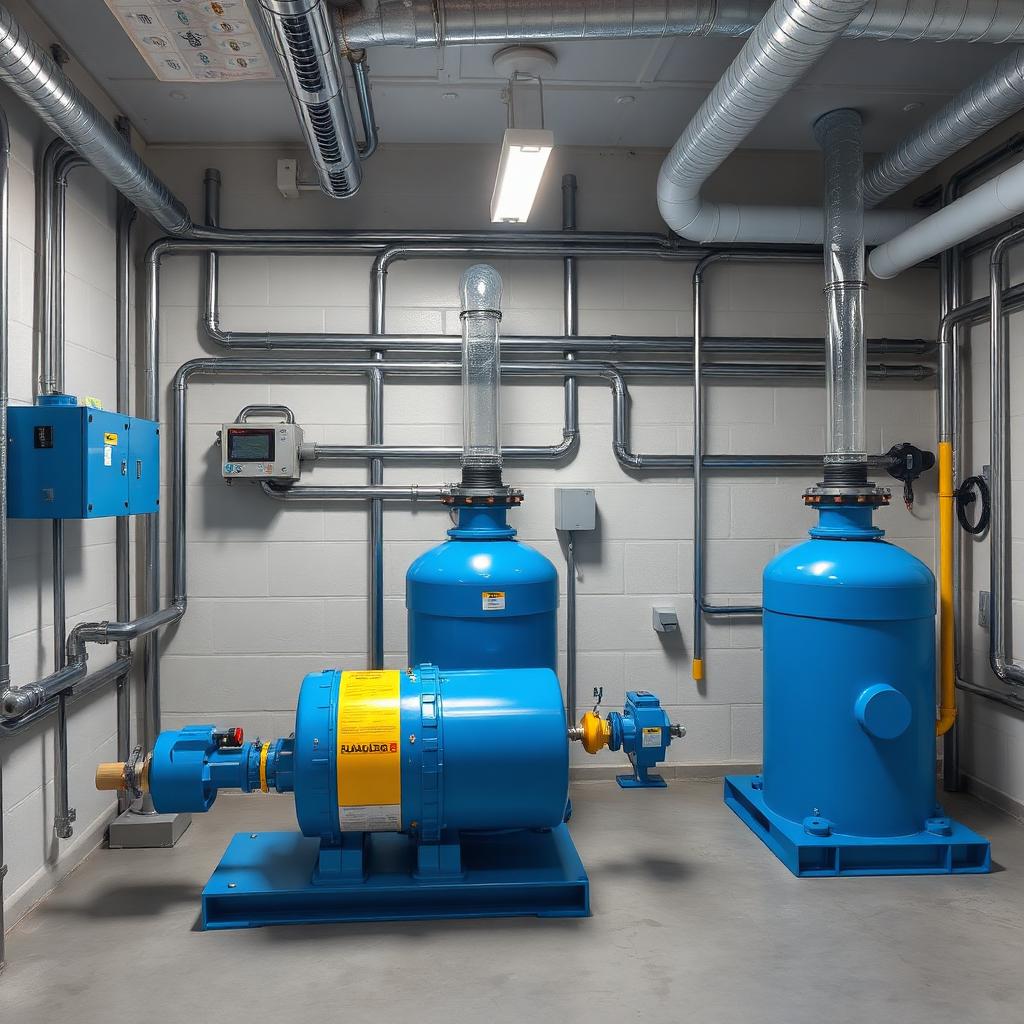
You are standing on the deck of a primary lift station during a humid July morning. As the pumps cycle, the distinctive smell of rotten eggs wafts up from the wet well, but the odor is the least of your concerns. When you look at the concrete walls and the iron guide rails, you see a crumbly, white-yellow paste where solid material used to be. The metal hardware is pitted, and the electrical conduits show signs of premature degradation despite being replaced only two seasons ago. This isn't just a nuisance for the neighbors; it is the visual evidence of biogenic sulfuric acid eating away at your municipality's capital assets.
How do you determine if your current dosing strategy is actually stopping the corrosion or just masking the scent? Is the turbulence in your wet well contributing to gas release, or is the source of the problem miles upstream in a low-flow force main? Can you extend the life of these assets by five or ten years through chemical intervention alone?
At Luften, we provide engineered wastewater solutions that address the root causes of infrastructure decay. It can be tricky to balance tight municipal budgets with the high cost of equipment replacement, but there is a right answer for your specific flow dynamics.
This guide examines the chemical and biological processes that lead to hydrogen sulfide (H2S) generation and subsequent sulfuric acid corrosion in municipal wastewater systems. By the end of this article, you will understand the difference between liquid-phase and vapor-phase treatments, how to identify structural vulnerability before a collapse occurs, and how to implement a sustainable maintenance program that protects both your budget and your community.
The Chemistry of Infrastructure Decay
The process begins in the anaerobic environment of stagnant or slow-moving wastewater. Sulfate-reducing bacteria (SRB) living in the biofilm, or slime layer, on the pipe walls consume organic matter and sulfates, releasing dissolved hydrogen sulfide gas as a byproduct. When this water reaches a point of high turbulence, such as a lift station inlet or a drop manhole, the dissolved gas is released into the atmosphere. Once airborne, the H2S gas interacts with moisture and Thiobacillus bacteria on the damp surfaces above the water line to create sulfuric acid. Understanding that corrosion occurs primarily in the headspace of the wet well rather than underwater is critical for selecting the correct mitigation strategy. Because the acid reacts with the calcium hydroxide in concrete, it converts the structural material into gypsum, which has no structural integrity and eventually sloughs off.
Liquid-Phase Treatment vs. Vapor-Phase Treatment
When addressing H2S, operators generally choose between treating the water itself or treating the air in the headspace. Liquid-phase treatments, such as nitrate dosing, work by providing an alternative oxygen source for bacteria. This encourages the growth of nitrate-reducing bacteria, which outcompete the sulfate-reducing bacteria, effectively preventing the H2S from forming in the first place. Conversely, vapor-phase systems like carbon scrubbers or chemical misters capture the gas after it has already escaped the water. While vapor-phase systems are excellent for immediate odor reduction, they often fail to protect the upstream pipes where the gas is still actively corroding the crown of the sewer. For comprehensive lift station & ejector pit care, a liquid-phase approach is usually preferred as it protects the entire length of the force main.
Chemical Precipitation and Oxidation Strategies
Another common approach involves the use of iron salts, such as ferrous chloride or ferric chloride. These chemicals react with dissolved sulfide to form an insoluble precipitate that remains in the liquid stream, preventing the gas from ever entering the air. This is a highly effective method for high-flow municipal lines, though it does increase the volume of solids that must be managed at the treatment plant. Oxidation, using chemicals like hydrogen peroxide or sodium hypochlorite, provides a rapid kill of bacteria and immediate destruction of H2S molecules. Chemical oxidation is most effective as a shock treatment for severe buildup but may be less cost-effective than nitrate dosing for long-term, continuous maintenance. Selecting the right chemical requires a thorough analysis of your specific odor control programs to ensure compatibility with downstream biological processes.
Physical and Mechanical Considerations
Not all H2S problems require a chemical solution; sometimes the hydraulics of the station are to blame. High-drop inlets that cause excessive splashing significantly increase the rate of H2S off-gassing. Installing drop pipes to submerge the inlet can reduce turbulence and keep the gas dissolved in the liquid until it reaches the treatment plant. Additionally, the buildup of fats, oils, and grease (FOG) can create pockets where anaerobic activity thrives. Proper grease trap maintenance across the collection system reduces the organic load that feeds sulfate-reducing bacteria. Minimizing turbulence and maintaining clean wet well surfaces are the most cost-effective ways to supplement a chemical dosing program.
Choosing the Right Program for Your Facility
Developing a playbook for H2S management requires a multi-step evaluation. You must first measure the atmospheric H2S levels over a 24-hour period to understand peak loading times. Following this, a structural audit of your concrete and metal components will reveal if you are dealing with a localized problem or a systemic failure.
For municipalities in our New York service area or throughout our New Jersey service area, the fluctuating seasonal temperatures also play a role in bacterial activity. Warmer months will always require a more aggressive dosing schedule than the winter, and your program should be flexible enough to adjust to these changes without wasting chemicals.
Have a question or need support? Talk to our team — we'll connect you with the right expert.