
A prospective resident walks through your glass entry doors into a lobby with thirty-foot ceilings. The marble is polished, the concierge is attentive, but the air carries a faint, stale humidity from the street and the lingering metallic scent of the elevator cables. As you move toward the residential lounge, the air feels thin and disconnected from the luxury brand you are trying to project. You are managing a 40-floor tower where every square foot is premium real estate, yet the sensory experience is inconsistent, varying wildly from the lobby to the amenity deck to the upper-floor corridors.
How do you ensure a consistent brand experience across 500,000 square feet of vertical space? Is it more efficient to tie into the central air handling units or to deploy localized hardware in high-traffic zones? Does the engineering of your ventilation system support a single-source solution, or will internal pressure differentials render it ineffective?
At Luften, we design and maintain engineered air quality and fragrance programs for complex vertical environments. It can be tricky to balance scent intensity with mechanical air changes per hour, but there is a right answer for your situation.
This guide examines the technical distinctions between HVAC-integrated scenting and standalone diffusion, specifically within the context of high-rise engineering. You will learn how airflow dynamics affect fragrance distribution, how to evaluate the maintenance requirements of each system, and how to determine which configuration provides the most consistent experience for your residents and guests.
HVAC Integration vs. Zoned Standalone Units
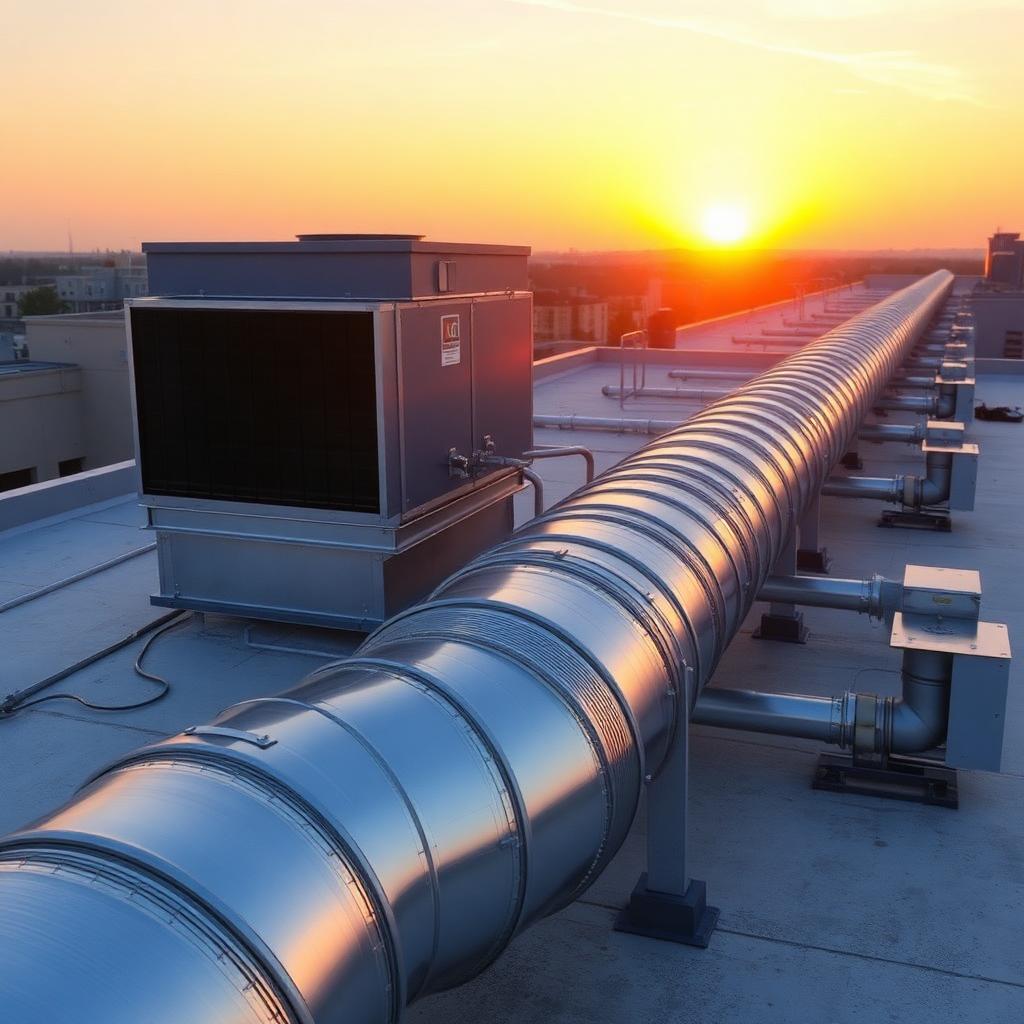
HVAC scenting systems function by injecting cold-air nebulized fragrance directly into the supply ductwork of your air handling units (AHUs). Because the fragrance is carried by the existing airflow, it utilizes the building's own infrastructure to reach every vent connected to that specific zone. This is often the preferred method for expansive lobbies or multi-floor amenity spaces where a single standalone unit would lack the reach to cover the volume. The primary advantage of HVAC-integrated systems is their ability to provide an invisible, uniform scent profile without the presence of visible hardware in the designer space. This method relies on the Bernoulli principle, ensuring that the sub-micron particles remain suspended in the air stream for long periods without falling out as residue inside the ducts. If you are managing [hotel lobby scenting in NYC](https://luften.com/hotel-lobby-scenting-nyc), HVAC integration often provides the most professional, unobtrusive result.
Standalone diffusers, conversely, are self-contained units that sit on the floor, mount to a wall, or are concealed behind furniture. These are best suited for areas with independent ventilation or places where the central HVAC does not run consistently. In a 40-floor tower, standalone units are frequently deployed in elevator banks or specific corridors where the airflow is stagnant. Standalone units offer higher granular control, allowing you to adjust the intensity of a specific room without affecting the rest of the floor or building. While they require more frequent physical inspections than a single mechanical room installation, they provide redundancy; if one unit fails, the rest of the building remains unaffected.
The Physics of Cold-Air Nebulization
Regardless of the delivery method, high-rise scenting relies on cold-air nebulization technology. Unlike heat-based or evaporative systems, nebulization uses high-pressure filtered air to break down fragrance oils into a dry mist of nanoparticles. These particles are significantly smaller than typical dust or pollen, allowing them to follow the natural currents of the room rather than settling on the floor. In large-scale [scent marketing](https://luften.com/scent-marketing) applications, this is critical because it prevents the buildup of oils on expensive fabrics, carpets, or sensitive electronic equipment. Because these particles are so light, they can travel through hundreds of feet of ductwork in an HVAC system without condensing into liquid. This ensures that the scent arriving at the vent on the far side of the lobby is identical in character and quality to the scent at the source.
Continuous Dosing and Maintenance Logistics
In a luxury residential environment, consistency is the metric of success. An HVAC-integrated system is typically housed in the mechanical room, which simplifies the refill process for engineering staff. Instead of tracking 20 different standalone units across multiple floors, a technician manages a few large-capacity canisters at the AHU level. However, this requires a sophisticated understanding of the building’s BMS (Building Management System) to ensure the scent is only dispersed when the fans are active. Successful scenting programs must be synchronized with the building’s ventilation schedule to prevent scent pockets from accumulating during unoccupied hours. For facilities that already utilize [odor control programs](https://luften.com/odor) for trash rooms or loading docks, adding HVAC scenting to the maintenance rotation is a logical extension of existing facility protocols.
Standalone units require a different logistics strategy. Because they are located in public or residential areas, refills must be performed discreetly. In a high-rise, these units are often placed in areas where air pressure fluctuates, such as near elevator shafts or stairwells. These "stack effect" zones can pull scent out of a room quickly, requiring higher output settings or more frequent replenishment. When selecting hardware, you must account for the square footage and the air change rate to ensure the fragrance does not become either overwhelming or undetectable.
Choosing the Right System for Your Property
Selecting the correct configuration depends heavily on your building’s mechanical layout. For new construction or modern glass towers with centralized [HVAC scent diffusers](https://luften.com/hvac-scent-diffuser), integration is almost always the superior choice for public spaces. It offers the cleanest aesthetic and the most reliable distribution of scent across large volumes. If your goal is to create a signature atmosphere that feels like a natural part of the architecture, the AHU-based approach is the standard.
For older buildings or those with decentralized terminal units (like PTACs or individual water-source heat pumps in each unit), standalone diffusers provide the necessary flexibility. You can target the specific touchpoints where residents spend the most time, such as the concierge desk or the gym entrance, without trying to fight the building’s inherent ventilation limitations. In many 40-floor towers, a hybrid approach is used: HVAC integration for the massive lobby and standalone units for the executive offices and elevator cabs.
Have a question or need support? Our team is here to help — we'll connect you with the right expert.