
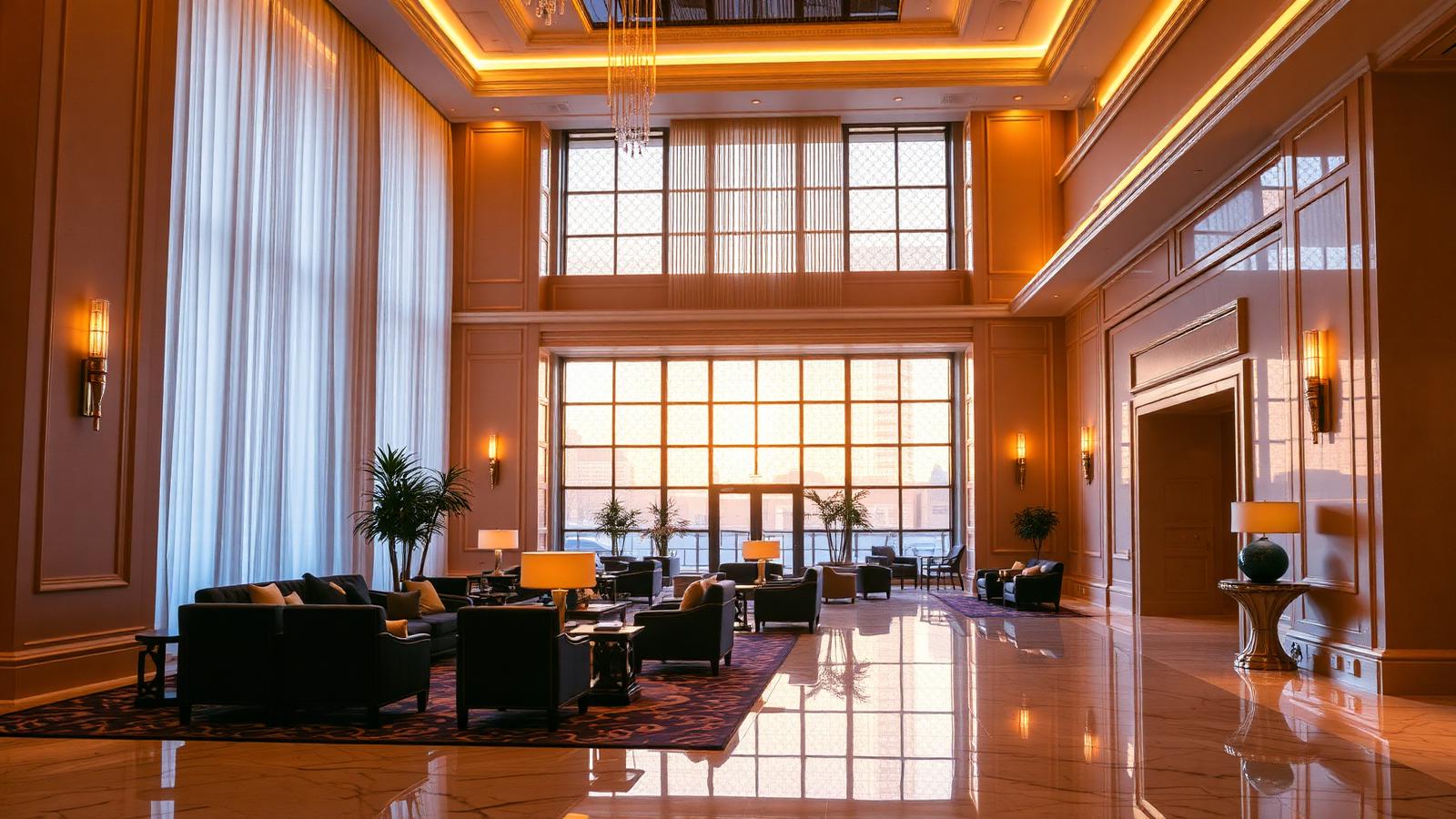
A high-end residential lobby serves as the first impression for every prospect and the daily welcome for every resident, but environmental factors often work against that experience. Imagine a Tuesday morning in October where the humidity is high, the morning rush of dogs has just passed through the revolving doors, and a faint, sulfurous scent begins to drift from the elevator bank toward the concierge desk. Even with a dedicated porter staff mopping every hour, the smell persists, clinging to the heavy drapery and the porous stone flooring. It is a subtle but pervasive issue that suggests a lack of maintenance, even when the facility is visually spotless.
Is the odor a result of stagnant air within the mechanical systems, or is it a localized biological issue stemming from a nearby source? Should you be increasing the frequency of surface cleaning, or is the solution found in the chemistry of the air itself? Understanding whether you are dealing with a ventilation deficiency or a bacterial byproduct is essential to maintaining a premium environment.
At Luften, we design and manage integrated environmental systems for the most demanding properties in the tri-state area. It can be tricky to diagnose the root cause of atmospheric issues, but there is a right answer for your situation.
This guide examines the mechanical and biological drivers of lobby odors, the difference between masking agents and molecular neutralization, and how to implement a long-term solution that functions without constant manual labor. By the end of this article, you will be able to distinguish between HVAC-based issues and drainage failures, allowing you to deploy the correct engineering response to maintain a neutral, welcoming environment.
Source Neutralization vs. Surface Cleaning
Most facility managers initially respond to a lobby odor by increasing the use of floor cleaners and surface disinfectants. While these protocols are necessary for hygiene, they rarely address the malodors that become trapped in the air or within porous materials. Odors are composed of volatile organic compounds (VOCs) that travel as gases; a liquid cleaner on a marble floor cannot reach a gas molecule suspended six feet in the air. Furthermore, many traditional cleaning products rely on heavy fragrances that merely overlay the existing smell, creating a cloying, dishonest atmosphere that residents often find more offensive than the original odor.
To achieve true neutrality, you must utilize molecular encapsulation or oxidation. These processes do not hide the odor; they change the chemical structure of the odor molecule so it no longer triggers the human olfactory response. For properties in our New York service area, this often involves treating the air as it circulates rather than just scrubbing the surfaces it touches. Effective lobby odor control requires transitioning from reactive surface cleaning to a proactive program that neutralizes odors at the molecular level as they emerge.
HVAC Integration vs. Standalone Diffusers
When a lobby covers a large footprint or features high ceilings, standalone plug-in units or tabletop diffusers are insufficient. They create "scent pockets" where the fragrance is overwhelming near the device but non-existent twenty feet away. This inconsistency signals a lack of professional oversight. Instead, luxury properties utilize cold-air nebulization technology integrated directly into the building's mechanical systems. By using HVAC scent diffusers, you ensure that treated air is distributed evenly through existing ductwork, reaching every corner of the lobby simultaneously.
This method uses dry-mist technology to break down essential oils and neutralizers into nanoparticles. These particles are so light that they float rather than fall, ensuring they stay in the breathing zone longer without leaving a residue on expensive furniture or finishes. Integrating your odor management system directly into the HVAC infrastructure provides a consistent, invisible layer of protection that standalone units simply cannot replicate.
Identifying Subsurface Drainage Issues
Often, what looks like an air quality problem is actually a plumbing problem. In many NYC and New Jersey service area buildings, the lobby is located directly above or adjacent to mechanical rooms, ejector pits, or grease traps. If the P-traps in floor drains dry out, sewer gases—primarily hydrogen sulfide—can migrate upward into the lobby. This results in a persistent "rotten egg" or damp basement smell that no amount of ambient scenting can fully overcome.
If the odor is localized near elevator shafts or utility closets, you may be dealing with a biofilm buildup in the drains or a failure in the wastewater system. Implementing a specialized drain odor elimination program ensures that biological enzymes are regularly introduced to break down the organic matter that feeds odor-causing bacteria. If you detect a recurring sulfurous or earthy scent, the solution likely lies in your wastewater infrastructure rather than your ventilation system.
The Role of Scent as an Amenity
Once the lobby environment has been neutralized, you can move from "fixing a problem" to "creating an experience." In the luxury residential market, scent is increasingly treated as a high-end amenity, similar to lighting or acoustics. The goal is not to perfume the room, but to create a signature atmosphere that aligns with the building's brand identity. This is commonly referred to as scent marketing, where a specific olfactory profile is used to reinforce a sense of luxury and calm.
For managers of high-traffic properties, this involves choosing sophisticated notes—such as white tea, cedar, or citrus—that feel natural rather than synthetic. The delivery must be subtle enough that a resident barely notices it, yet consistent enough that they feel a sense of "home" the moment they step off the street. A well-designed ambient scenting program should complement the architecture of the space, acting as an invisible finish that enhances the resident's arrival experience.
Choosing the Right System for Your Facility
Selecting a lobby odor strategy requires a thorough audit of your building's airflow, high-traffic zones, and potential odor sources. A one-size-fits-all approach typically fails because it ignores the unique physics of your lobby. You must determine if you need a high-output system to combat heavy urban pollution and pet traffic, or a more delicate, distributed system to maintain a quiet luxury atmosphere.
Maintenance is the final, critical component. Any system you install must be managed by professionals who monitor fluid levels, adjust timings based on occupancy patterns, and ensure the equipment is functioning at peak efficiency. Relying on staff to refill bottles or change batteries often leads to lapses in coverage, which residents will notice immediately.
Talk to our team to discuss how a customized program can stabilize your building's environment and eliminate the need for emergency cleaning interventions. Our team is here to help—we'll connect you with the right expert.