
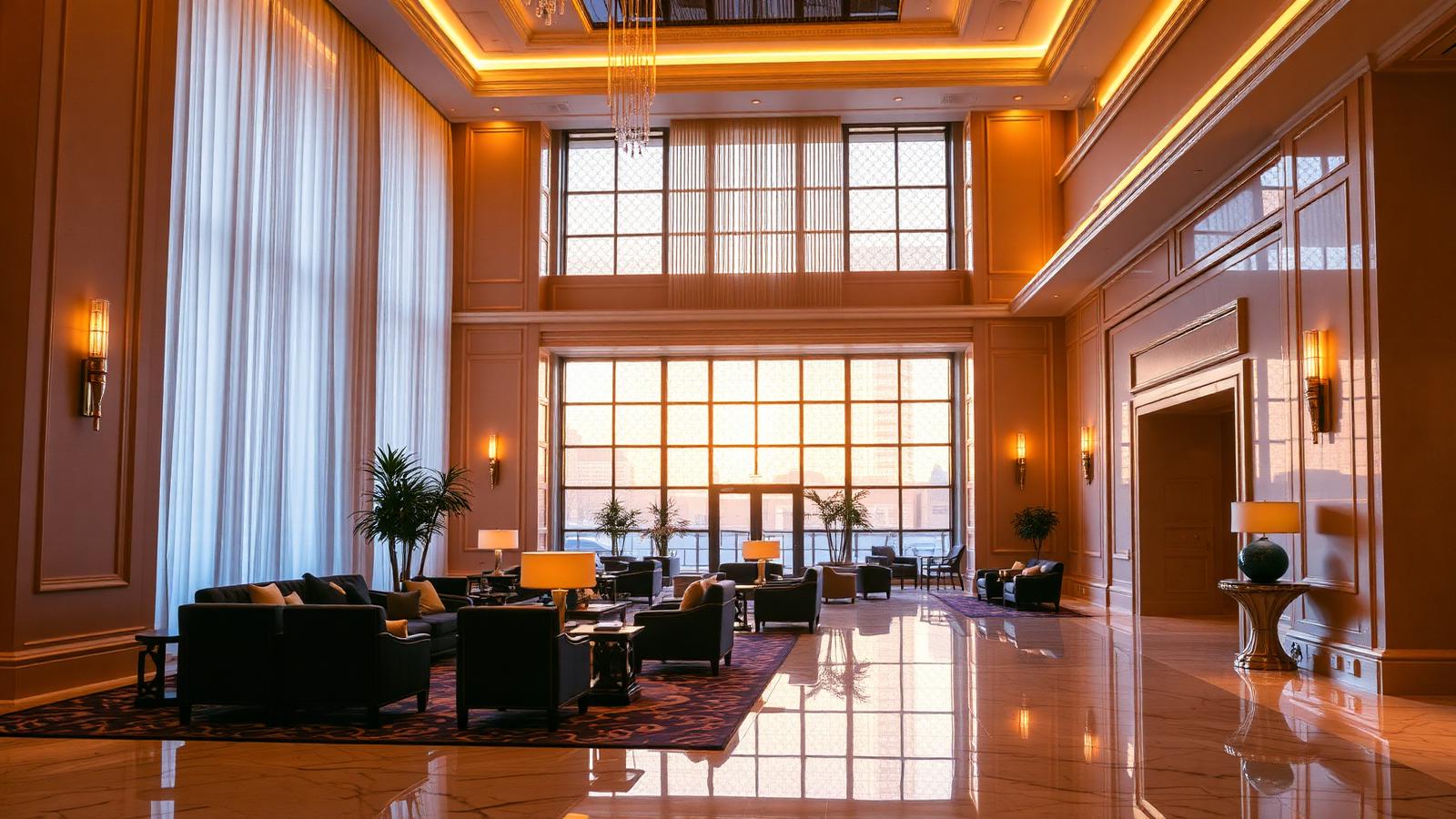
You step through the front doors of your luxury high-rise at 8:00 AM, ready to greet the morning shift, but instead of the neutral, high-end atmosphere you expect, you are met with a heavy, damp scent that lingers near the concierge desk. The cleaning crew finished their rounds an hour ago, yet the air feels stagnant, carrying traces of garbage from the service corridor and a faint metallic tang from the floor drains. By midday, as residents descend for their commutes, the scent has intensified, and you find yourself checking the HVAC vents while the front desk staff discreetly sprays a floral aerosol that only makes the air feel more congested. Despite the gleaming marble and polished brass, the olfactory experience suggests a building that is failing to manage its unseen biological and chemical loads.
Is the smell coming from the drains, the ventilation system, or the trash room down the hall? Are you currently paying for a service that masks these issues with heavy perfumes, or are you addressing the particulate matter and bacteria causing the problem? How can you achieve a consistent, signature environment without relying on your maintenance staff to spray deodorizers every hour? Identifying the source is the first step in moving from reactive cleaning to a proactive atmospheric strategy.
At Luften, we provide engineered odor-control, drain-maintenance, and ambient-scenting programs for luxury residential and commercial properties. It can be tricky to diagnose why a lobby smells off even when it looks clean, but there is a right answer for your specific facility requirements.
This guide explores the engineering behind lobby odors, the difference between masking and neutralization, and how to integrate sophisticated scenting technologies with existing HVAC systems. By the end of this article, you will understand how to audit your building’s air quality and select a long-term solution that maintains a premium resident experience without increasing the daily workload of your janitorial team.
Source Neutralization vs. Fragrance Masking
Many facilities rely on heavy fragrances to cover up unpleasant smells, a practice known as masking. This often results in a "cloying" effect where the original malodor—such as hydrogen sulfide or organic decay—combines with the perfume to create an even more distracting scent. A professional approach requires neutralization, where chemical agents interact with odor molecules to change their structure, rendering them odorless. True odor control focuses on eliminating the molecular cause of the smell rather than competing with it for the attention of the human nose.
When you implement comprehensive odor control programs, you are addressing the VOCs (volatile organic compounds) and bacteria at the source. This is particularly important in high-traffic lobbies where moisture and external pollutants are constantly introduced. Neutralizing agents can be vaporized into the air to seek out and bond with malodorous molecules, effectively removing them from the environment before any additional scent is introduced.
Addressing Subsurface Odors in Drains and Pits
In many luxury lobbies, the most persistent odors do not come from the furniture or the carpets, but from the plumbing infrastructure hidden beneath the floor. Floor drains that are not used frequently can suffer from dried-out P-traps, allowing sewer gases to escape directly into the lobby area. Furthermore, the buildup of biofilm—a complex colony of bacteria—inside these pipes creates a constant source of sour or sulfur-like smells. If your lobby odor is strongest near the elevators or service entrances, the culprit is likely a biological buildup in the drainage system that no amount of surface mopping can reach.
Effective drain odor elimination requires more than just pouring bleach down the sink, which can damage pipes and fail to remove the biofilm. Instead, biological treatments using live vegetative microbes can be deployed to digest the organic matter inside the pipes. This is especially critical if your lobby is adjacent to a mechanical room or if you share a basement level with commercial tenants, where grease trap maintenance issues can cause odors to migrate upward through the building's core.
The Role of HVAC Integration in Ambient Scenting
Once the source odors are neutralized, the goal shifts to creating a positive sensory experience. For luxury multifamily properties, standalone plug-in air fresheners are insufficient because they create "scent pockets"—areas where the smell is overpowering—while leaving other areas untouched. The most effective method for high-ceilinged lobbies is the use of HVAC scent diffusers, which utilize cold-air nebulization technology. This process breaks down essential oils into a dry mist of micro-particles that are dispersed evenly through the building's existing ductwork.
By integrating scenting directly into your ventilation system, you ensure a consistent concentration of fragrance that remains suspended in the air longer than traditional aerosols. This method allows for precise control over the intensity and timing of the scent, ensuring that the lobby feels fresh during peak morning and evening hours without wasting product during the middle of the night. This approach is common in hotel lobby scenting in NYC, where a signature scent is considered an essential part of the brand identity.
Managing Cross-Contamination from Service Areas
Lobbies are often located in close proximity to service corridors, loading docks, and trash collection points. Even with heavy fire doors, air pressure differentials can pull odors from the trash room into the main lobby every time a staff member enters or exits. If your building suffers from this, the solution isn't just cleaning the lobby; it is treating the source in the service area. Odor migration is an airflow and chemistry problem that must be solved by treating the air at the point of origin, such as the trash compactor or the chute room.
Regular trash chute cleaning removes the physical debris that off-gasses, but continuous dosing systems are needed to handle the daily influx of waste. By installing automated misting systems in the trash rooms that utilize odor-neutralizing chemistry, you create a chemical barrier that prevents smells from ever reaching the residential corridors or the lobby.
Choosing the Right Program for Your Property
Selecting an odor management strategy requires an audit of your building's specific pain points. You must determine if your issue is seasonal, such as humidity-induced mold smells, or structural, such as sewer gas bypass. A property manager should look for a partner who understands the mechanical systems of the building and can provide a tiered approach that includes both sub-surface remediation and atmospheric enhancement.
In our New York service area and across the tri-state, we see that the most successful buildings are those that move away from reactive, manual labor and toward automated, engineered systems. This not only improves the resident experience but also allows your maintenance team to focus on high-touch cleaning tasks rather than constantly chasing phantom smells.
Ultimately, a luxury environment is defined as much by what residents don't smell as by what they do. By neutralizing the biological sources of odor and using advanced nebulization for ambient scenting, you create a seamless, high-end atmosphere that begins the moment someone walks through your doors.
Have a question or need support? Our team is here to help — we'll connect you with the right expert to evaluate your facility's needs.