
A high-value tenant is scheduled to sign a lease tomorrow morning, but the unit walk-through reveals a significant problem. The previous occupant was a long-term smoker, and despite a fresh coat of paint, the distinct, acrid scent of stale tobacco permeates every room. You notice yellowed staining on the ceiling fixtures and a faint, sticky residue on the window frames that simple detergent fails to lift. The clock is ticking toward the move-in date, and a standard janitorial spray-and-wipe will not prevent the inevitable complaint call about thirdhand smoke exposure.
Should you rely on heavy masking agents or invest in chemical encapsulation? Is the odor trapped within the porous drywall, or is it circulating through the localized ventilation system? How do you ensure the smell does not return once the unit is sealed and the air conditioning is turned on for the new resident?
At Luften, we design comprehensive odor control programs for complex residential environments. It can be tricky to eliminate stubborn tobacco residues without the right molecular approach, but there is a right answer for your situation.
This guide examines the science of thirdhand smoke, the limitations of traditional cleaning methods, and the technical steps required to neutralize tobacco odors at the molecular level. By the end of this article, you will understand how to distinguish between temporary masking and permanent remediation, allowing your turnover team to protect your property’s reputation and air quality.
The Chemistry of Thirdhand Smoke
Cigarette smoke is not a simple gas; it is a complex mixture of over 7,000 chemicals, including nicotine, formaldehyde, and lead, which settle into surfaces as a persistent residue known as thirdhand smoke. Unlike common organic odors that dissipate with ventilation, tobacco resins are lipophilic, meaning they bond aggressively to oils and fats within paints, fabrics, and dust. These particles embed themselves deep into the pores of drywall, flooring, and cabinetry. When the humidity rises or the room temperature increases, these trapped VOCs (volatile organic compounds) off-gas back into the air. Effective remediation requires breaking down these chemical bonds rather than simply covering them with a fragrance. If your team only focuses on the air and ignores the structural surfaces, the odor will inevitably reappear within days.
Surface Encapsulation vs. Molecular Neutralization
When faced with a contaminated unit, many operators immediately turn to heavy-duty primers. While high-quality odor-blocking primers are useful, they often act as a physical barrier rather than a solution. If the underlying residue is not properly cleaned first, the oils can eventually seep through the new paint layers. Molecular neutralization involves the use of specialized agents that change the chemical structure of the odor-bearing molecules. These agents are often delivered through fogging or targeted application to reach the microscopic crevices where resins hide. You must neutralize the surface contaminants before applying any sealant to ensure the odor does not migrate back to the surface over time. In high-traffic properties across our New York service area, we see that bypassing the neutralization phase leads to recurring tenant turnover costs.
Addressing the HVAC and Ventilation Path
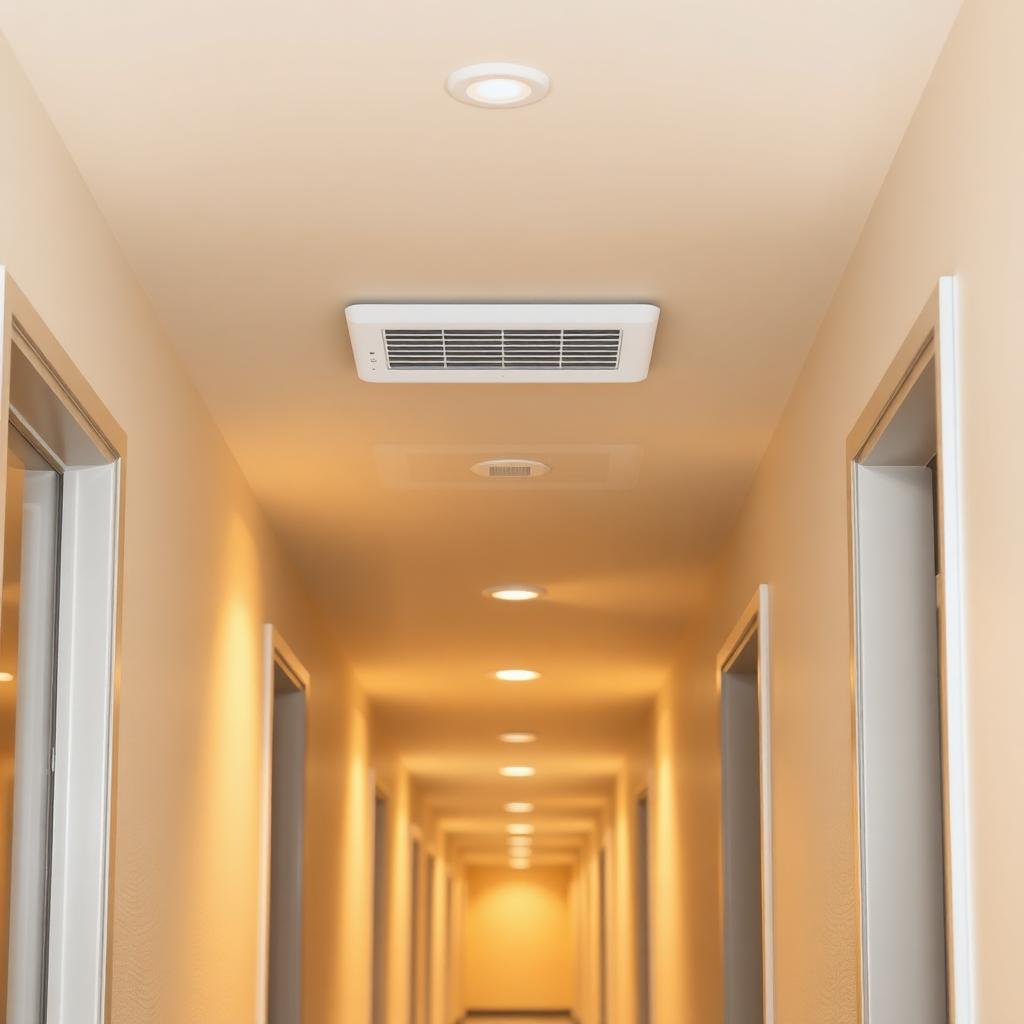
One of the most overlooked areas in smoke remediation is the mechanical system. Tobacco smoke is drawn into return air vents, coating the interior of ductwork and settling on evaporator coils. Every time the HVAC system cycles, it redistributes tobacco particulates throughout the apartment. Even if the walls are scrubbed, the smell will persist if the mechanical components are ignored. In addition to cleaning the ducts, many facilities utilize HVAC scent diffusers to maintain a neutral or pleasant baseline after the initial remediation is complete. Cleaning the internal components of the air handling unit is a non-negotiable step for any unit that has been subjected to long-term indoor smoking. Failure to address the ventilation system often results in the new tenant identifying the smoke smell the first time they run their heat or air conditioning.
Treating Soft Surfaces and Porous Materials
Standard carpet cleaning is rarely sufficient for heavy tobacco contamination. The padding underneath the carpet acts as a sponge for liquid nicotine and tars. If the smoke odor is detectable in a carpeted room, the most cost-effective and permanent solution is usually the full removal of the carpet and pad. For hard surfaces like luxury vinyl tile or hardwood, a deep extraction process is required to pull resins from the seams. This is similar to how proactive drain odor elimination requires removing the biofilm rather than just pouring bleach down the sink. Porous materials that cannot be washed or chemically neutralized must be replaced to prevent long-term off-gassing of hazardous smoke residues.
Choosing the Right Remediation Strategy for Your Property
Determining the scale of the intervention depends on the duration of the smoking and the porosity of the finishes in the unit. For light cases, a professional-grade fogging treatment followed by a specialized wash-down may suffice. For heavy, multi-year contamination, you are looking at a multi-stage process involving deep surface cleaning, mechanical system decontamination, and the application of specialized odor-sealing primers.
Consistency is the key to preventing these issues from affecting your occupancy rates. By establishing a technical standard for your turnover team, you move away from guesswork and toward a predictable, scientific result. This protects not only the comfort of your residents but also the long-term value of your building's physical assets in competitive markets like our New Jersey service area.
Have a question or need support? Our team is here to help — we'll connect you with the right expert to talk to our team.