
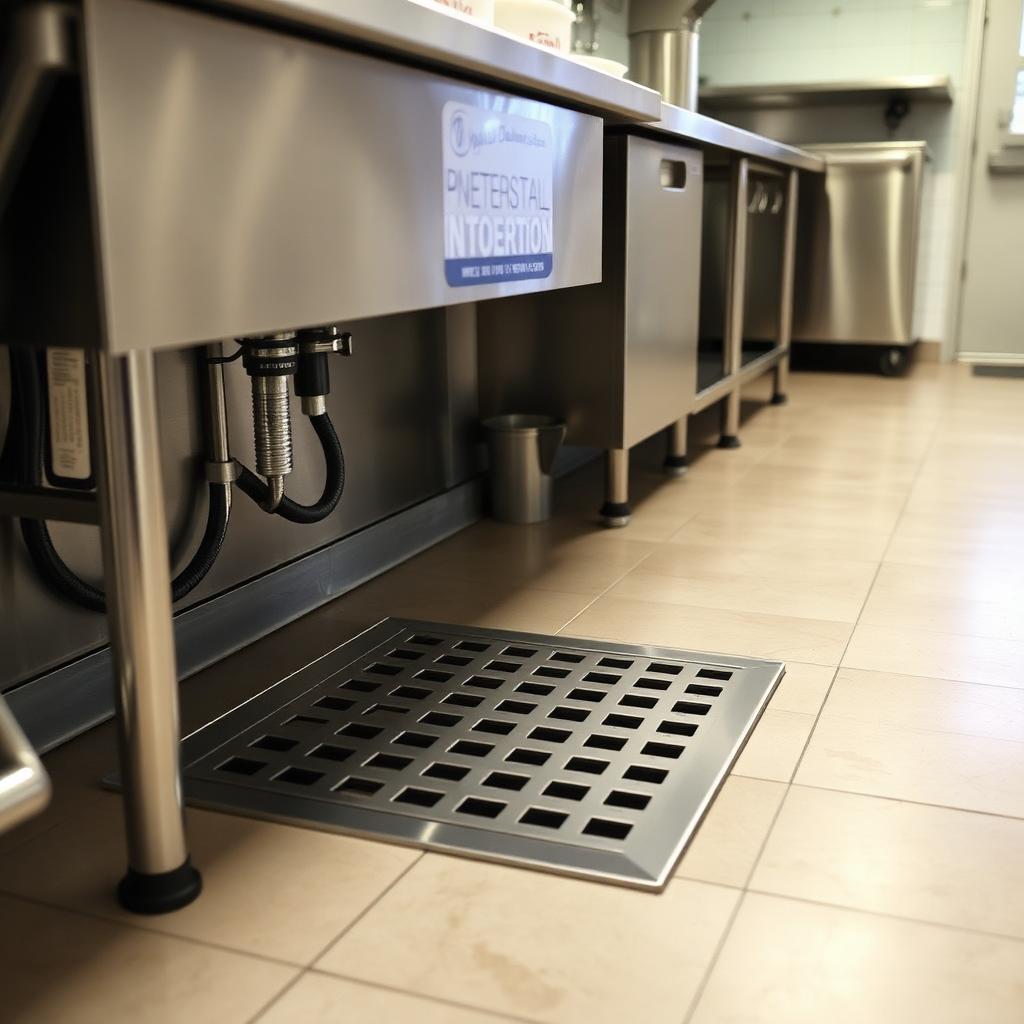
Floor drains harbor biofilm — a layered bacterial community that releases volatile compounds whenever water disturbs it. The smell rises out of the drain on a schedule that matches dish-pit activity.
Drains · April 15, 2026 · 6 min read
Drain Odor Elimination in Commercial Kitchens and Floor Sinks
Floor drains are the most common source of mystery smells in restaurants and commissary kitchens. Bleach makes it worse. Biological dosing solves it.
By Luften Team
All posts
Field Tips
Related tips you can put to work today
Commercial Kitchen & Grease Odor
Kitchen odor is fats aerosolized by heat, condensed on surfaces, then oxidized into rancidity. Treat air, hood, and drain.
- 1Clean hood filters weekly, not monthly — loaded filters release the odor you paid to capture.
- 2Deep-clean the entire hood system quarterly per NFPA 96, more often for high-volume kitchens.
- 3Add activated-carbon polish to the rooftop exhaust when neighbors complain.
- 4UV-C in the hood plenum breaks down grease vapor before it condenses in the duct.
- 5Treat the grease trap on a documented pumping schedule — an over-full trap vents H₂S back into the kitchen.
- 6Enzyme-dose the drain lines weekly; grease that reaches the sewer is on you if the DEP asks.
- 7Wipe kitchen ceilings monthly — condensed grease on ceilings is a hidden odor source.
- 8Segregate wet trash and grease waste — mixed bins multiply odor generation.
Restaurant Dining Room & Bar Odor
Guests smell your restaurant before they see the menu. Kitchen exhaust, restrooms, and the trash exit dominate.
- 1Ventilate the dining room independently from the kitchen; overlap forces grease vapor into the dining seats.
- 2Add a carbon polishing stage on the rooftop exhaust if neighbors complain.
- 3Fog the walk-in weekly with a food-safe treatment; walk-ins are hidden odor sources.
- 4Enzyme-treat bar drains daily — beer/wine sugars ferment fast in trap water.
- 5Post-dinner mop with an enzyme, not a fragrance — you're removing the biology, not covering it.
- 6Signature scent the entry vestibule only; scenting the dining room competes with the food.
- 7Isolate the trash exit from the arriving-guest path.
- 8Coffee grounds absorb kitchen odor — used grounds in the trash bin actually help.
Browse the full library at Luften's 400+ odor control tip guides.
#floor drain odor#commercial kitchen drain smell#drain deodorizer restaurant#biofilm drain treatment