
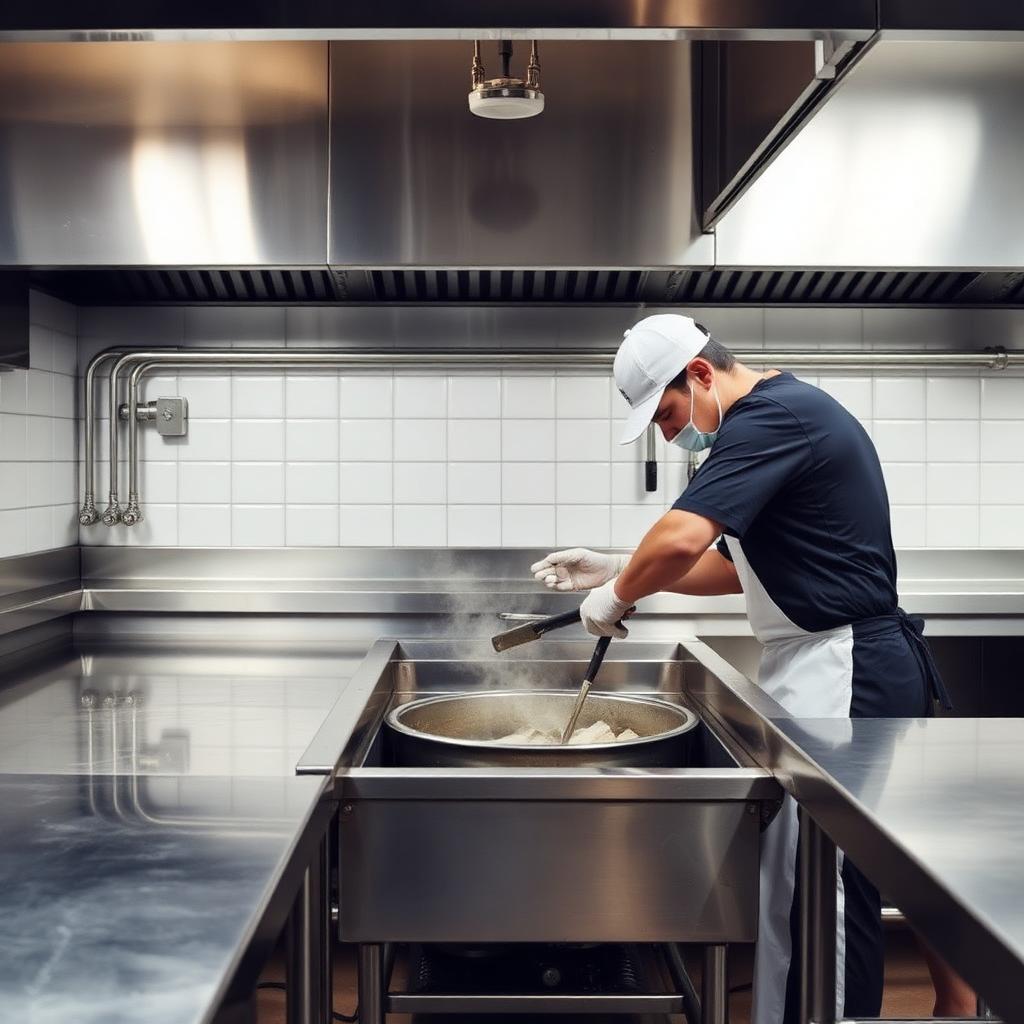
A Saturday night service is reaching its peak in the main dining room when the floor drain behind the dish line begins to gurgle and back up with gray, oily water. Within minutes, the pungent scent of hydrogen sulfide and rancid lipids drifts toward the open kitchen pass, threatening the guest experience in the nearby lounge. Your engineering team is forced to navigate a busy kitchen with a snake while the chef considers a service stoppage. This isn't just a plumbing inconvenience; it is a breakdown in the facility Fats, Oils, and Grease (FOG) management strategy that could have been mitigated weeks ago.
Is your current pumping schedule based on actual accumulation or a generic calendar date? Are your kitchen staff following protocols that inadvertently bypass your interceptors? Is the biology inside your trap healthy enough to break down solids, or is it being killed off by harsh sanitizers? Understanding the mechanics of your grease interceptor is the difference between a seamless operation and a costly emergency visit.
At Luften, we engineer comprehensive grease trap maintenance programs that keep high-volume hotel kitchens compliant and odor-free. It can be tricky to balance high-turnover staff training with the technical needs of a wastewater system, but there is a right answer for your situation.
This guide explores the engineering fundamentals of grease trap performance, the critical differences between manual cleaning and biological dosing, and how to establish a data-driven maintenance frequency. By the end of this article, you will understand how to prevent FOG-related backups, eliminate the source of kitchen drain odors, and ensure your facility meets municipal discharge requirements in the New York tri-state area.
Interception Mechanics vs Biological Treatment
Most hotel grease traps operate on the simple principle of gravity separation. As warm kitchen wastewater enters the tank and cools, the grease floats to the top while solids settle at the bottom, allowing clarified water to exit through the middle. However, the sheer volume of a 24-hour hotel operation often exceeds the retention time the tank was designed for, leading to grease bypass. Effective F&B management requires moving beyond simple physical separation to active biological treatment that digests organic matter before it can solidify. When you rely solely on the physical tank, you are in a race against the clock until the next pump-out. By introducing specialized bacterial strains that consume FOG, you convert the trap from a passive holding tank into an active treatment system that reduces the frequency of mechanical cleaning.
Mechanical Pumping vs Continuous Dosing
There is a common misconception that if a trap is pumped once a month, the drains are "maintained." In reality, grease begins accumulating the moment the pumper truck leaves the site. Continuous automated dosing systems deliver a consistent supply of live bacteria into the lines during low-flow periods, typically at night. This ensures that the biofilm within the pipes remains active, preventing the buildup of "fatbergs" that cause drain odor elimination challenges in the kitchen and prep areas. While mechanical pumping is a necessary structural requirement to remove non-biodegradable solids, it should be viewed as a secondary fail-safe to a daily biological dosing regimen. Relying on pumping alone leaves your pipes vulnerable to grease coating between visits, which is often the primary cause of slow-draining sinks.
Upstream Prevention and Staff Protocol
No maintenance program can succeed if the kitchen staff uses the drains as a trash can. The most common cause of interceptor failure in hotels is the "flush and forget" mentality, where high-temperature water is used to melt grease so it flows down the drain. This actually worsens the problem because the grease eventually cools and solidifies further down the line, often in the lift station & ejector pit care areas where repairs are significantly more expensive. Establishing a "dry-scrape" policy for all plates and cookware is the single most effective upstream intervention a hotel F&B director can implement. By keeping solids out of the wastewater stream initially, you preserve the capacity of the interceptor for the unavoidable emulsified oils that cannot be scraped away.
The Impact of FOG on Guest Experience
Odor migration is a significant risk for hotels where the kitchen is located near the lobby or guest elevators. When a grease trap becomes septic, it releases gases that can be pulled into the HVAC system and distributed throughout the ground floor. While many properties invest in hotel lobby scenting in NYC to create a luxury atmosphere, those efforts are undermined if there is an underlying scent of decaying organic matter from the drains. A successful FOG program is an essential component of the overall sensory experience of the property, ensuring that ambient scenting reflects the brand rather than masking a maintenance failure.
Choosing the Right Program for Your Property
Selecting a maintenance strategy depends on your kitchen's volume, the age of your plumbing, and your local municipal codes. A boutique hotel with a small cafe has vastly different needs than a flagship property with multiple banquet halls and 24-hour room service.
Your program should be holistic, combining regular mechanical inspections with a high-performance biological dosing system. This dual approach protects your infrastructure, keeps you in compliance with environmental regulations, and prevents the emergency backups that disrupt service and damage your reputation.
Have a question or need support? Our team is here to help — talk to our team and we'll connect you with the right expert.