
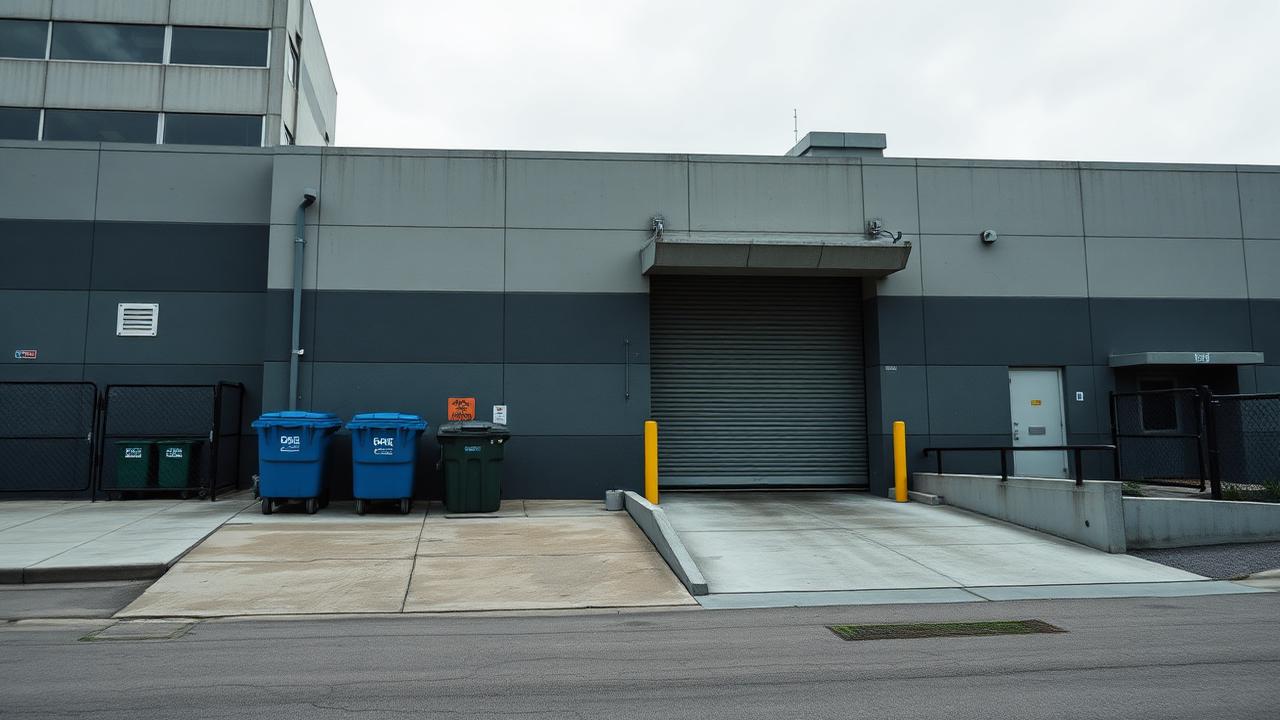
A warm humid afternoon along the Hudson River presents a specific challenge for luxury high-rises in Jersey City and Hoboken. You walk into the lobby, and while the air conditioning is humming, there is an unmistakable, sour draft drifting from the elevator bank that signals a backup in the trash room. Residents are returning from work, stepping into a common area that smells like decomposing organic waste, and by the time you reach your office, three emails have already arrived regarding the 'unbearable' conditions on the fourth and ninth floors. The issue is not just a nuisance; it is a perceived failure of the building's luxury standard that can quickly lead to negative online reviews and tenant turnover.
Is the odor localized to the compactor room, or is the entire chute acting as a chimney for malodors? Are you currently over-relying on masking agents that simply add a floral scent to the existing rot? Does your current maintenance schedule account for the biofilm buildup that occurs on the internal lining of the chute walls? Understanding whether your problem is chemical, mechanical, or atmospheric is the first step toward a permanent solution.
At Luften, we design and manage engineered odor control systems for the most demanding residential environments in the tri-state area. It can be tricky to diagnose the root cause of air quality issues in a densely populated high-rise, but there is a right answer for your situation.
This guide examines the mechanics of trash chute odors in New Jersey high-rise buildings, detailing the difference between surface-level cleaning and systemic odor neutralization. By the end of this article, you will understand how to evaluate your current waste management protocols, the role of automated dosing in odor mitigation, and how to prevent the chimney effect from distributing compactor smells throughout your residential corridors.
Source Treatment vs. Air Neutralization
When managing a high-volume waste system, you must distinguish between the odor emanating from the trash itself and the odor caused by residues left on the chute walls. Source treatment involves managing the compactor and the dumpster area where organic matter sits and decomposes, releasing hydrogen sulfide and methane. Air neutralization, conversely, involves treating the volume of air within the chute and the trash room to break down odor molecules before they reach resident floors. Effective odor control requires a dual-approach strategy that neutralizes airborne molecules while simultaneously treating the surfaces where bacteria thrive.
Many facilities rely on simple ozone generators or heavy perfumes, but these often fail to address the underlying biofilm. Biofilm is a sticky layer of bacteria and organic waste that coats the interior of the chute over time. If you do not incorporate regular trash chute cleaning into your maintenance calendar, the organic buildup will continue to off-gas regardless of how much scent you pump into the trash room. In our New Jersey service area, the high humidity during summer months accelerates this decomposition, making surface treatment even more critical to maintaining air quality.
Continuous Dosing vs. Manual Cleaning
Manual cleaning is essential for removing physical debris and thick biofilm, but it is a point-in-time solution. Within days of a professional cleaning, residents will drop leaking bags of food waste and liquids down the chute, beginning the accumulation process all over again. Continuous dosing systems bridge this gap by automatically injecting odor-neutralizing chemicals or beneficial microbes into the chute or compactor at set intervals. A continuous dosing system ensures that odor-neutralizing agents are consistently present to combat new waste, preventing the accumulation of odors between scheduled cleanings.
These automated systems are often more cost-effective than emergency manual cleanings because they prevent the 'odor crisis' that leads to resident complaints. When considering odor control in NYC and New Jersey high-rises, the goal is to move away from reactive maintenance. By utilizing metered dispensing, you ensure that the concentration of neutralizing agents is always optimized for the building's specific waste volume, rather than relying on a porter to manually spray the area when the smell becomes noticeable.
Understanding the Chimney Effect in High-Rises
High-rise buildings along the Hudson waterfront are particularly susceptible to the stack effect, also known as the chimney effect. Because the trash chute is a continuous vertical shaft, pressure differences between the bottom of the building and the top can pull air upward. If the compactor room is not under proper negative pressure, or if the chute vent at the roof is obstructed, odors will be forced out of the intake doors on residential floors every time a resident opens them. The trash chute acts as a giant straw, and without proper airflow management and neutralization at the base, you are essentially plumbing odors directly into your residential hallways.
To combat this, your odor control programs should focus on the base of the chute where the concentration of organic matter is highest. By treating the air at the compactor level with molecular neutralizers—not just masking scents—you ensure that any air pulled upward by the stack effect carries neutralized, rather than foul, air. This is a critical engineering distinction; masking agents only add weight to the air, whereas true neutralizers chemically bond with malodors to eliminate them.
Choosing the Right Strategy for Your Property
Selecting the correct odor management program for a New Jersey high-rise depends on your building's occupancy, the age of your waste infrastructure, and the specific layout of your trash rooms. A 50-story tower in Jersey City has significantly different air pressure and waste volume requirements than a 5-story boutique building. You must evaluate whether your current provider is simply providing a 'scent' or if they are providing a comprehensive chemical solution that addresses the proteins and fats responsible for the smell.
Start by auditing your current trash room protocols. If your staff is spending hours scrubbing without seeing long-term results, or if you are receiving complaints despite regular cleaning, your chemistry is likely mismatched for the task. Transitioning to an engineered program that combines mechanical cleaning with automated chemical neutralization will reduce labor costs and improve resident satisfaction.
Have a question or need support? Our team is here to help — we'll connect you with the right expert to talk to our team about your facility's needs.