
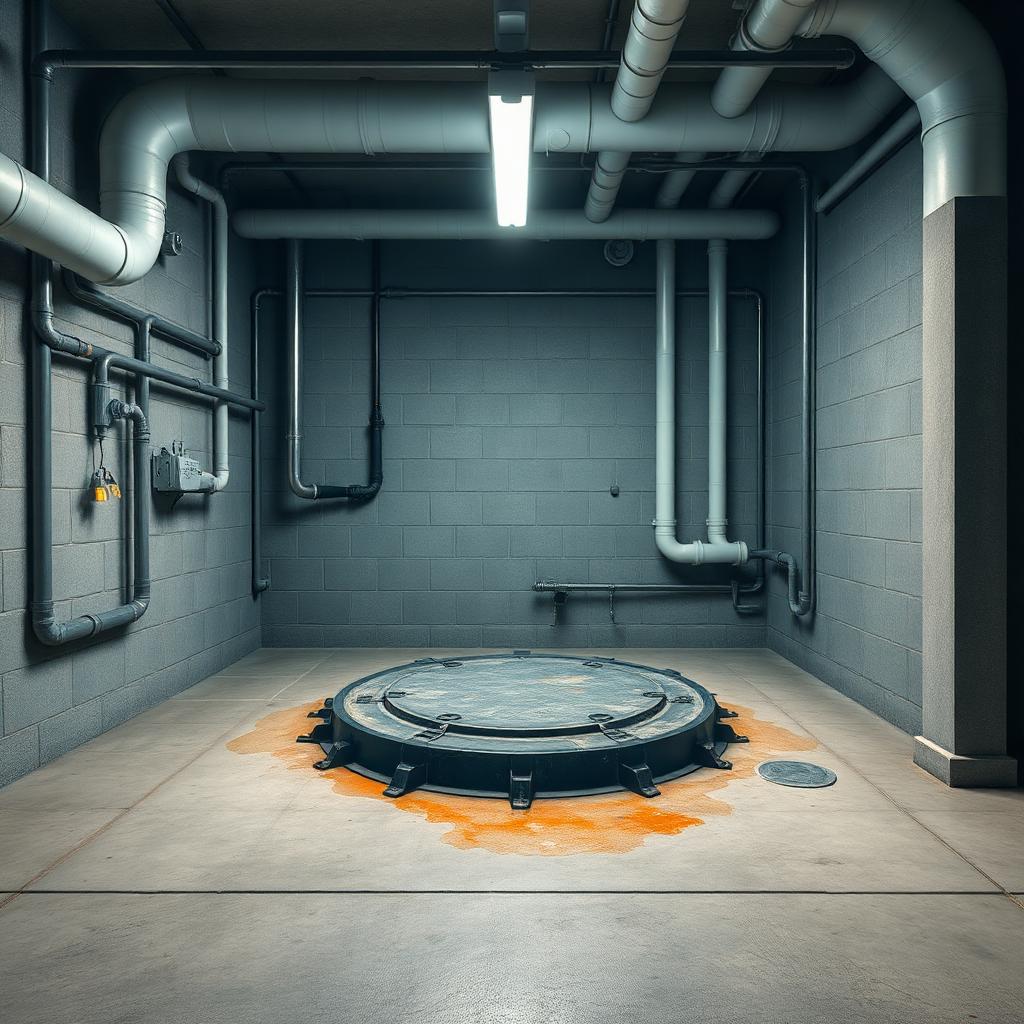
A warm July humidity settles over a mid-rise residential building in White Plains, and as the afternoon sun hits the loading dock, a heavy, sickly-sweet scent of decomposing organic matter begins to seep through the elevator lobby doors. Residents returning from work are greeted not by the clean air of their suburban retreat, but by the undeniable stench of a neglected compactor room that has reached its saturation point. The heavy-duty fans are running at full speed, yet the odor persists, clinging to the concrete walls and the porous surfaces of the chute system, eventually triggering a flurry of emails to the management office regarding the building's sanitation standards.
Does the issue stem from a lack of physical cleaning, or is the chemical composition of the waste overwhelming the current ventilation? Is the odor a localized problem within the compactor itself, or has it migrated up the vertical chute to affect every floor? Understanding whether you need a surface-level deodorizer or a molecular neutralizer is the first step in regaining control of the property’s environment.
At Luften, we design and install engineered systems for odor control in NYC and New Jersey that address these specific facility challenges. It can be tricky to balance resident expectations with the mechanical realities of high-volume waste management, but there is a right answer for your situation.
This guide will examine the specific causes of odors in suburban mid-rise compactor rooms, focusing on the transition from simple masking agents to advanced molecular neutralization and automated dosing. By the end of this article, you will understand how to evaluate your current sanitation protocol, the difference between topical treatments and airborne systems, and how to select a program that prevents odor migration into residential corridors.
Source Treatment vs. Air Neutralization
When addressing Westchester compactor odor, the first decision involves choosing between treating the waste itself or treating the air surrounding it. Source treatment involves applying chemical agents directly onto the trash as it enters the hopper, which is often achieved through automated spray systems triggered by the compactor’s cycle. These chemicals typically utilize surfactants to break down grease and enzymes to accelerate the decomposition of organic solids, preventing the initial off-gassing of volatile organic compounds.
Air neutralization, conversely, focuses on the molecules that have already escaped into the room's atmosphere. Rather than simply covering the smell with a fragrance, modern neutralizers use a process called encapsulation, where the neutralizer molecule bonds with the odor molecule to render it inert. Effective odor control requires a dual-track approach that stabilizes the waste at the source while simultaneously treating the ambient air to prevent odors from escaping into the lobby or stairwells.
Automated Dosing vs. Manual Application
Many facilities rely on staff to manually spray the compactor area with bleach or degreasers during daily rounds. While this provides a temporary reprieve, it is rarely sufficient for a mid-rise building with continuous trash flow, as the odor-causing bacteria begin to multiply the moment the staff member leaves the room. Manual cleaning is essential for removing the physical buildup of grime, but it cannot provide the 24-hour protection required to combat the persistent gasses produced by residential waste.
Automated dosing systems provide a consistent, metered application of odor-control chemistry without requiring manual intervention. These systems can be integrated directly into the compactor housing or installed as wall-mounted units that release a fine mist at programmed intervals. Transitioning to an automated [odor control program](/odor) ensures that the chemistry is present exactly when and where it is needed, eliminating the fluctuations in air quality that occur between manual cleanings.
Managing the Vertical Chute Environment
In a mid-rise building, the compactor room is only half of the equation; the trash chute acts as a natural chimney, drawing odors upward through the building via the stack effect. When a resident opens a chute door on the fifth floor, a vacuum effect can pull the concentrated odors from the basement compactor directly into the residential hallway. This is often exacerbated by a buildup of organic matter, known as biofilm, which coats the interior of the stainless steel chute over time.
Regular trash chute cleaning is the mechanical solution to this problem, but maintaining the air quality between cleanings requires a persistent chemical barrier. Some managers opt for a localized scenting solution near the chute doors to improve the resident experience. While scent marketing is effective for branding, in a trash room context, it must be paired with a true neutralizer to avoid creating a "perfumed garbage" effect that residents find equally unpleasant. Addressing the vertical stack effect is critical because it prevents a basement maintenance issue from becoming a pervasive air quality problem throughout the entire building.
Chemical Selection and Environmental Factors
Not all odor-control chemicals are created equal, and the choice of chemistry depends heavily on the type of waste your residents produce. For buildings with a high volume of food waste, enzymatic digesters are preferred because they physically consume the organic materials that produce hydrogen sulfide and methane. In buildings where the primary issue is the smell of stagnant liquids pooling beneath the compactor, a heavy-duty degreaser with a molecular counteractant is more appropriate.
Environmental factors such as temperature and humidity in our New York service area also dictate the concentration of the product. During the humid summer months, bacteria thrive, requiring a higher frequency of dosing and a more robust neutralizer. Selecting the wrong chemical agent can lead to a sticky residue buildup on floors and equipment, creating a slip hazard and attracting pests, which eventually complicates the maintenance cycle.
Choosing the Right Program for Your Property
Evaluating a compactor room program requires a look at both the mechanical equipment and the chemistry being used. You should begin by auditing the current state of your compactor seals and the functionality of your exhaust fans. If the mechanical ventilation is inadequate, no amount of chemical masking will fully resolve the issue, as the stagnant air will eventually reach its carrying capacity for odor.
Once the mechanical baseline is established, you can determine the best delivery method for your chemistry. A suburban mid-rise typically benefits from a wall-mounted nebulization system that treats the entire room's volume, paired with a direct-to-hopper spray system for the compactor itself. This ensures that both the air and the source are being addressed simultaneously, providing a multi-layered defense against odor migration.
Finally, consistency is the hallmark of a successful program. Odor control is not a one-time fix but a continuous process that must be adjusted based on the season, the building's occupancy, and the specific waste profile of your residents. By moving away from reactive manual spraying and toward a proactive, automated system, you can ensure a professional and pleasant environment for your staff and residents alike.
Have a question or need support? Our team is here to help — talk to our team and we'll connect you with the right expert.