
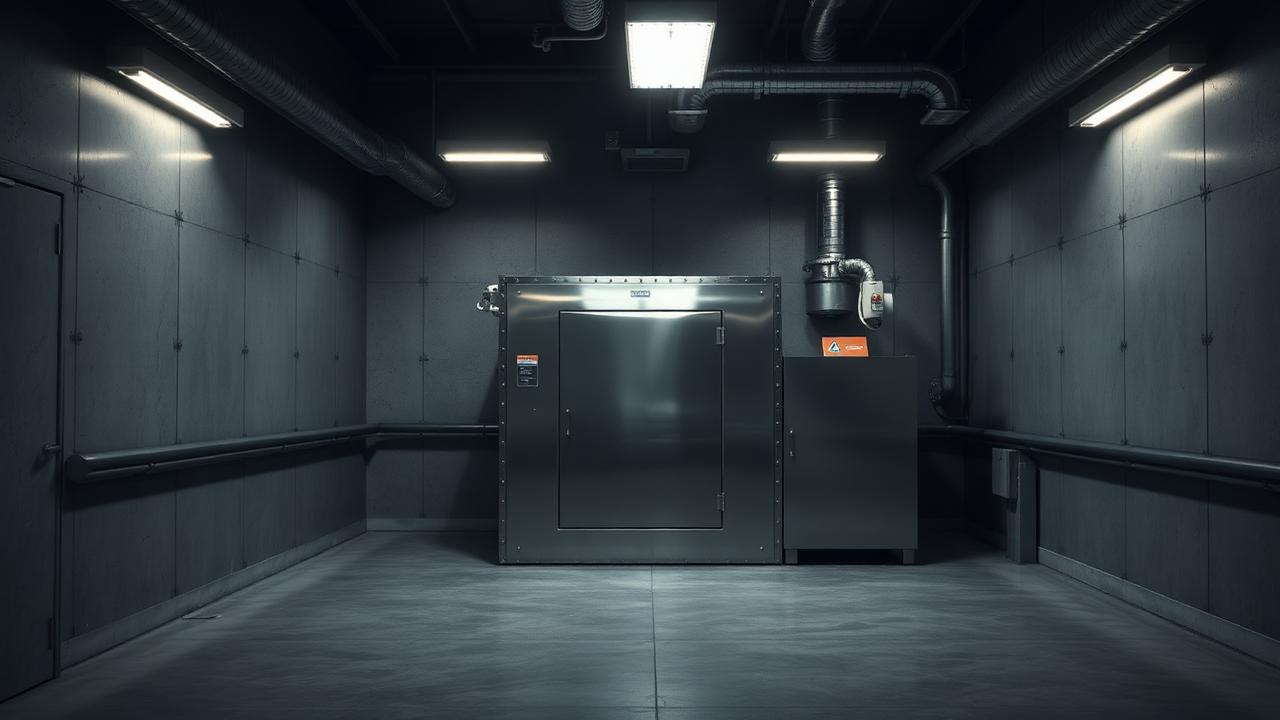
10 field-tested tips
- 1Install an all-weather dispenser rated for temperature swings and UV exposure.
- 2Line the compactor pit with a self-draining leachate tray and rinse it weekly.
- 3Dose the compactor throat directly, not just the surrounding air.
- 4Use a fogging system for outdoor compactors — vapor barriers outperform wall dispensers outdoors.
- 5Enclose outdoor compactors with three-sided screening; wind is your friend for dispersion, but not toward the lobby.
- 6Pressure-wash the compactor pad and ram face monthly.
- 7Check hydraulic seals — leaking hydraulic oil compounds odor and creates a slip hazard.
- 8Never let a compactor sit full over a holiday; schedule a pre-holiday pull.
- 9Cover the hopper opening with a spring-loaded lid to block windborne odor drift.
- 10Add a drain-line treatment for the compactor's leachate line — that pipe is a hidden odor generator.
Why it matters
Compactor odor complaints can point to an airflow problem as well as a cleaning problem. A room may look clean while residue remains behind guards, around container connections, or inside damaged floor joints. If exhaust is weak or doors stay propped open, odor can travel into corridors and occupied spaces.
Practical steps
Check whether the exhaust fan actually draws air from the room, rather than relying on its operating light. Keep transfer-air paths clear and inspect door closers and perimeter seals. Look for torn bags, residue around the container coupling, and cracked surfaces that hold dirty water. Confirm floor drains accept wash water without ponding and that drain traps contain water. Record whether complaints occur during loading, compaction, or container removal. Before cleaning near moving parts, follow the equipment’s shutdown and lockout procedure; keep water away from electrical components.
When to call a professional
Call a professional when odor returns after cleaning, drainage backs up, or exhaust appears to push contaminated air toward occupied areas. Mechanical defects, inaccessible deposits, and suspected sewer-gas entry need investigation rather than stronger fragrance. Leave the area if strong odor accompanies dizziness or irritation.
How Luften handles it
Luften offers a free on-site walkthrough to identify odor sources and provide a written treatment recommendation. Managed service programs use encapsulation chemistry rather than masking fragrance, with documented visits and coordinated trash-area and drain treatment.
Trash compactor odor controlWant Luften to run this program for you?
Patented chemistry, managed dispensing, and one vendor for chute, waste room, pit, lift station, elevator pit, restroom, and signature scent.