
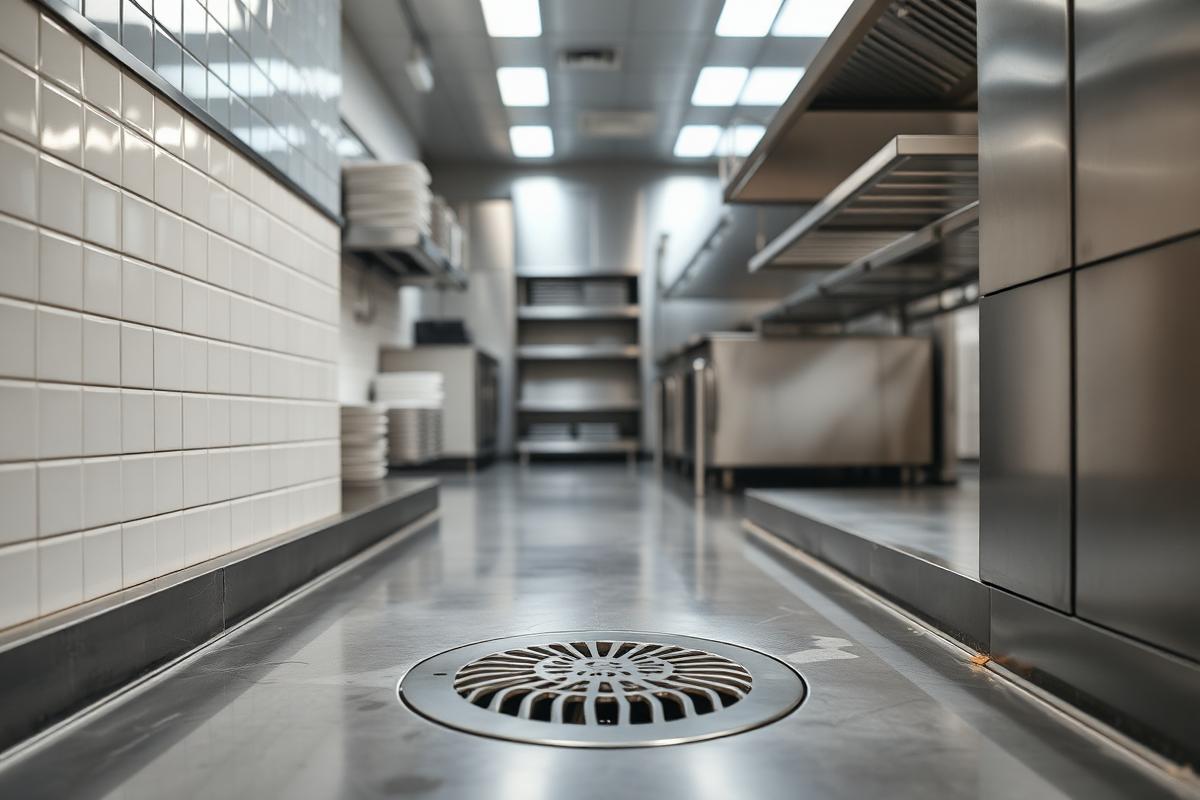
A Tuesday afternoon shift is in full swing, and despite the daily washdown, a heavy, sulfurous scent has begun to drift from the floor drains toward the packaging line. The ventilation system is running at peak capacity, yet the air remains thick with the smell of decomposing organic solids and stagnant moisture. A quality control inspector pauses near a floor trough, noting the odor in their report, while employees on the floor have started to complain about the working conditions. This isn't just an aesthetic issue; it is a sign that organic matter is accumulating in areas your standard cleaning protocols are not reaching.
Is the smell coming from active production, or is it a byproduct of the building's infrastructure? Are your current chemicals actually breaking down the fatty acids and proteins, or are they simply adding a floral top-note to a structural problem? Do you have a wastewater issue that requires chemical adjustment, or a mechanical issue with your traps and pits?
At Luften, we design and manage engineered odor-control and wastewater programs for high-demand industrial environments. It can be tricky to balance food safety regulations with the aggressive chemistry needed for industrial odor mitigation, but there is a right answer for your situation.
This guide examines the three primary zones where odors originate in food processing facilities: floor drains, wastewater collection systems, and byproduct storage areas. By the end of this article, you will understand the chemical differences between masking agents and molecular neutralizers, how to identify if your odors are biological or chemical in nature, and how to implement a sustainable program that addresses the root cause of facility emissions.
Biofilms and Food Plant Drain Odor
In most facilities, the floor drain is the most common point of failure for air quality. Even when a floor appears clean, the interior of the pipe walls often hosts a thick layer of biofilm—a complex colony of bacteria protected by a polysaccharide matrix. Traditional sanitizers often slide over the surface of this film without penetrating the core where anaerobic bacteria thrive. As these bacteria consume organic waste, they release hydrogen sulfide and ammonia gases that rise back into the production area. Effective food processing odor control requires a shift from surface rinsing to deep-pore cleaning that breaks down these biological structures. Relying on daily water flushes is insufficient because moisture actually fuels the growth of the bacteria responsible for foul odors.
Wastewater Pits vs Production Area Treatment
Odors often migrate from the wastewater collection system back into the plant through the plumbing network. If you notice a sharp increase in odor intensity during shift changes or washdown cycles, the problem likely resides in your lift station & ejector pit care protocols. Wastewater pits collect fats, oils, and greases (FOG) that separate and float to the top, creating an anaerobic environment where odors intensify. While food processing odor control in production areas focuses on immediate air quality, wastewater treatment requires metered dosing of chemistry that facilitates the breakdown of solids before they can volatilize. The primary difference between treating a pit and a production floor is the dwell time; wastewater requires continuous chemical contact to prevent the formation of heavy crusts that trap gases.
Molecular Neutralization vs Traditional Masking
When managing air quality in a food plant, the chemistry you choose dictates whether you are solving the problem or temporarily hiding it. Masking agents use heavy perfumes to overpower malodors, which often results in a sickeningly sweet combination of scents that can taint food products. Molecular neutralizers, however, work through encapsulation or chemical reaction to change the structure of the odor molecule itself, rendering it odorless. This is particularly important for odor control in NYC and New Jersey where tight urban footprints mean facility exhaust can quickly impact neighboring properties. You should prioritize non-scented molecular neutralizers in production zones to ensure there is no risk of olfactory contamination of your food products.
Accumulation in Greasy Waste Streams
For facilities processing proteins or dairy, the buildup in interceptors is a constant source of hydrogen sulfide. If your grease trap maintenance is limited to periodic pumping, you are likely experiencing odor spikes in between service calls. As organic matter sits in a trap, it acidifies, creating a pungent, rancid smell that permeates the surrounding concrete and drywall. Implementing a biological program that uses specific bacterial strains to consume the FOG can significantly reduce the gaseous byproduct. Treating a grease trap as a living biological system rather than a static tank is the only way to achieve long-term odor stability.
Choosing the Right Program for Your Facility
Selecting an odor control strategy begins with a site survey to map the airflow and identify where organic loads are highest. You must determine if the odor is localized to a specific piece of equipment or if it is systemic across the entire drain odor elimination network. A systemic problem usually requires automated, metered dosing to ensure consistent treatment without relying on manual labor.
Once the source is identified, the solution typically involves a combination of automated misting systems for ambient air and direct-injection systems for the wastewater stream. By treating both the air and the source, you create a redundant system that protects the facility even during peak production periods. This dual approach ensures that your facility remains compliant with local environmental regulations and provides a safe, productive environment for your staff.
Have a question or need support? Our team is here to help — talk to our team and we'll connect you with the right expert.