
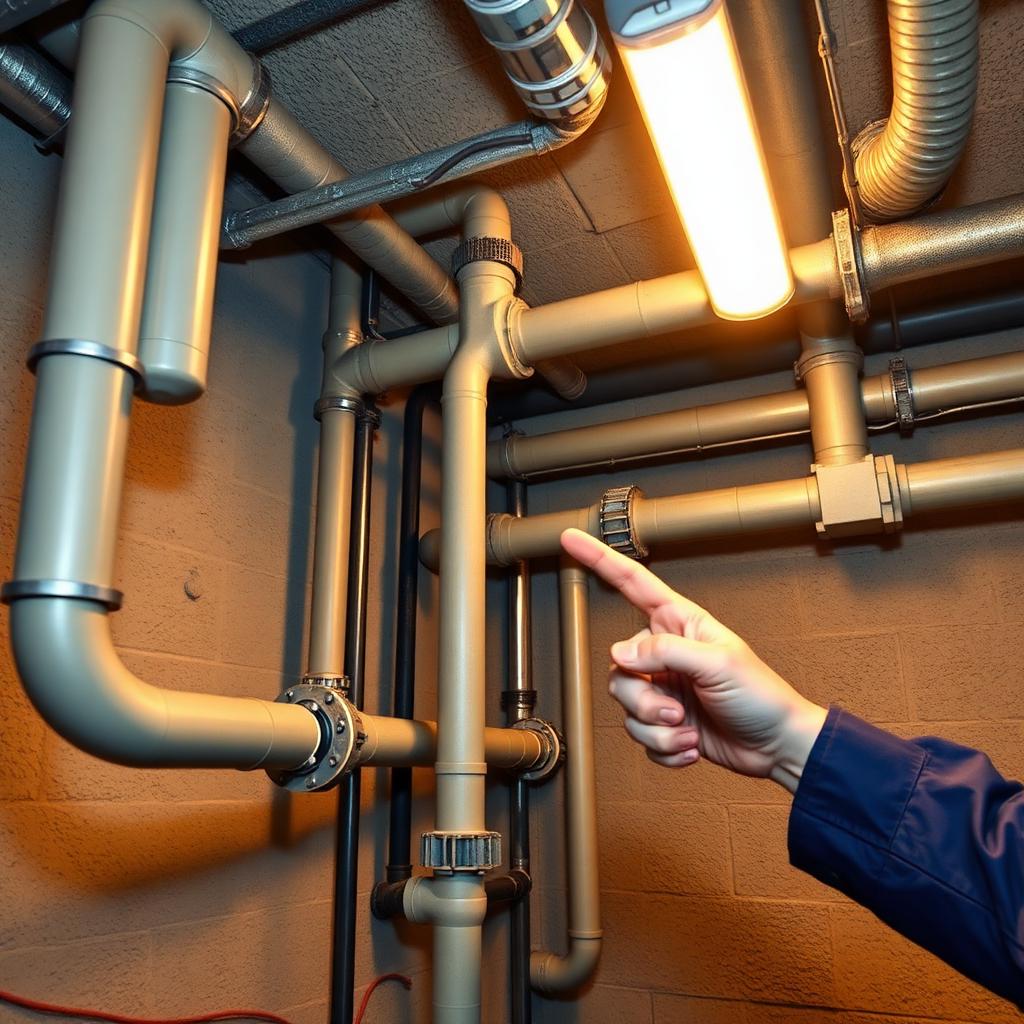
A high-pressure weather system sits over Manhattan, and the humidity in the sub-basement is climbing. As you walk past the ejector pit toward the main electrical panel, the distinct, sulfurous scent of hydrogen sulfide hits you. It is not just a nuisance in the mechanical room; the stack effect is already pulling that heavy, moist air up through the service elevator shafts and into the luxury units on the fourth floor. By the time you reach your desk, the property manager has three emails from residents complaining about a persistent sewer smell that seems to be coming from their floor drains.
Is the smell a result of a dried-out P-trap or a more complex failure in the venting system? Are you dealing with a simple sanitation issue, or is there an active biological colony producing gases in the lift station? Distinguishing between a temporary atmospheric inversion and a systemic mechanical failure is the first step in restoring air quality to the building.
At Luften, we design and implement engineered odor-control and wastewater programs for high-density urban environments. It can be tricky to diagnose the root cause of subterranean odors in aging infrastructure, but there is a right answer for your situation.
This guide examines the mechanical and chemical origins of sewer smells in New York City building basements, focusing on the differences between trap maintenance, ejector pit chemistry, and vapor-phase mitigation. By the end of this article, you will understand how to identify the specific source of hydrogen sulfide and methane leaks, how to choose between liquid and vapor treatments, and how to implement a sustainable program that prevents odors from migrating into tenant spaces.
Source Treatment vs. Vapor-Phase Encapsulation
When a sewer smell permeates a mechanical room, the first decision is whether to treat the liquid source or the air itself. Source treatment typically involves the metered injection of biological or chemical agents into the waste stream to halt the production of hydrogen sulfide (H2S). This is particularly effective for lift station & ejector pit care where stagnant gray water or sewage provides a breeding ground for anaerobic bacteria. These bacteria consume organic matter and release foul-smelling gases as a byproduct. Treating the liquid source is the most effective long-term strategy because it prevents the gas from ever forming, rather than trying to capture it once it is airborne.
However, if the odor is entering the basement through cracked vent lines or floor drains with compromised seals, source treatment alone may not be sufficient. This is where vapor-phase encapsulation or odor control in NYC buildings becomes necessary. Unlike masking agents that simply add a heavy perfume to the air, encapsulation technology uses a dry vapor to bond with malodor molecules, changing their chemical structure so they no longer trigger human olfactory receptors. This approach is essential in mechanical rooms where airflow is limited and gases tend to pool near the floor.
Dry P-Traps vs. Biological Biofilms
In many NYC basements, the most common culprit for sewer smells is a dry P-trap. These traps are designed to hold a small amount of water that acts as a physical barrier against sewer gases. In mechanical rooms where floor drains are rarely used, this water evaporates, leaving the building's interior open to the city's sewer main. The simplest prevention for sewer gas infiltration is a consistent program of trap priming or the use of a non-evaporating trap seal liquid.
If the traps are full but the smell persists, the issue is likely a biological biofilm lining the interior of the pipes. This is common in buildings with older cast-iron plumbing where the interior surfaces have become pitted and rough. These pits hold onto organic debris, allowing a thick slime to grow that produces localized odors independent of the main sewer line. In these cases, a targeted drain odor elimination program using specialized microbes can digest the biofilm without damaging the integrity of the pipes. Unlike caustic cleaners, these biological solutions move through the entire system, reaching areas that mechanical snaking might miss.
Continuous Dosing vs. Reactive Shock Treatment
Many facilities fall into a cycle of reactive maintenance, pouring heavy chemicals down the drain only after a complaint is filed. This "shock" method provides temporary relief but often kills the beneficial bacteria that help break down solids, leading to faster sludge buildup and recurring odors. A continuous, automated dosing system is superior to manual applications because it maintains a consistent chemical or biological concentration that prevents the odor-producing cycle from restarting.
Automated systems can be calibrated based on the flow rates of the building. For example, a commercial kitchen in a mixed-use building may require more frequent dosing during peak service hours to assist with grease trap maintenance, while a residential mechanical room might only need a slow drip into the ejector pit during the overnight hours. This precision ensures that the chemistry is always working at the peak of its efficacy without wasting product.
Choosing the Right Program for Your Property
Selecting a strategy begins with a thorough audit of the basement's airflow and plumbing configuration. Start by checking the most obvious failure points, such as the water levels in floor drains and the seals on ejector pit covers. If the mechanical seals are intact, the focus must shift to the chemistry of the waste stream. In high-rise environments, the pressure differentials created by the HVAC system can pull gases through even the smallest leaks, making a comprehensive approach mandatory.
For facilities in our New York service area, the combination of high humidity and aging sewer infrastructure creates unique challenges. A successful program integrates mechanical repairs with chemical or biological mitigation, ensuring that the air in the mechanical room remains neutral. This prevents the stack effect from turning a basement issue into a building-wide resident relations problem.
Have a question or need support? Our team is here to help — we'll connect you with the right expert.